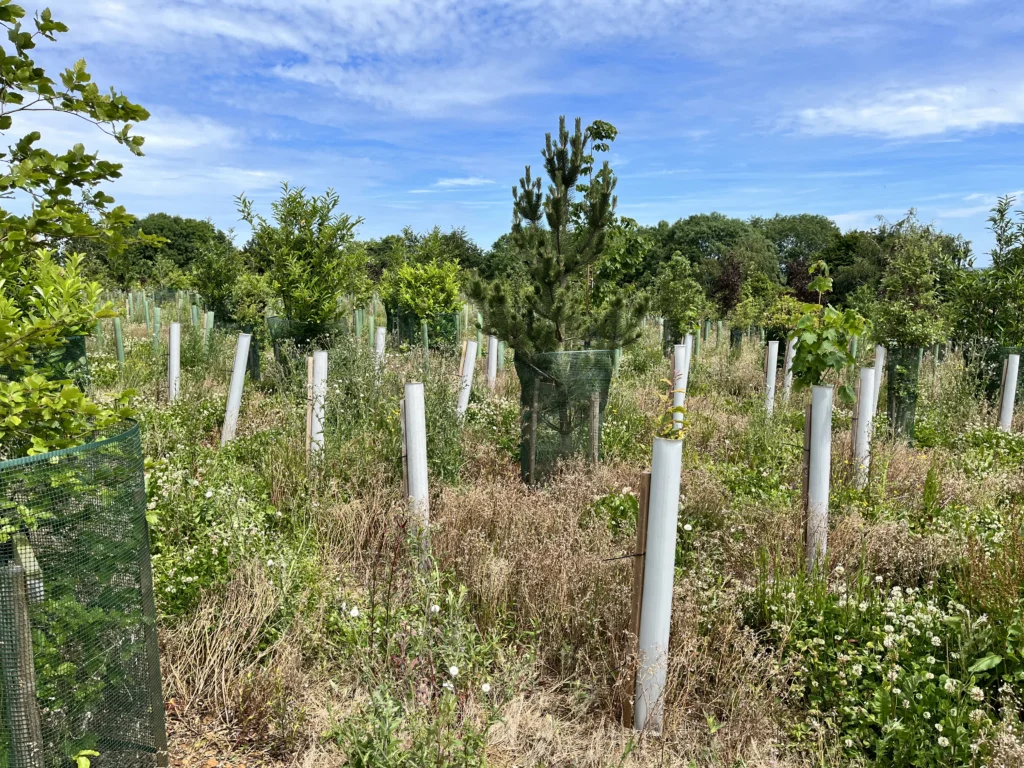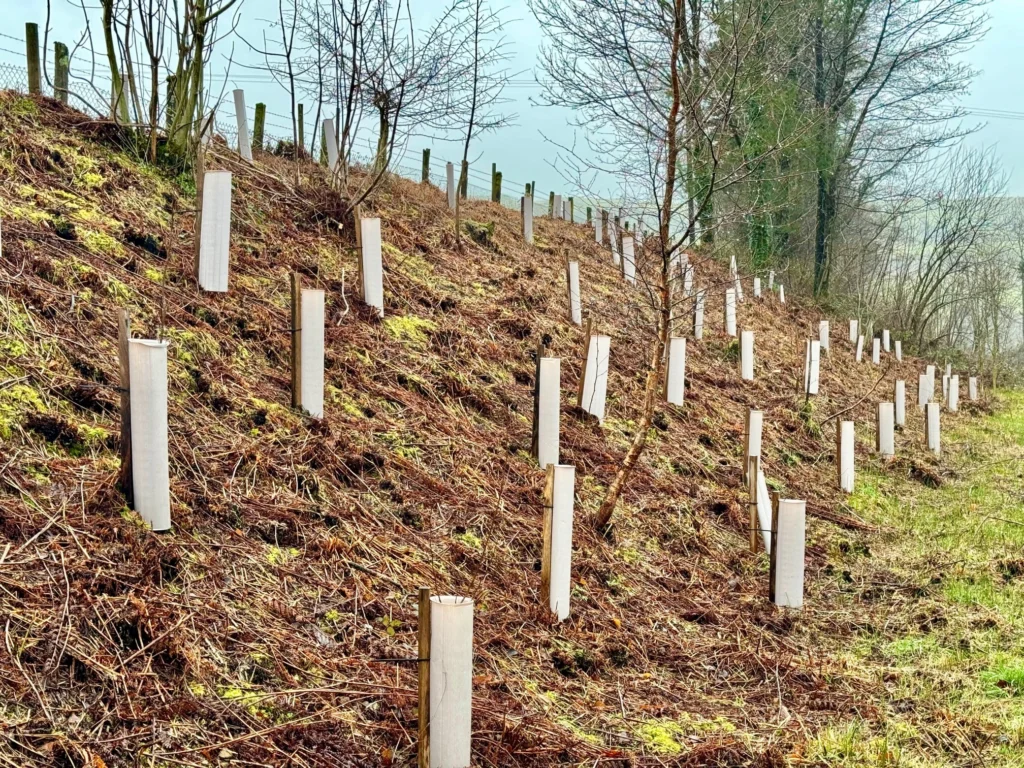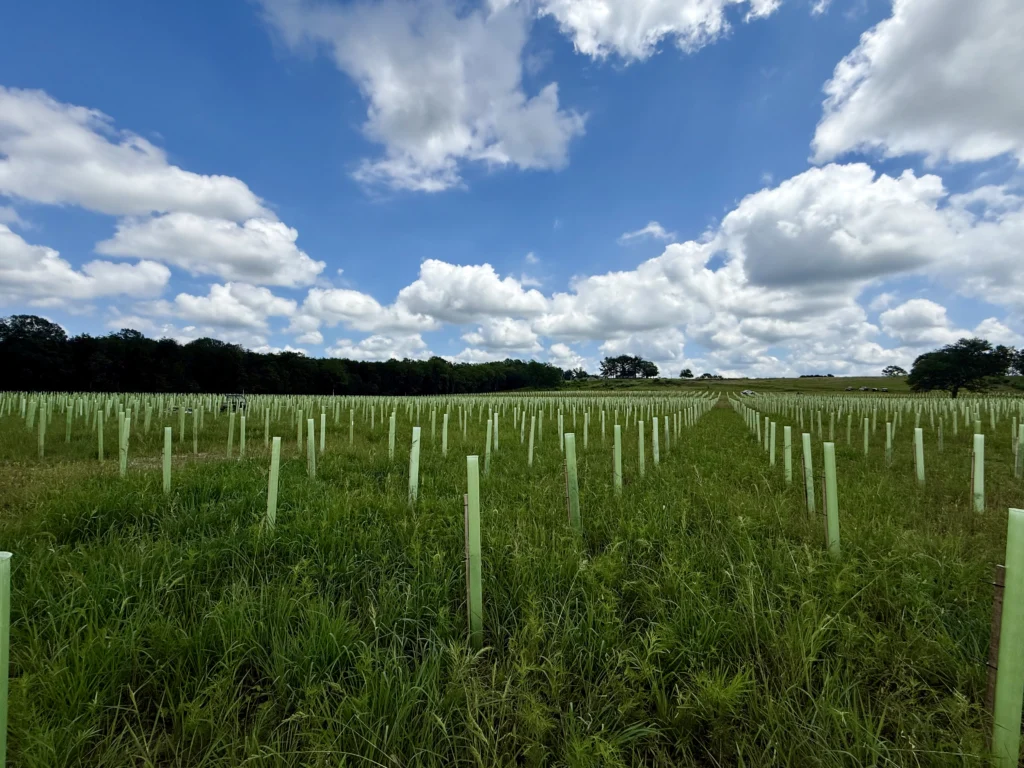
The UK wine industry has moved from cottage curiosity to recognised premium category in under twenty years. Sparkling wine from Sussex and Kent now competes with Champagne on quality, and new vineyards are being planted across southern England at a pace that has reshaped the agricultural map. For growers, contractors and consultants planning a new vineyard or expanding an existing one, vine establishment has become a serious cost line, and English wine vine guards are now a standard part of that planning, not an optional extra.
Why English wine is growing so fast
The combination of warming summers, premium pricing for traditional-method sparkling, and a maturing supplier ecosystem has pushed the UK into the top tier of new-world wine regions. WineGB data show steady annual growth in both hectares under vine and bottle production, with sparkling wine still leading the category and still-wine quality climbing on the back of better site selection. Kent, Sussex, Hampshire and Essex remain the heartland; Surrey, Suffolk and the South West are growing. The economic shift is real: a hectare of vines is now a higher-margin land use than most arable rotations across the same counties, provided establishment is done properly.
The planting risk most new growers underestimate
A new vineyard is a multi-decade investment with concentrated risk in the first three years. Young vines are vulnerable in ways that mature ones are not, and the threats specific to UK sites compound:
- Rabbit and hare pressure is high across most southern English vineyard sites. Populations are dense, and a single browsing event can set back or kill a young vine.
- Roe deer are now present across most of the South East and East Anglia. Bark stripping and rubbing damage during the rutting season is a known failure mode.
- Herbicide drift from mowing or under-vine spraying can scorch young foliage. A physical barrier around the trunk removes the risk.
- Mechanical damage from strimmers, mowers and harvesters during the establishment years is a quiet but expensive cause of vine replacement.
- Microclimate matters. A vine guard creates a warmer, more sheltered envelope around the trunk, which advances bud break and improves first-season growth on cool, exposed UK sites.
Replacing a failed vine in years two or three is far more expensive than the per-vine cost of protection once labour, replanting and the lost establishment year are accounted for.
What a UK-specification vine guard does
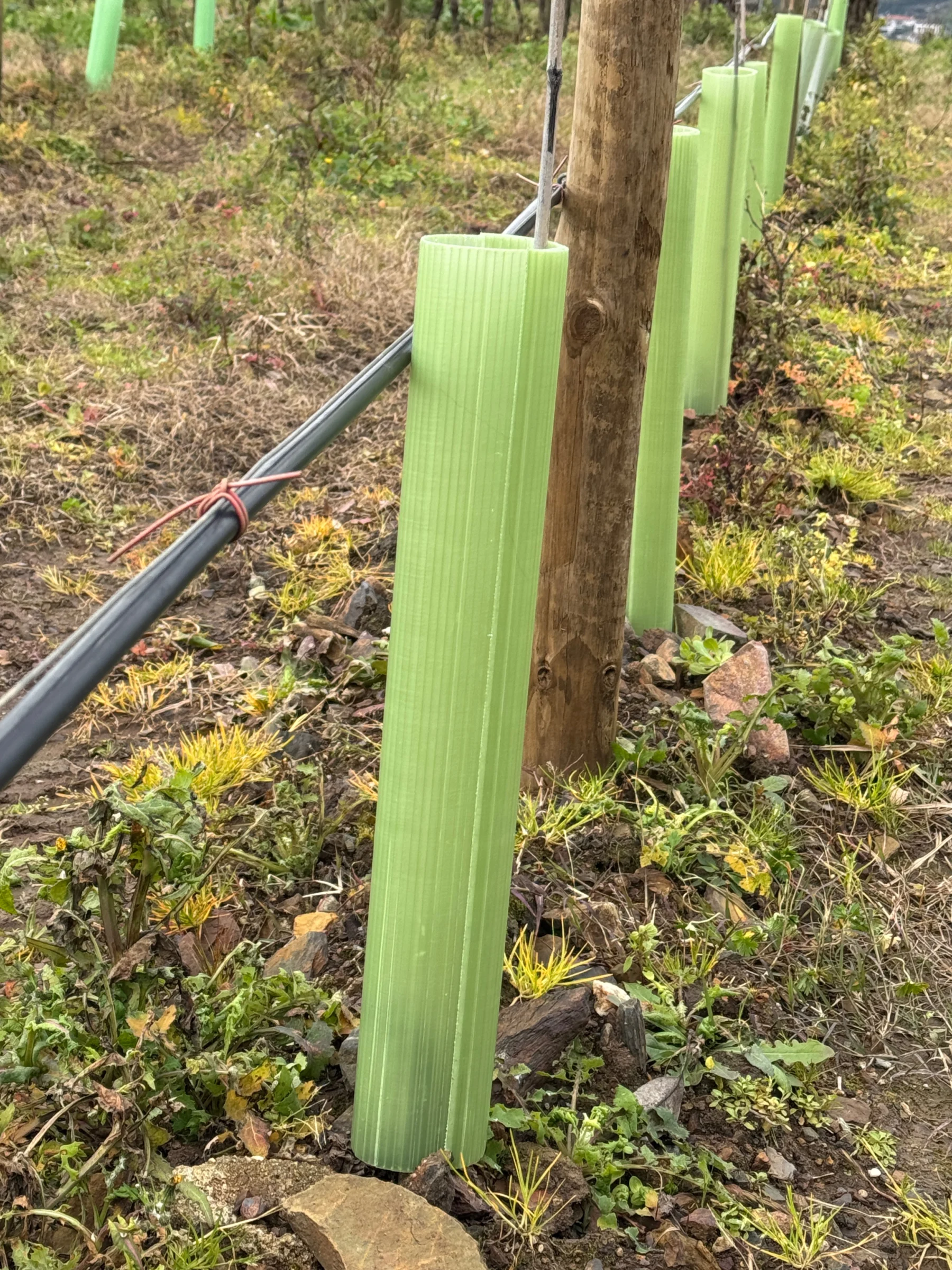
A modern vine guard does several things at once. It protects the trunk from herbivore browsing and herbicide contact, shields against mechanical damage from machinery, creates a microclimate that supports first-season growth, and gives the grower a visual marker in the row that simplifies management visits.
Specification matters. Height is matched to the dominant browsing pressure on site, taller for deer, shorter for rabbit-only sites. Material choice now includes biodegradable and recyclable options, which matter for vineyards reporting against sustainability frameworks or supplying retailers with ESG criteria. Colour and translucency affect both microclimate and how visible the guard is during canopy management.
How vine protection fits into a vineyard plan
For a planting of any commercial scale, vine guards are a planning item, not an afterthought. The right approach is to:
- Specify the guard at the same time as the rootstock and trellis system, so logistics and labour are budgeted together.
- Match guard height and design to the actual pressure on site, not the catalogue default.
- Factor in end-of-life management. Biodegradable guards remove a retrieval visit once vines are established; recyclable guards require it.
- Build vine protection into the per-vine establishment cost, not the variable contingency budget. It is a known cost, not a contingency.
This is where the contrast with arable thinking matters. A vineyard is not a one-year crop; the planning horizon is twenty to thirty years, and decisions made in year one shape the cost structure of the whole vineyard’s life.
The Vigilis range for English vineyards
Vigilis supplies the UK and European viticulture market with a full vine protection range: rigid vine guards in standard and tall heights, mesh-vented options, Viti Wrap flexible wraps, and soil-biodegradable formats for sustainability-led estates. For project specification, including pricing for whole-vineyard orders, find your local Vigilis distributor, who can quote against your row count, planting date and target establishment specification. For more on the wider application, see our viticulture page.