Mesh Shelters
Open-structured shelters balancing protection with airflow for vigorous, healthy establishment.
Mesh Shelters Products
Which size do I need?
Match your site's predation pressure to the right guard height
By predation height
Rabbits
Standard UK planting requirement
Hares
Open farmland & upland sites
Roe Deer
Woodland edge & upland sites
Fallow Deer
Lowland estates & parkland
Red & Sika Deer
Highland & high-pressure sites
Mesh Shelters are used in
Explore by application type
Frequently Asked Questions
When should I use a mesh guard instead of a solid tube shelter?
What animals do mesh guards protect against?
What height mesh guard do I need?
Are mesh guards suitable for agroforestry and estate planting?
What is the Vigilis Bio Mesh Guard?
Mesh Guards: Open-Sided Tree Protection for Woodland, Agroforestry, and Estate Planting
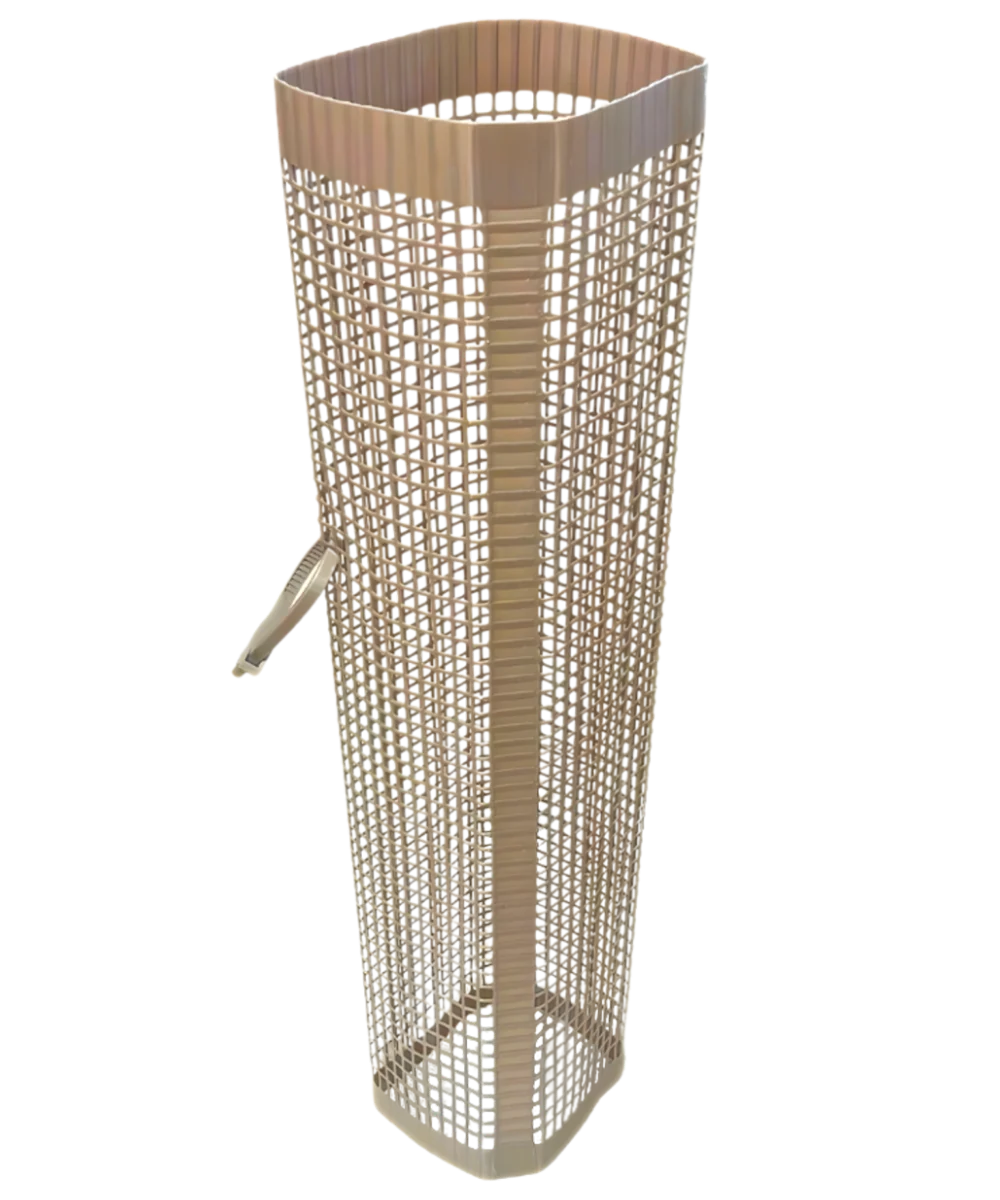
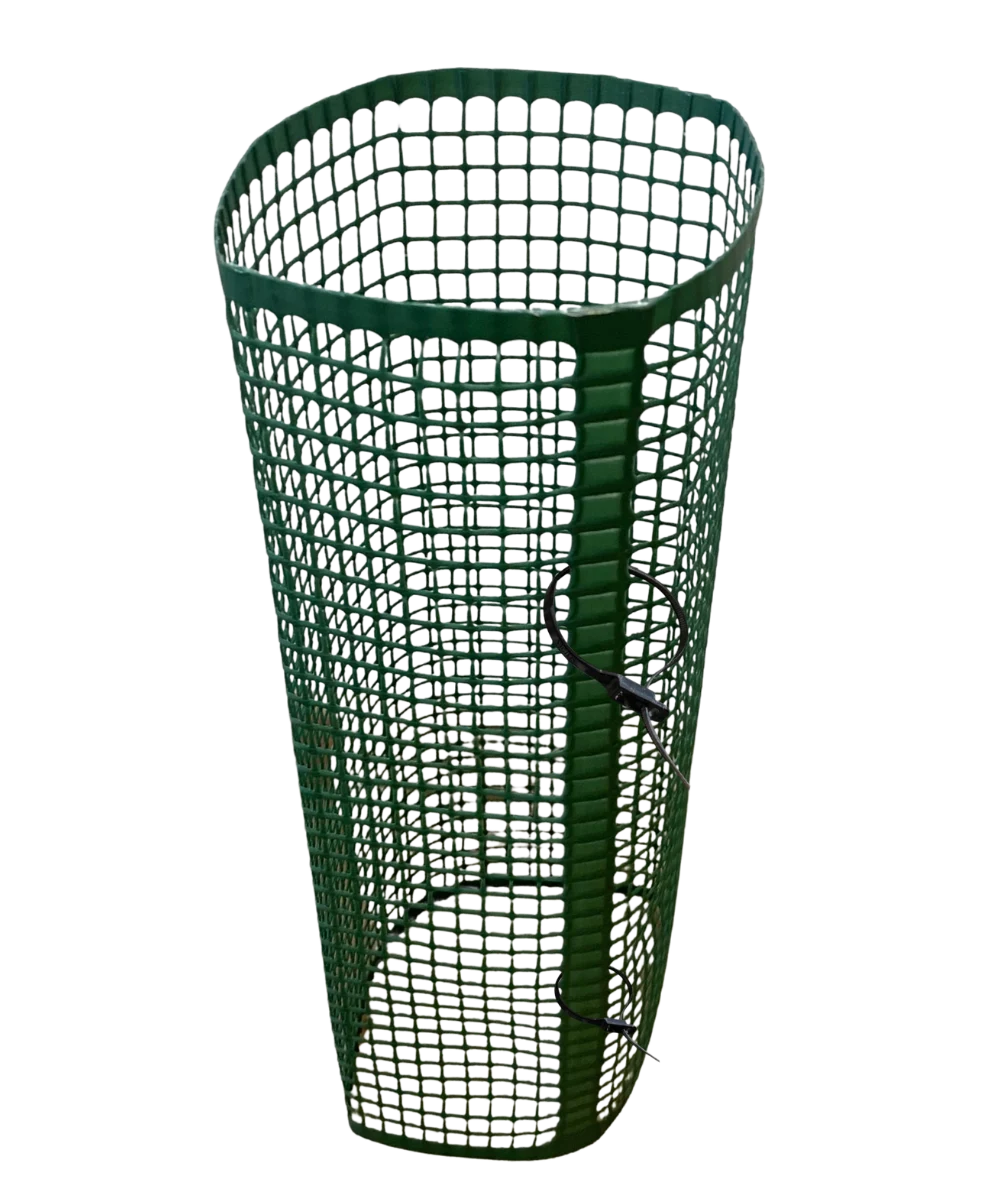
Vigilis Mesh Guards provide a robust alternative to solid tube shelters, combining effective deer and rabbit protection with the open, airy construction that many tree species prefer. The mesh allows free airflow and lateral light to reach the growing stem, encouraging a more wind-hardened, naturally shaped tree than you typically get from tube-sheltered growth. They are equally at home in large-scale forestry schemes, agroforestry systems, estate parkland, and rewilding projects.
Mesh Guard vs Tube Shelter: Which Is Right for Your Site?
Tube shelters deliver faster early growth through the microclimate effect — raised temperature and CO₂ inside the tube accelerate development, which is especially valuable in cold or exposed upland sites. Mesh guards are the better choice where airflow is a priority: for conifers, hedgerow species, and trees in humid lowland settings prone to fungal disease. They also provide greater protection against antler rub and bark-stripping than solid tubes, making them effective on sites with high deer pressure of that type. The Forestry Commission’s technical guide to tree shelters and guards covers the evidence base for both approaches.
Biodegradable and Recyclable Options
The Vigilis Mesh Guard is made from UV-stabilised recyclable polypropylene and can be returned through our Protect, Collect, Recycle scheme at end of life. The Vigilis Bio Mesh Guard is fully soil biodegradable and plastic-free — it degrades in situ with no collection required, reducing the whole-life cost and management burden for remote or inaccessible sites.
Applications and Where to Buy
Mesh guards are used across commercial forestry, hedgerow creation, rewilding, agroforestry, parkland, and amenity planting. To find your nearest Vigilis stockist, visit our distributor finder, or contact the Vigilis team for project advice and volume pricing.