Agroforestry
Vigilis tree shelters protect newly planted trees in silvoarable and silvopasture agroforestry systems from livestock, deer and voles, securing your grant scheme investment from day one.
Agroforestry is one of the fastest-growing land management practices globally, with farm tree planting expanding rapidly across the UK, USA and Europe backed by government funding and carbon market incentives. Establishing trees within productive farmland means navigating multiple threats simultaneously: grazing livestock, deer, rabbits and voles are often all present on the same site. Vigilis supplies tree guards, mesh shelters and voleguards suited to silvoarable and silvopasture systems, designed to withstand farm machinery, livestock contact and the rigours of agricultural environments. Our team understands the practical demands of working farms and can help you specify products that meet your regional grant scheme requirements.
Agroforestry Products
Browse the Vigilis range recommended for agroforestry projects — tree shelters, guards and accessories engineered for effective establishment and long-term browse protection.
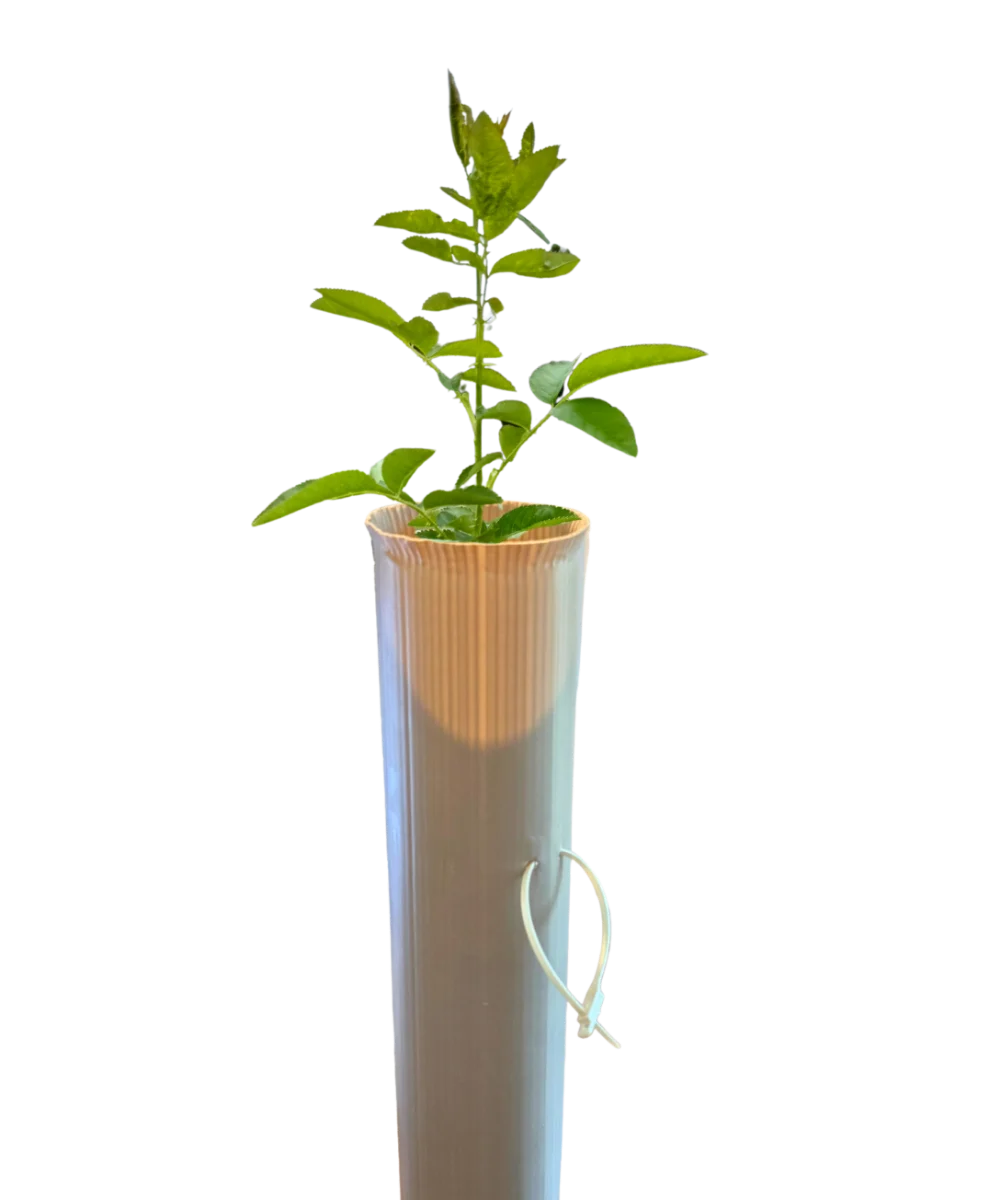
Vigilis Bio Tree Shelter
Soil Biodegradable
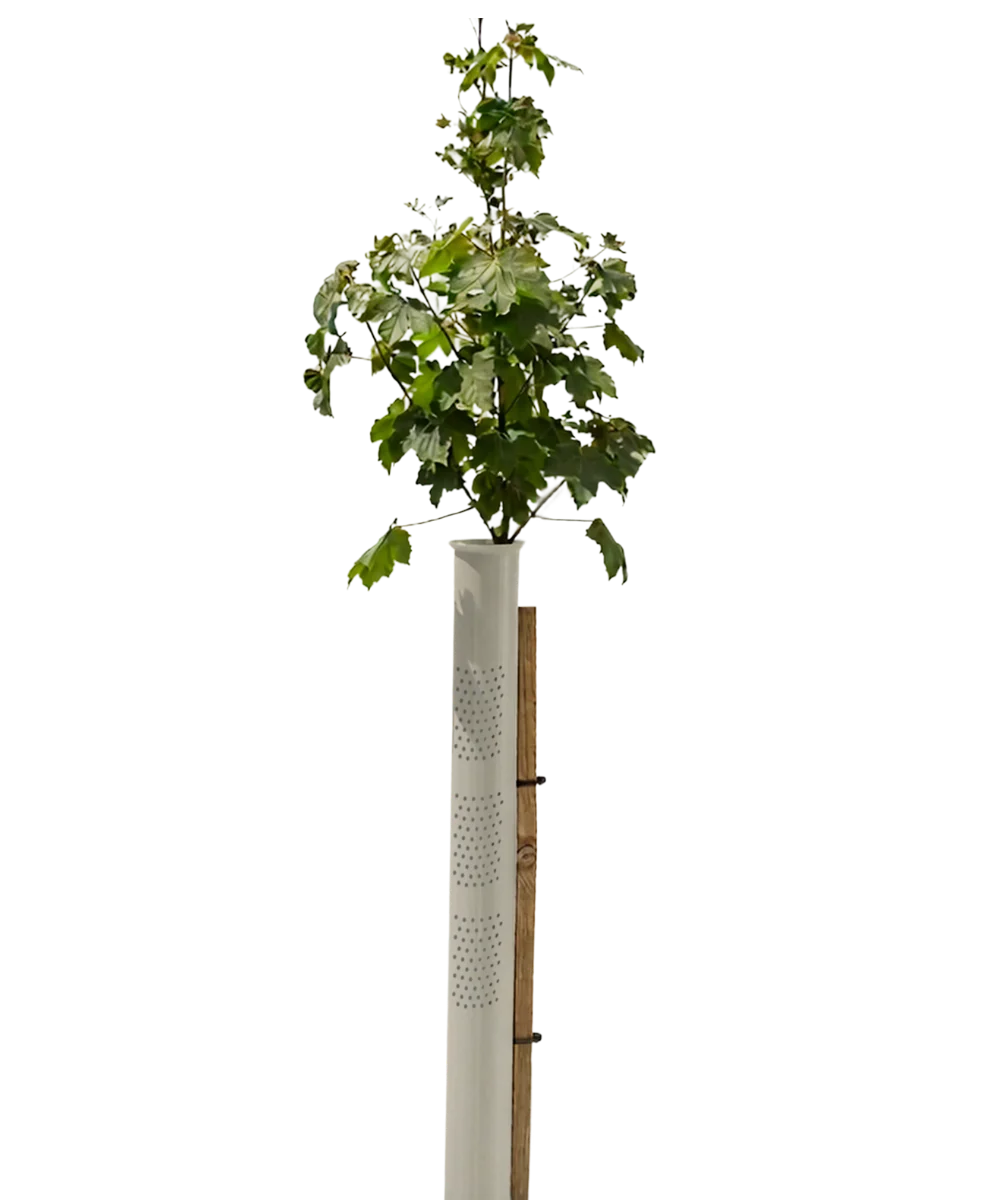
Vigilis Bio VentAir Tree Shelter
Ventilated Soil Biodegradable Protection
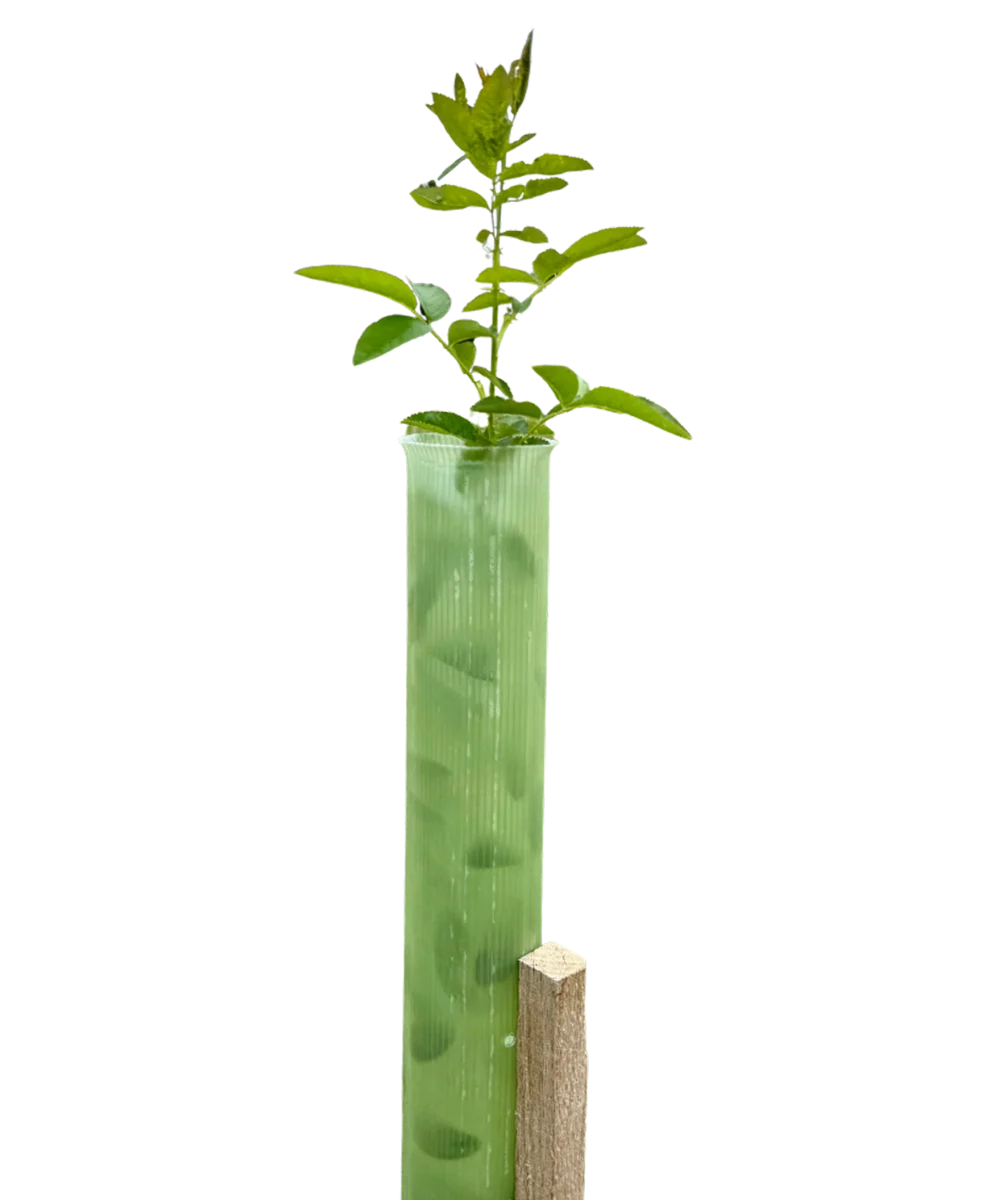
Vigilis Tree Shelter
Recyclable & Collectable
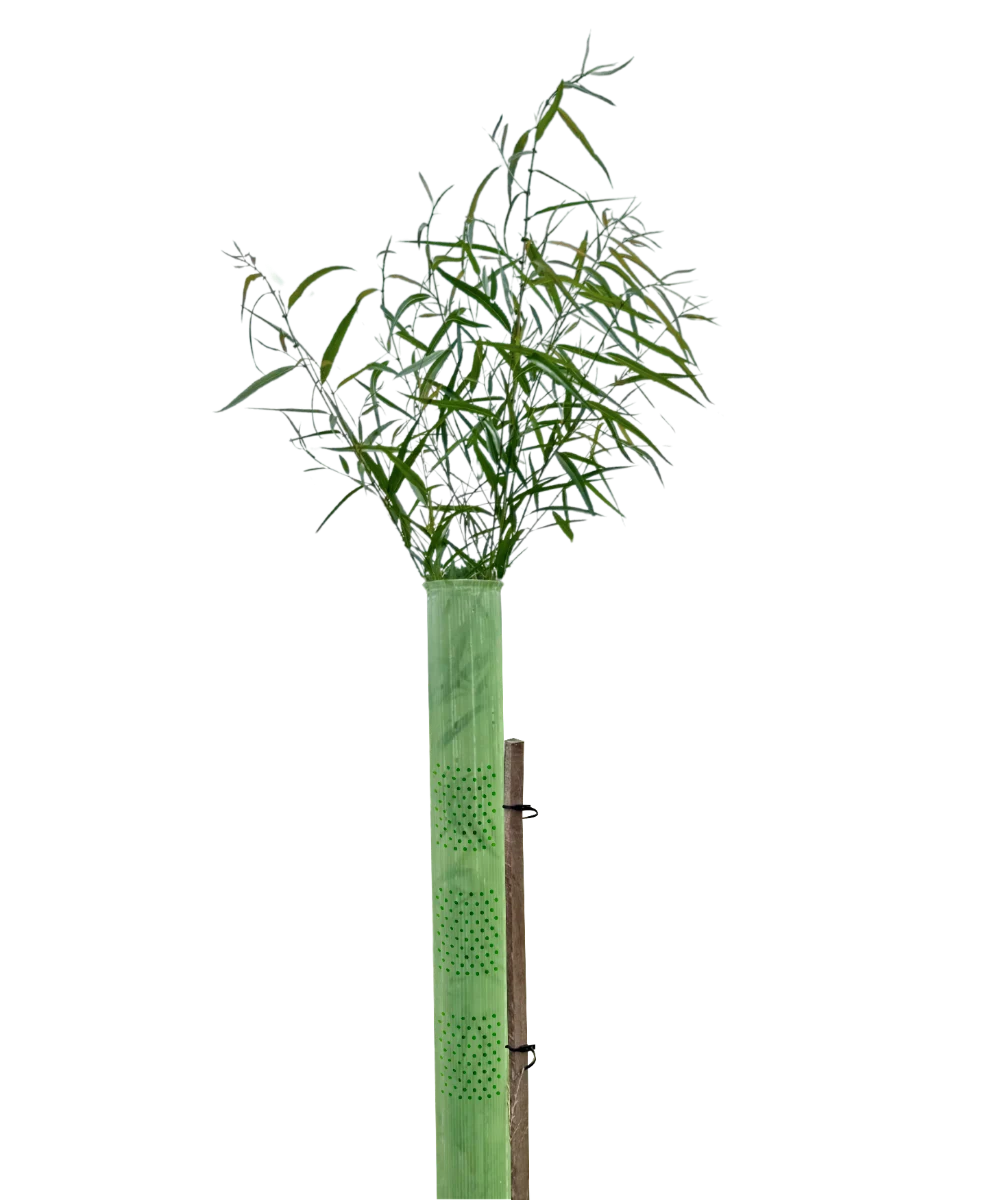
Vigilis VentAir Tree Shelter
Recyclable & Collectable
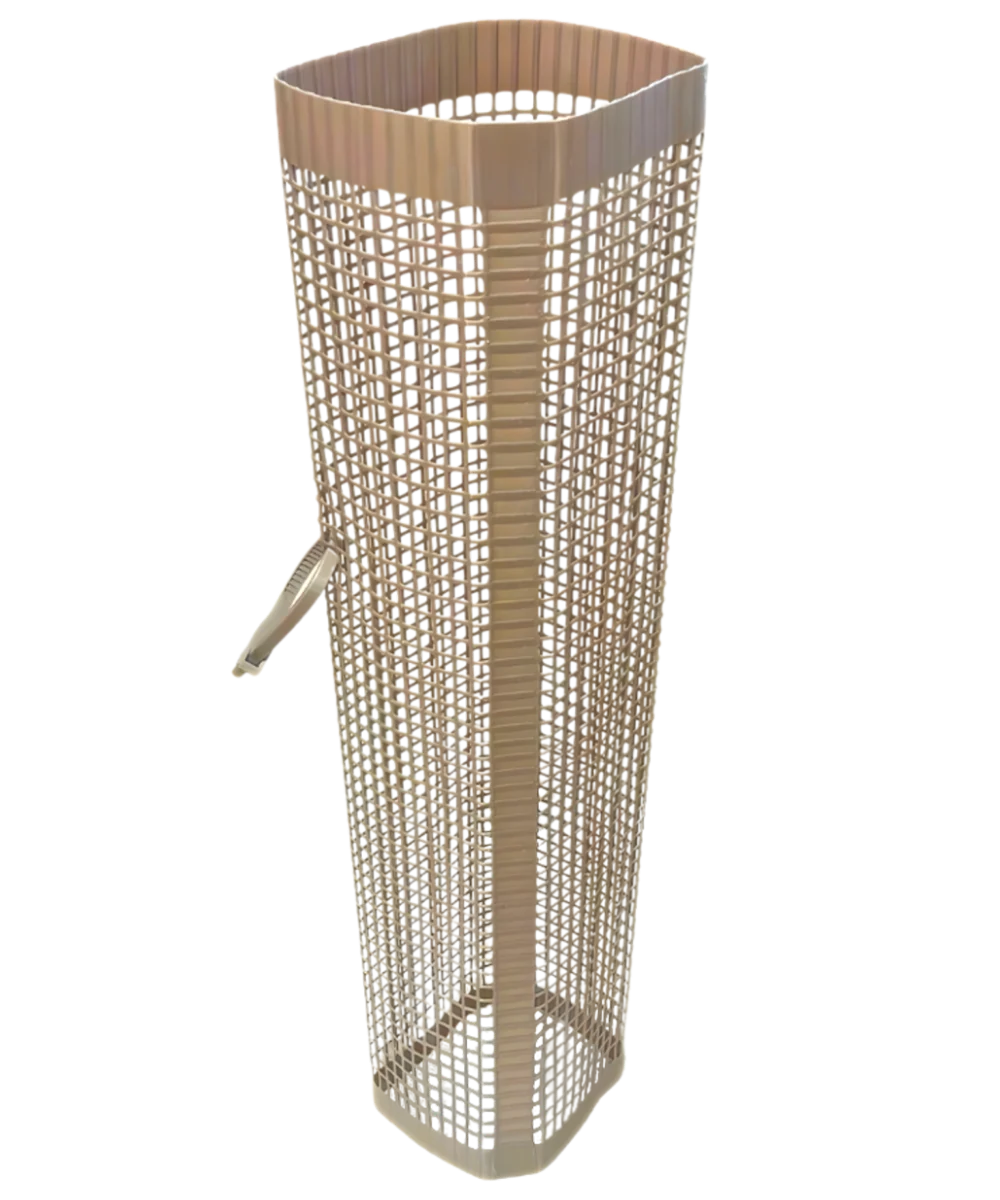
Vigilis Bio Mesh Guard
Soil Biodegradable
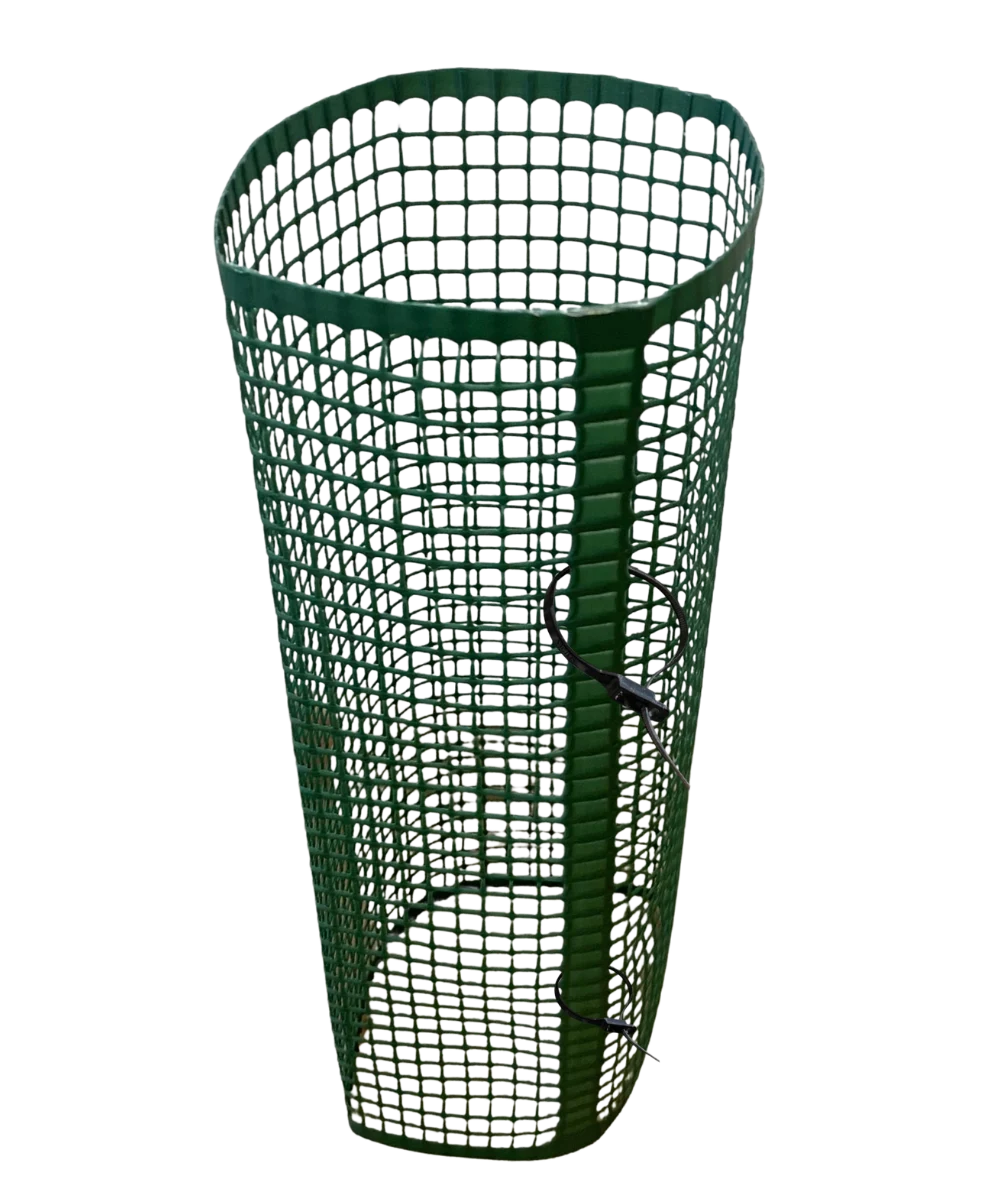
Vigilis Mesh Guard
Recyclable & Collectable
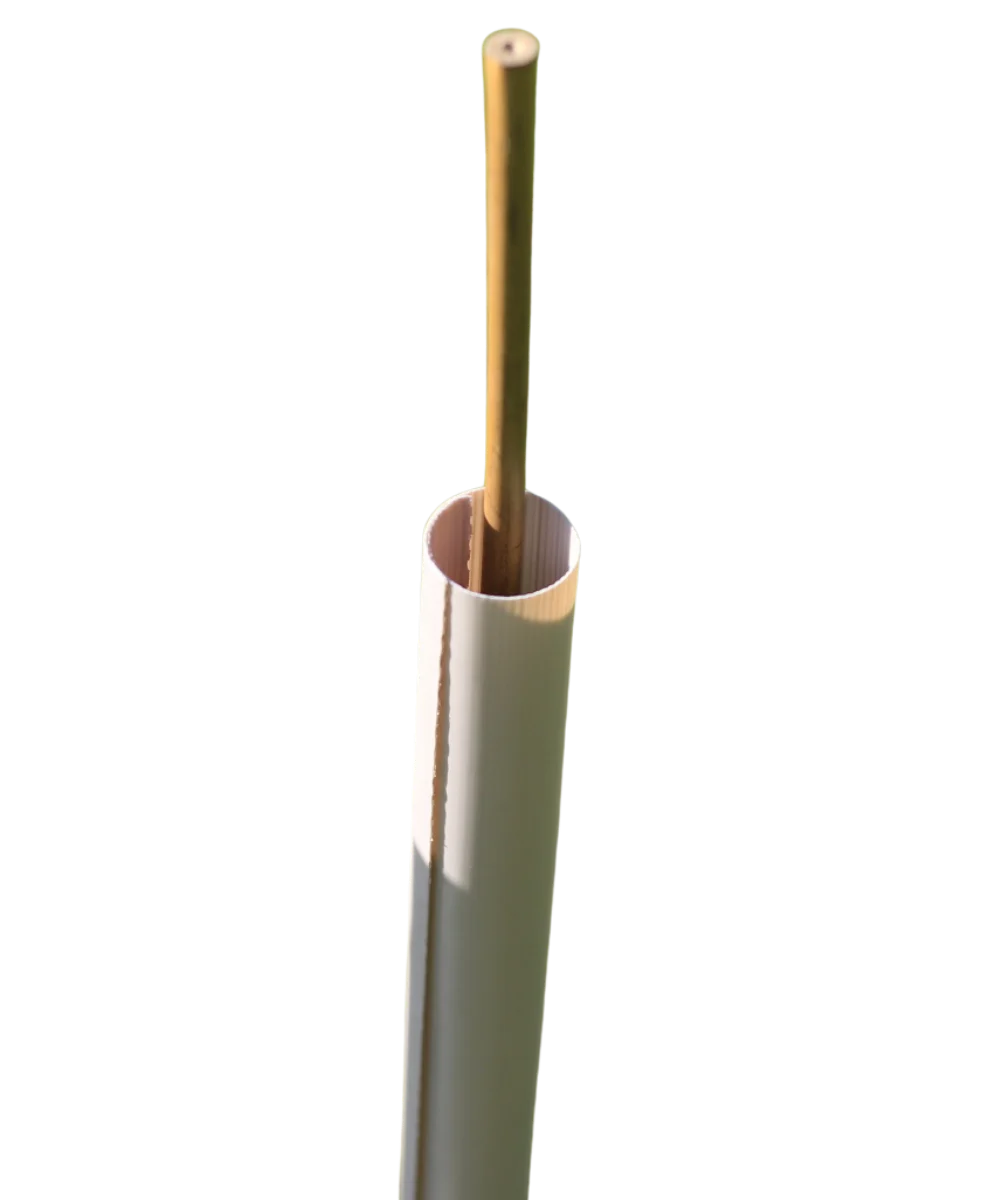
Vigilis Bio Wrap
Soil Biodegradable
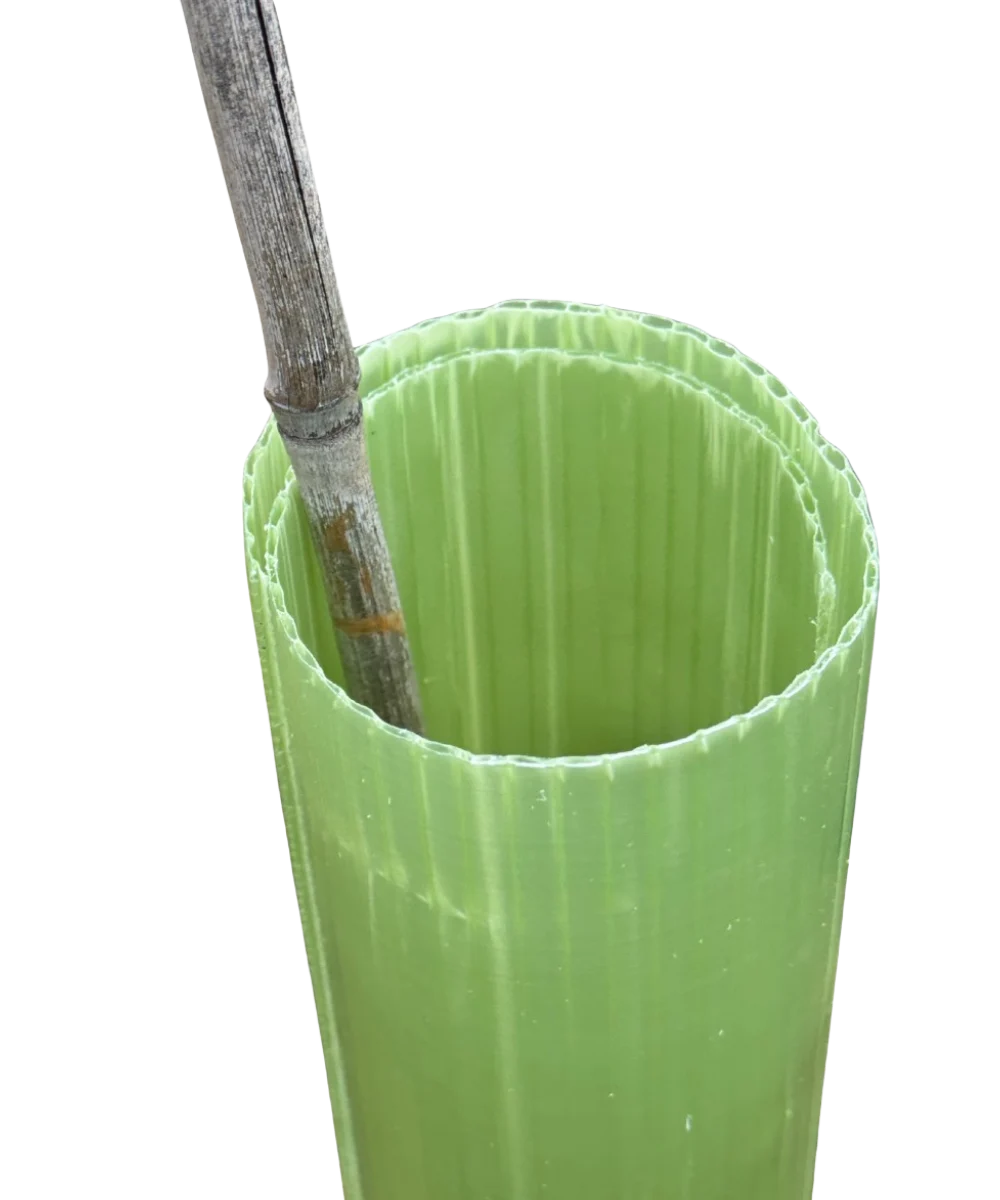
Vigilis Wrap
Recyclable & Collectable
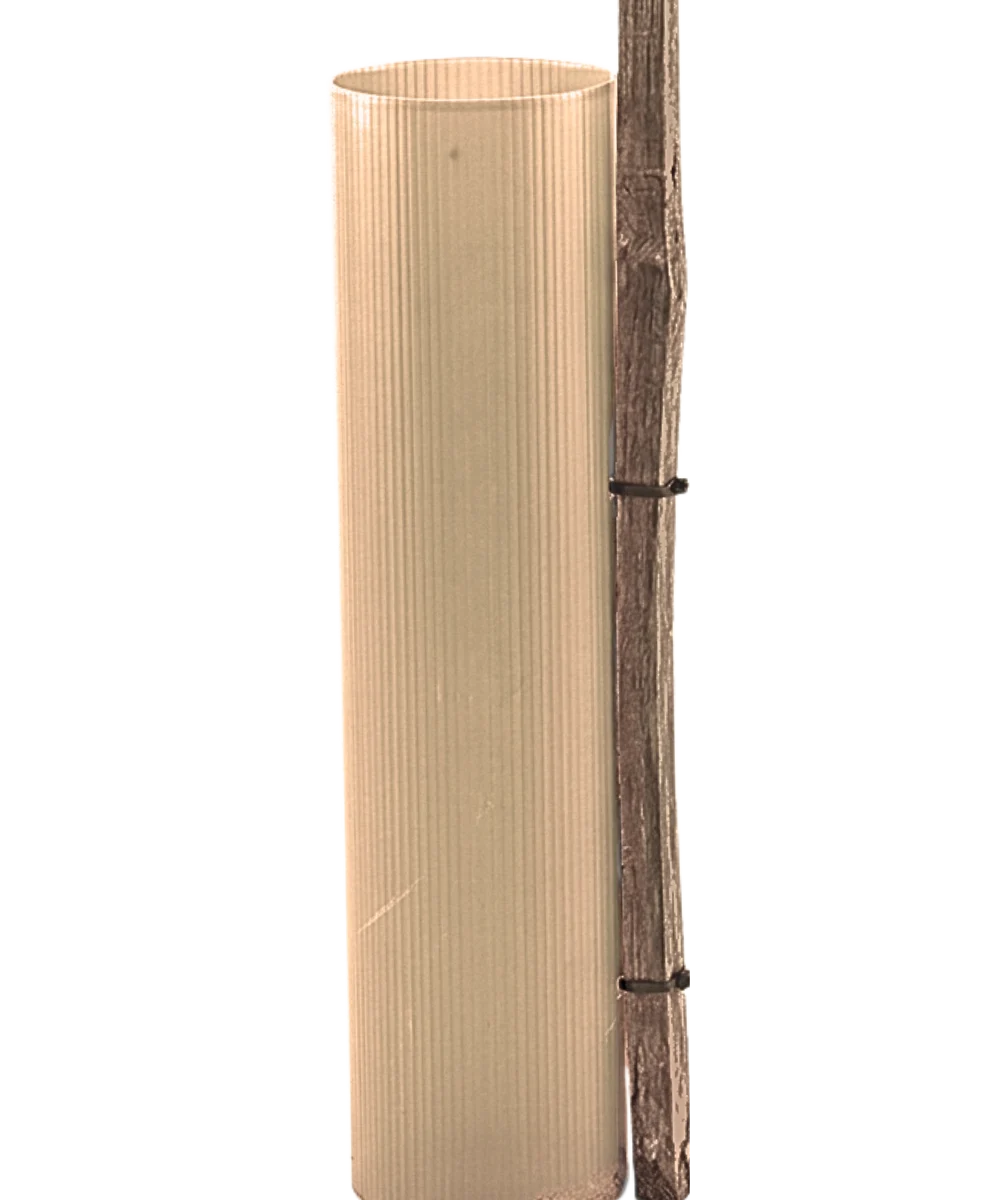
Vigilis Bio Shrub Shelter
Soil Biodegradable
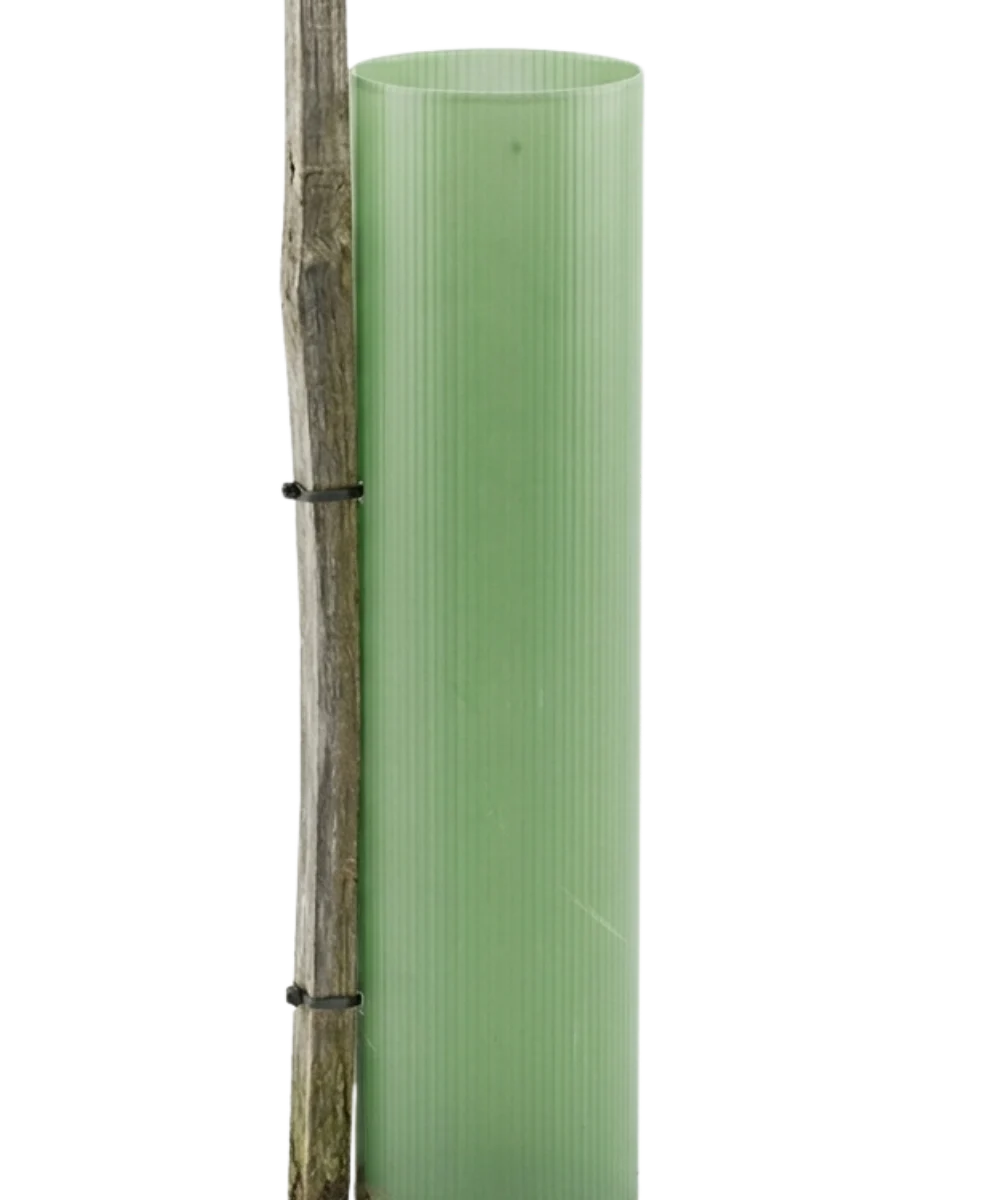
Vigilis Shrub Shelter
Recyclable & Collectable
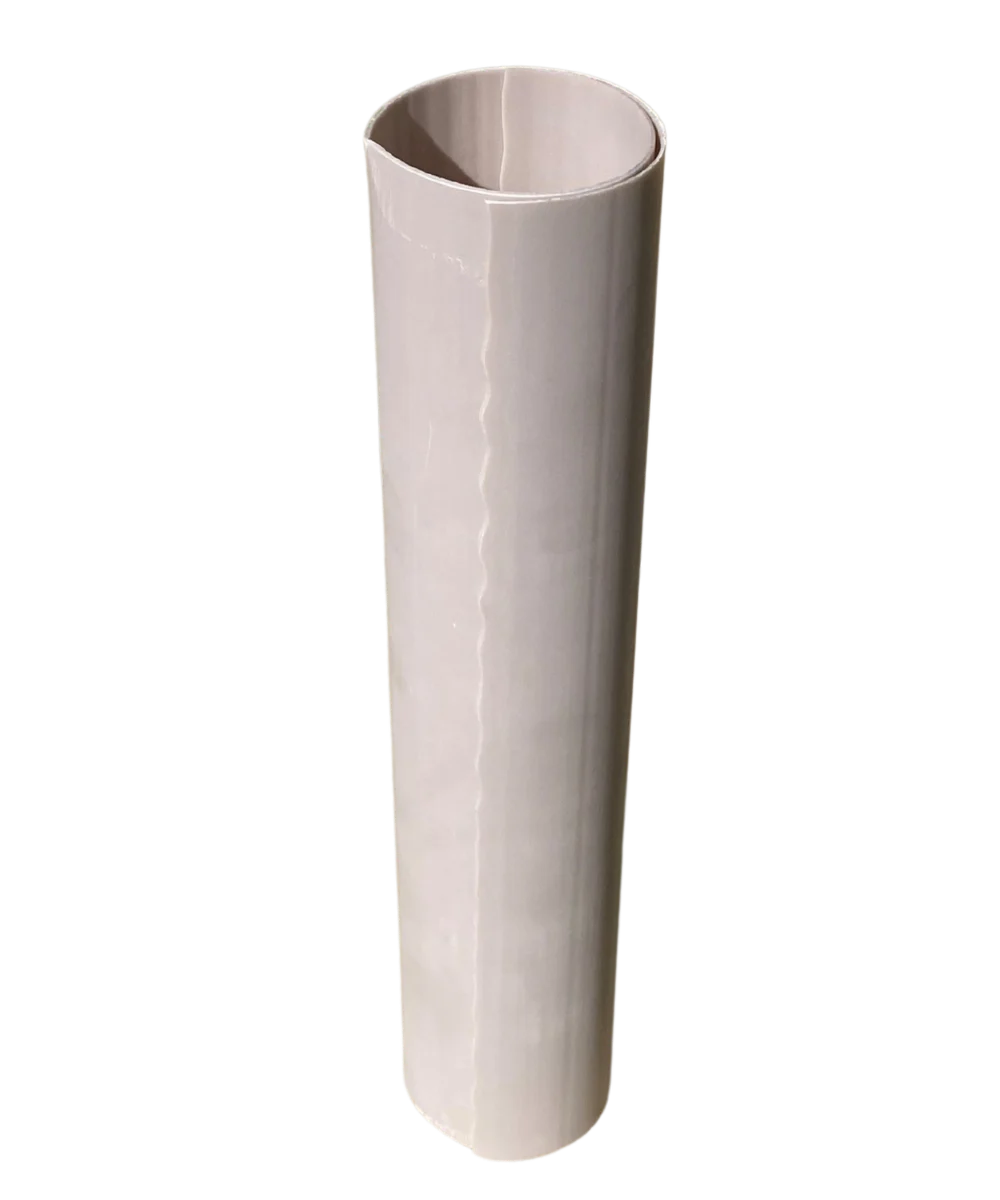
Vigilis Bio Voleguard
Soil Biodegradable
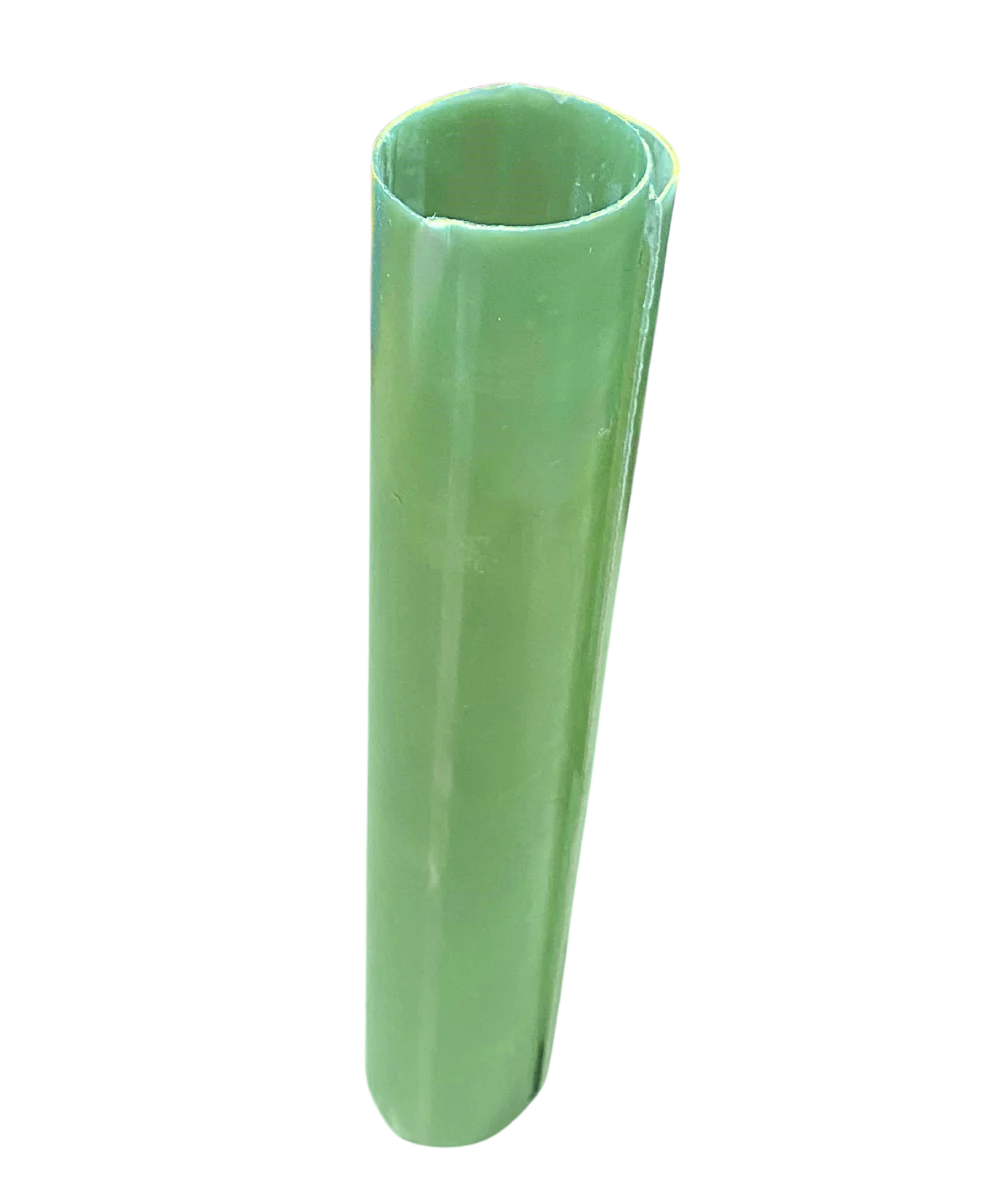
Vigilis Voleguard
Recyclable & Collectable
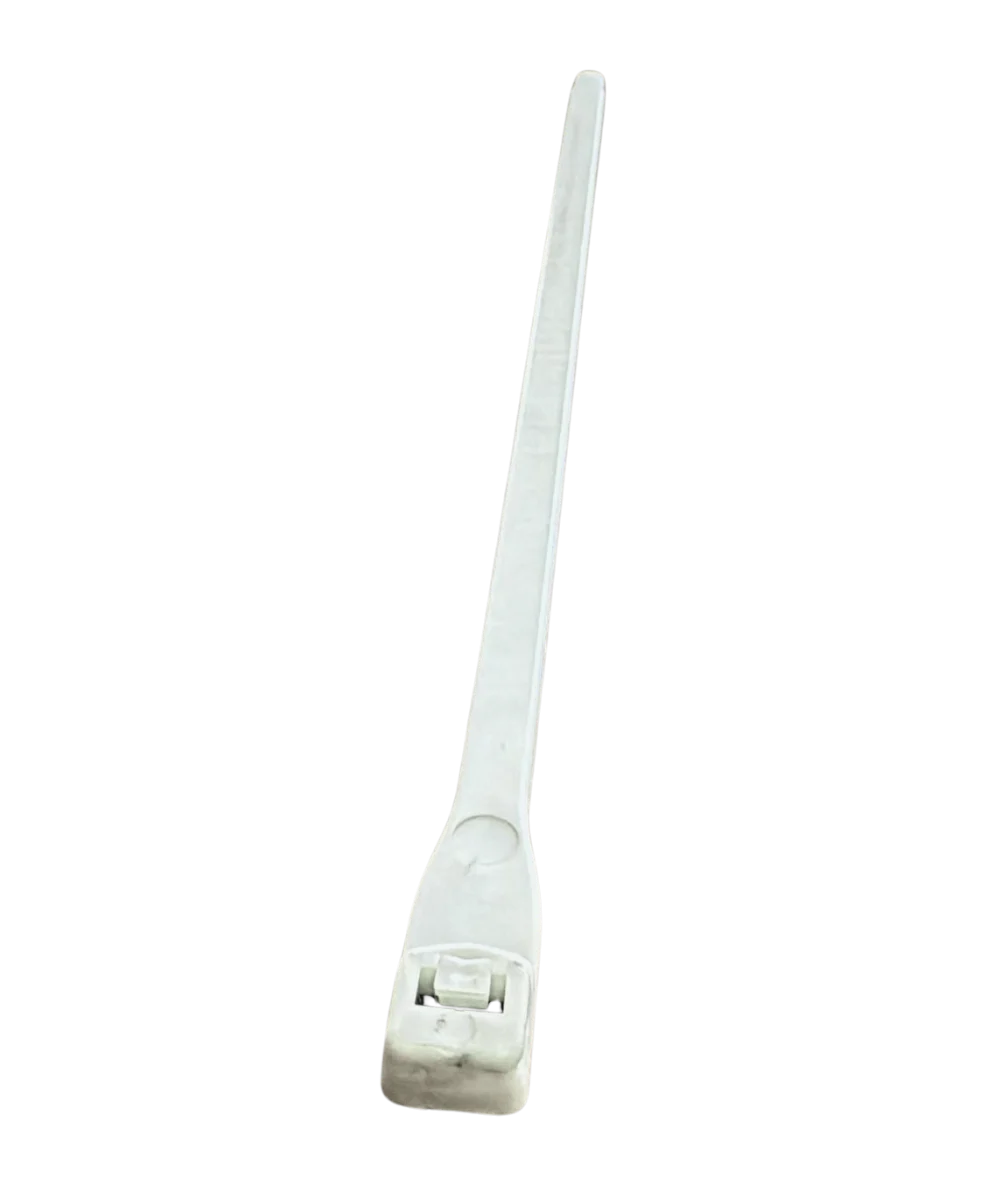
Vigilis BioTie
Biodegradable cable ties for tree guards and shelters
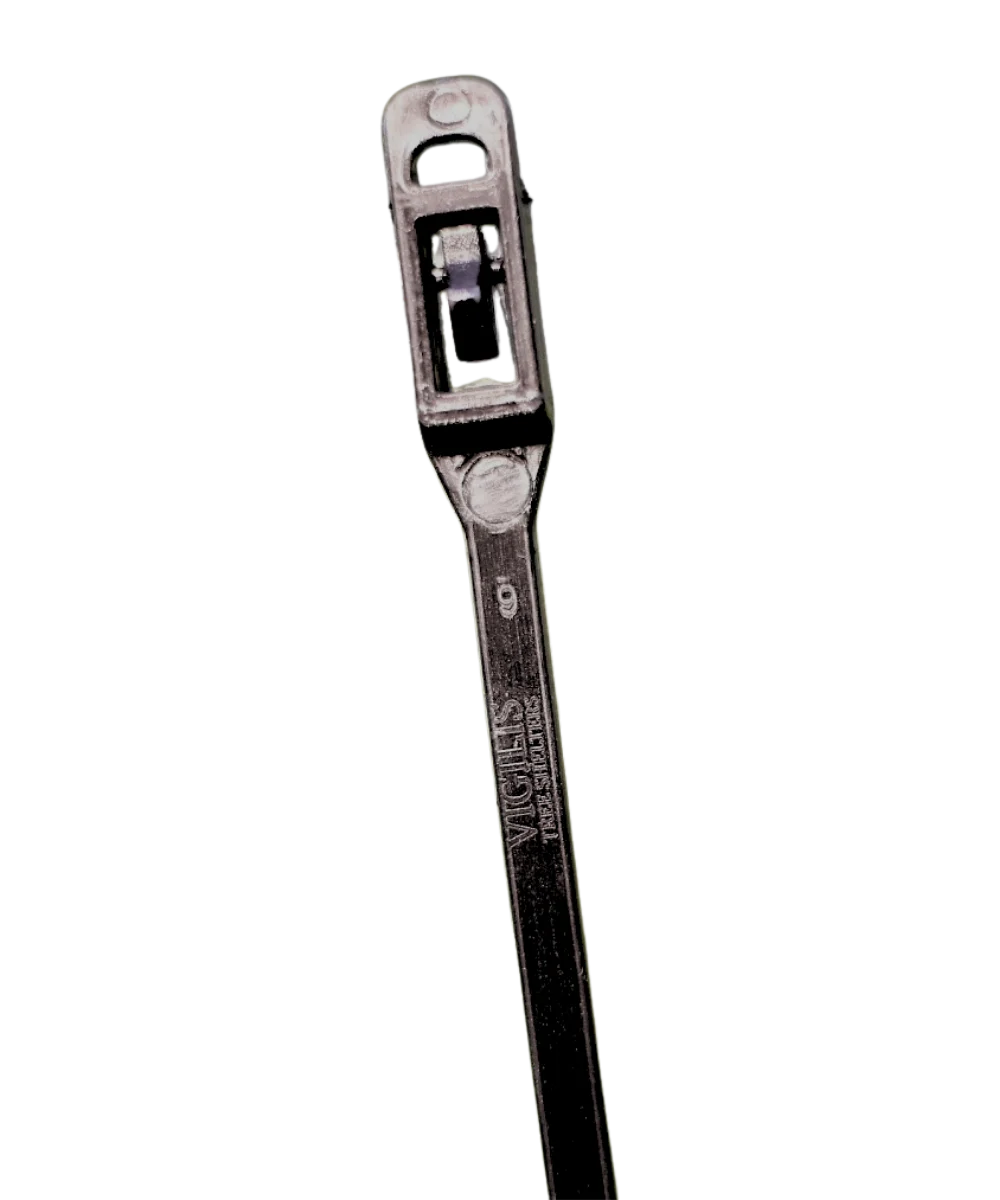
Vigilis Cable Ties
Releasable cable ties for tree guards and shelters
Frequently Asked Questions
What tree protection do I need for a silvopasture system with livestock?
In silvopasture systems where livestock graze between tree rows, robust individual tree protection is essential. Our twin-walled tree guards on a heavy-gauge stake will withstand contact from cattle; for sheep systems, a 1.2m guard prevents browsing over the top of shorter shelters. Where deer also pose a risk alongside livestock, mesh shelters provide a stronger physical barrier with high visibility. AHDB agroforestry guidance covers species selection and tree spacing for UK silvopasture systems; USDA’s National Agroforestry Center provides equivalent resources for US producers.
Are tree guards eligible as capital items under agroforestry grant schemes?
In the UK, tree guards are listed capital items under Countryside Stewardship agroforestry options AG3 (silvoarable) and AG4 (silvopasture), reimbursed per unit at published grant rates. In the USA, USDA NRCS EQIP and CSP programs provide cost-share funding for agroforestry tree protection. We can provide product specifications and per-unit costs in the format required by your scheme adviser. Contact us with your scheme reference for a quote. For UK rates, see the GOV.UK agroforestry funding guidance.
Do I need voleguards for trees in an agroforestry system?
Field vole damage — specifically girdling of root collars during winter — is a significant and often underestimated cause of agroforestry establishment failure on grassland sites worldwide. Voles gnaw through bark at ground level, killing the tree without visible above-ground damage until spring. If your land carries high vole populations (common on permanent pasture), we recommend pairing standard tree guards with our voleguards. This is especially important for thin-barked species such as cherry, alder and fruit trees common in silvopasture and food-forest systems.
How do tree shelters protect against herbicide spraying in agroforestry row systems?
In silvoarable systems, inter-row weed control typically involves boom sprayer herbicide applications that can damage unprotected tree foliage and stems. Solid-walled tree guards create a complete physical barrier against herbicide drift, allowing normal weed management in the row without crop damage. Vented designs allow airflow but may permit some spray ingress — solid-walled guards are recommended where chemical use in the tree row is planned. Shelters also allow closer tractor approach during cultivation provided guard height and stake placement are factored into row spacing at design stage.
How many trees per hectare are typically planted in agroforestry systems?
Silvoarable systems typically plant 50–400 trees per hectare depending on system design and target rotation. Silvopasture systems use lower densities — often 20–100 trees per hectare — to maintain adequate light levels for grazing. At these densities, individual tree protection is usually more cost-effective than block deer fencing. Our tree guards and mesh shelters are available in volume quantities matched to typical scheme scales across the UK, USA and Europe. Request a quote with your tree count and we will provide pricing and lead times.
Can tree guards withstand farm machinery operations in agroforestry systems?
Tree guards on farm agroforestry sites need to withstand incidental contact from tractors and implements during inter-row cultivation, particularly in year one. We recommend our twin-walled tree guards staked at 45–60cm depth for sites with regular machinery operations. Stakes should be driven at sufficient depth before planting to resist lateral movement from machinery vibration. For lower-intervention systems where trees are in permanent rows set back from cultivation passes, lighter mesh shelters may be appropriate. Our team can advise on stake specification for your soil type and machinery.
Ready to get started?
Talk to our team
We'll help you choose the right product and connect you with your nearest distributor.