Tree Guards
Robust protection for individual saplings against browse, weather, and mechanical damage.
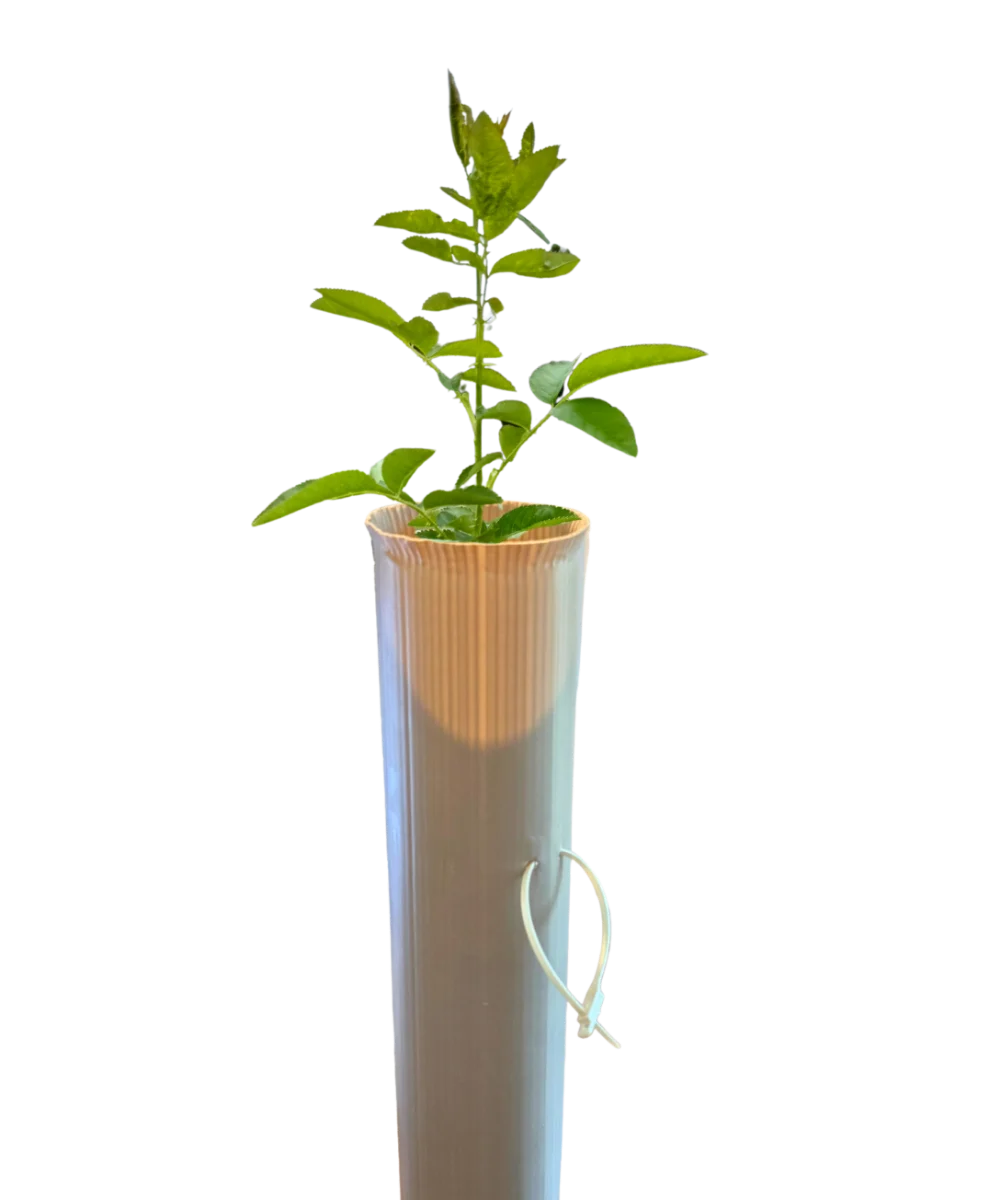
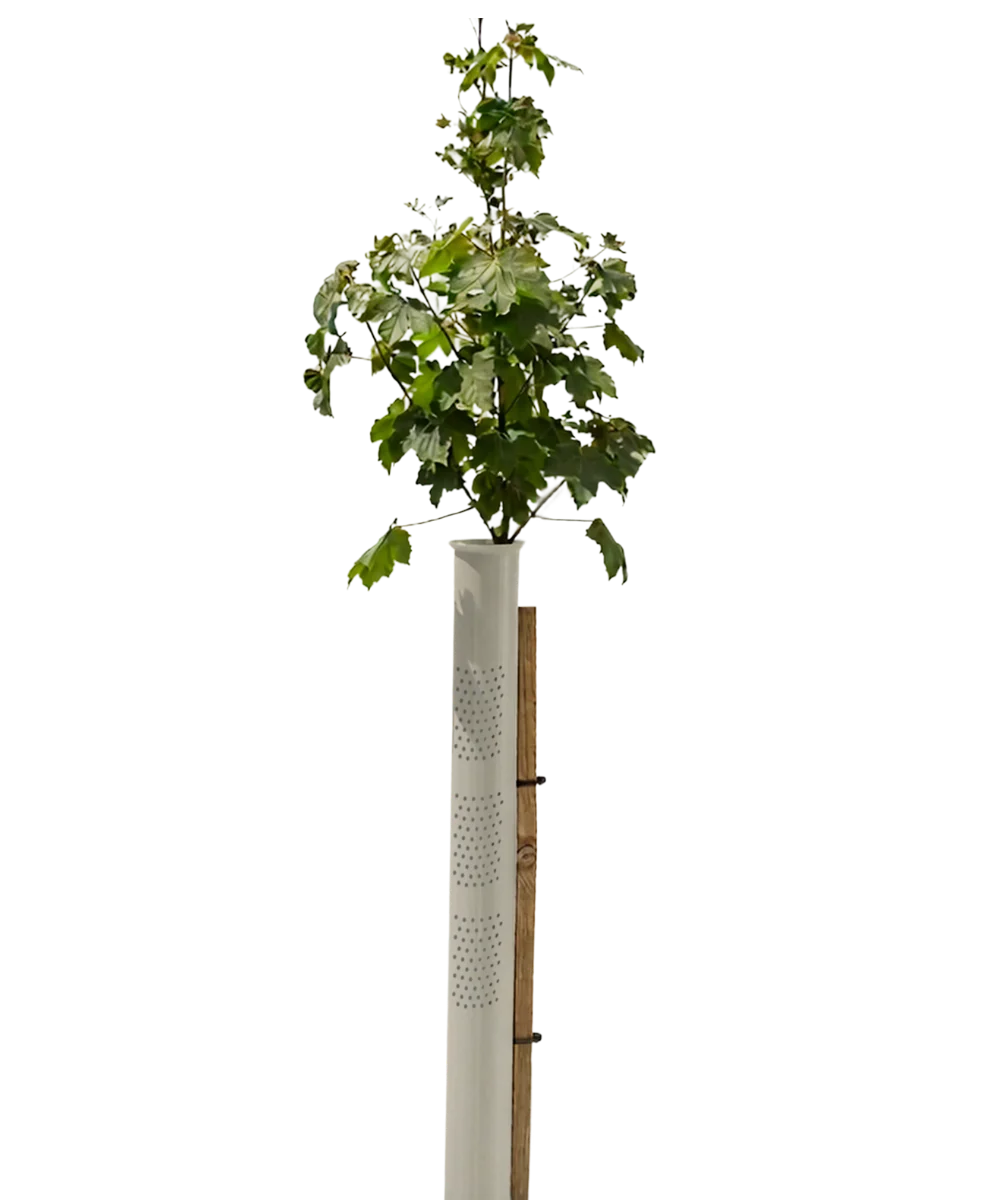
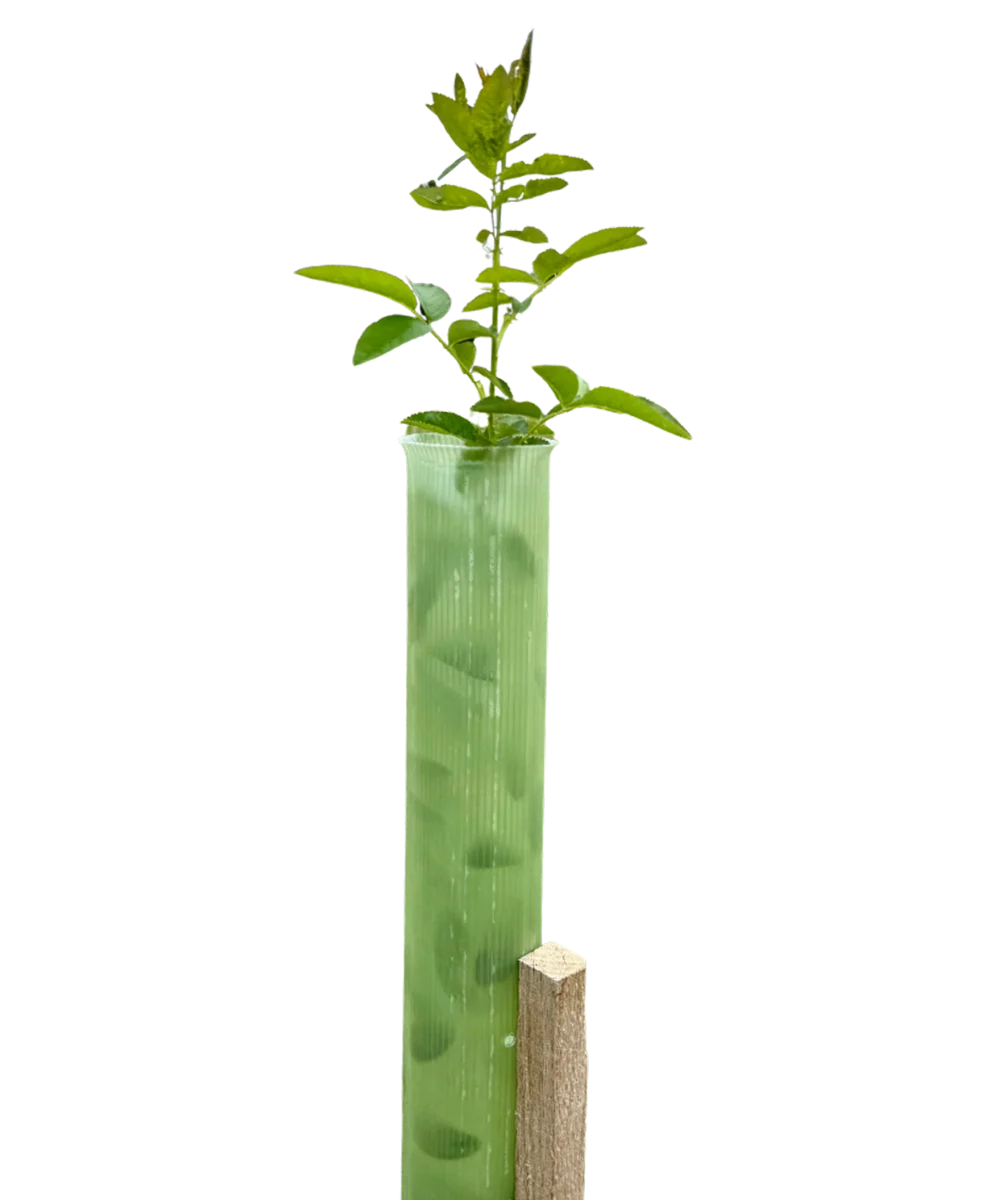
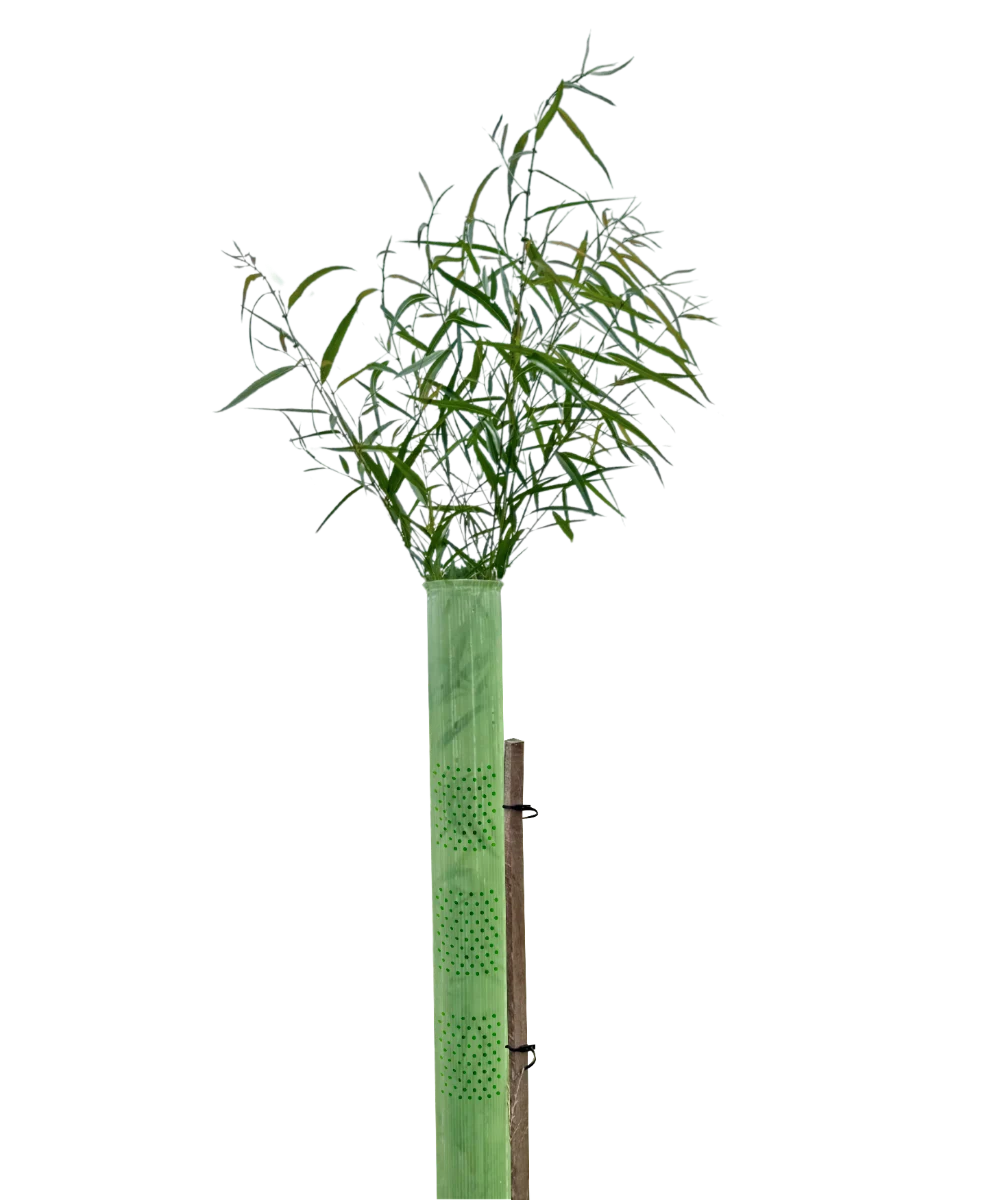
Tree Guards Products
Which height do I need?
Match your site's predation pressure to the right guard height
Rabbits
Standard UK planting requirement
Hares
Open farmland & upland sites
Roe Deer
Woodland edge & upland sites
Fallow Deer
Lowland estates & parkland
Red & Sika Deer
Highland & high-pressure sites
Tree Guards are used in
Explore by application type
Frequently Asked Questions
What height tree shelter do I need?
What's the difference between a biodegradable and recyclable tree shelter?
Do tree shelters need a stake?
When should a tree shelter be removed?
Are tree shelters suitable for rewilding projects?
Can tree shelters be used in agroforestry systems?
Tree Shelters: Protection for Every Planting Scheme
Vigilis tree shelters protect young trees throughout the critical establishment phase, guarding against deer browse, rabbit grazing, vole damage, and livestock pressure. A well-fitted shelter improves both survival rates and early growth — research consistently shows sheltered trees outperform unprotected whips in the first five years. Our range is manufactured in the UK and is available in recyclable polypropylene and fully soil-biodegradable formats, giving you a choice that fits both your site requirements and your sustainability commitments.
Choosing the Right Shelter Height
Shelter height should always be matched to the largest browsing species on your site. Rabbits and hares are managed with 0.6 m–0.75 m shelters; roe deer and muntjac require 1.2 m; fallow, sika, and red deer require 1.8 m. Where multiple species are present, size to the greatest threat. Forest Research and Forestry England both provide detailed species-by-species guidance to support your site assessment.
Biodegradable or Recyclable: Understanding Your Options
Vigilis offers two material approaches to suit different project types. Our Bio Tree Shelter and Bio VentAir Tree Shelter are fully soil biodegradable and plastic-free — they degrade safely in the ground at end of life with no collection required, making them ideal for remote sites or grant-funded schemes with plastic-reduction conditions. Our standard Tree Shelter and VentAir Tree Shelter are made from UV-stabilised recyclable polypropylene and are designed to be collected and returned through the Vigilis Protect, Collect, Recycle scheme. The Woodland Trust and Forest Research are conducting long-term trials comparing both approaches.
Where Tree Shelters Are Used
Tree shelters are used across commercial forestry, farm woodland creation, rewilding initiatives, ELM-funded agroforestry systems, and amenity landscaping. They are equally at home on large-scale Forestry England grant schemes and private estate planting programmes. To find your nearest stockist, use our distributor finder, or contact the Vigilis team directly.