Rewilding
Vigilis tree guards support large-scale rewilding and habitat restoration across the UK, USA and Europe, protecting native plantings with biodegradable options suited to remote and sensitive sites.
Rewilding and large-scale habitat restoration projects are planting millions of native trees across the northern hemisphere — from Scottish Caledonian forests to North American prairie woodlands — and browsing pressure from deer, rabbits and hares remains one of the most consistent threats to establishment success. Without natural predator populations to control browsing animals, individual tree protection is essential on most rewilding sites. Vigilis supplies biodegradable and standard tree guards engineered for large-scale restoration schemes, protecting your planting investment while minimising long-term plastic on the landscape. Our products support charity-led, public sector and private rewilding initiatives across the UK, Europe and North America.
Rewilding Products
Browse the Vigilis range recommended for rewilding projects — tree shelters, guards and accessories engineered for effective establishment and long-term browse protection.
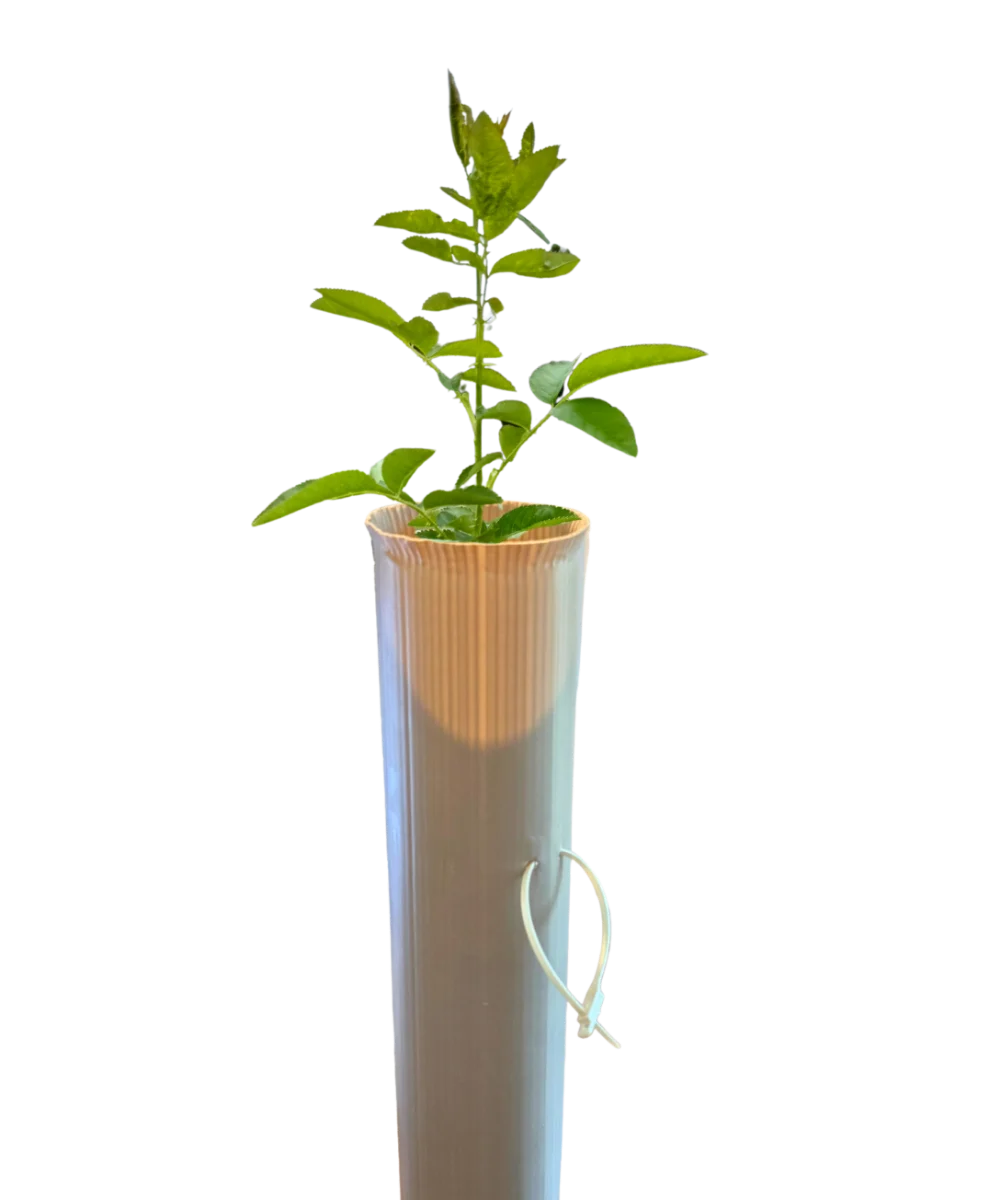
Vigilis Bio Tree Shelter
Soil Biodegradable
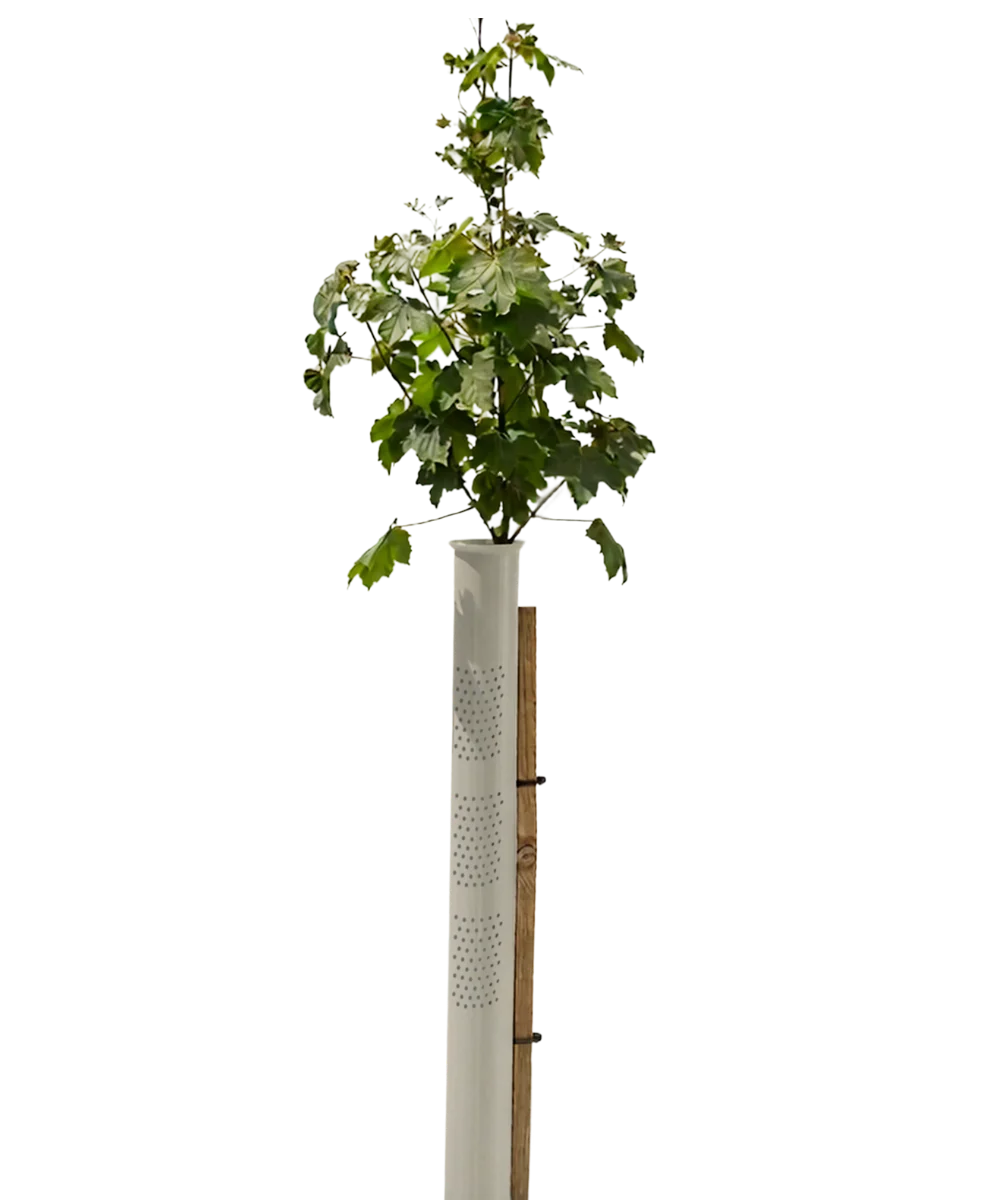
Vigilis Bio VentAir Tree Shelter
Ventilated Soil Biodegradable Protection
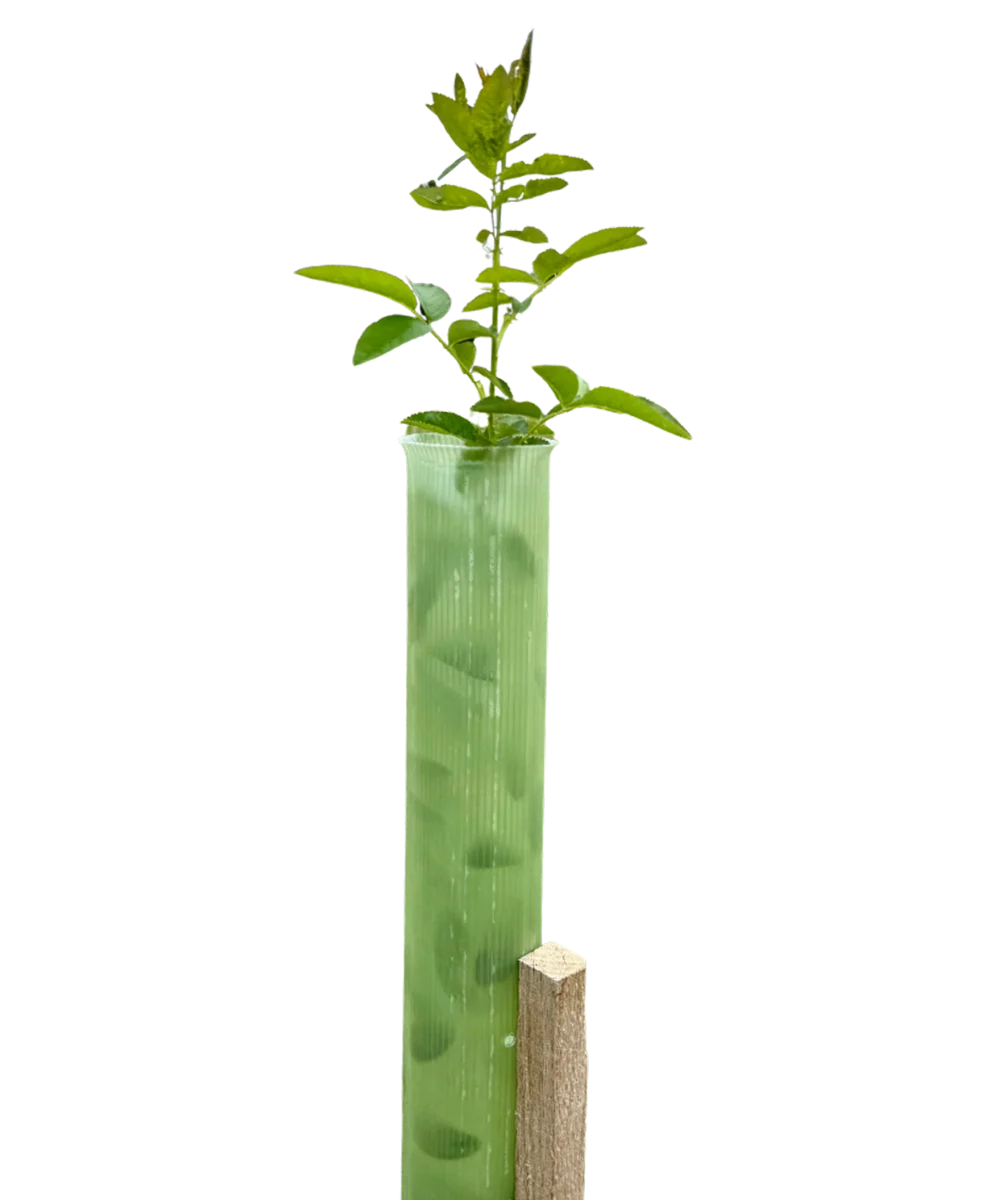
Vigilis Tree Shelter
Recyclable & Collectable
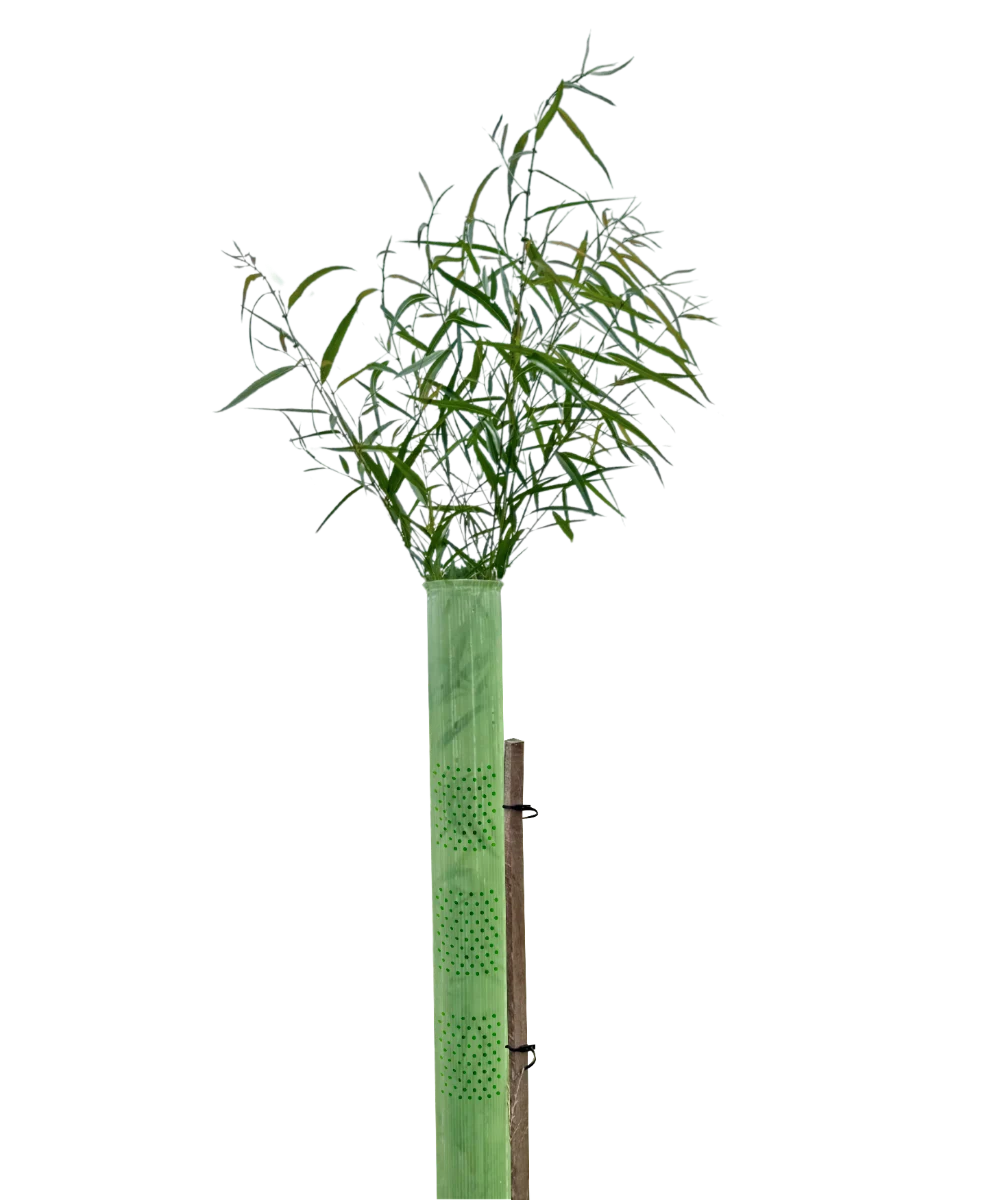
Vigilis VentAir Tree Shelter
Recyclable & Collectable
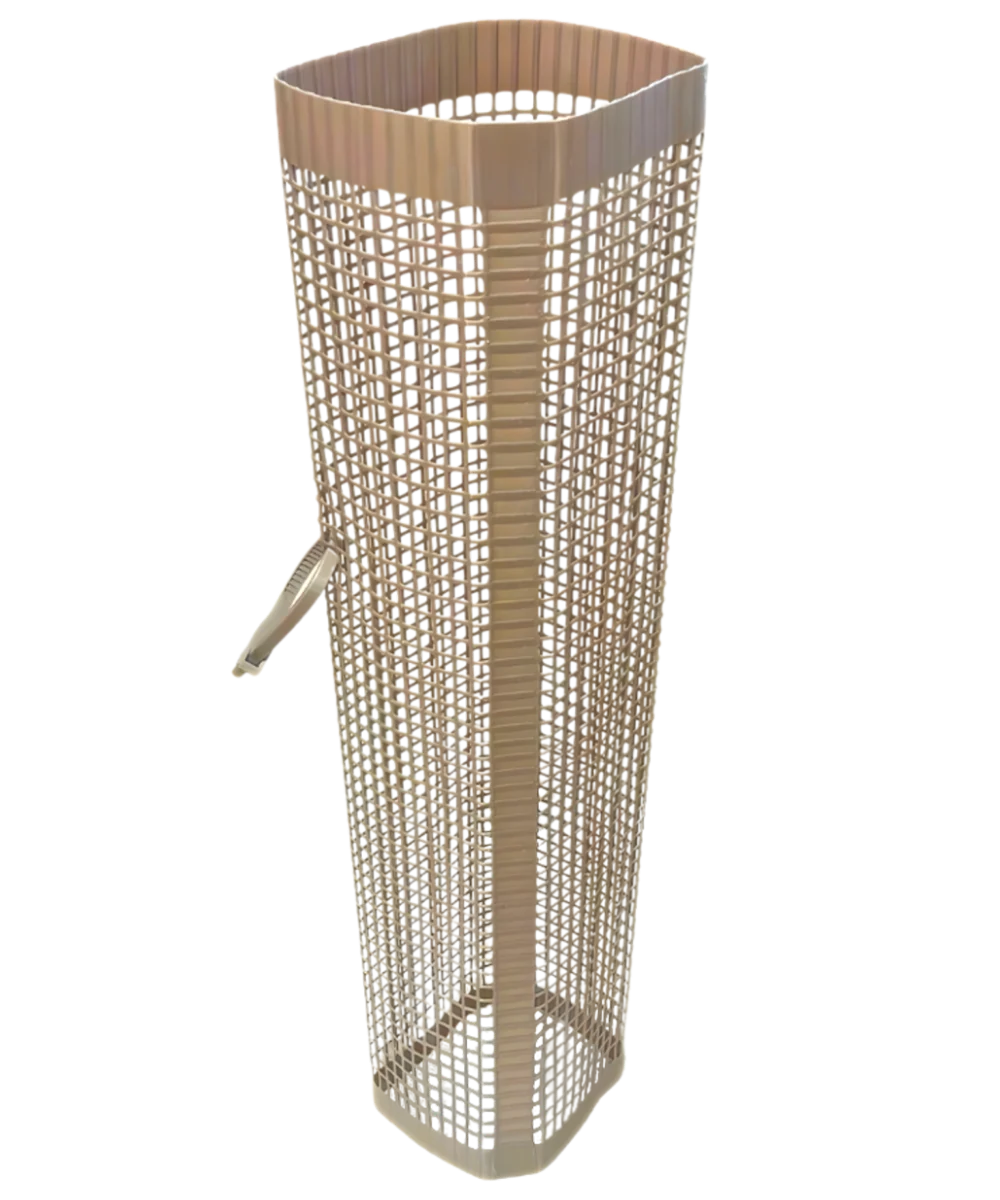
Vigilis Bio Mesh Guard
Soil Biodegradable
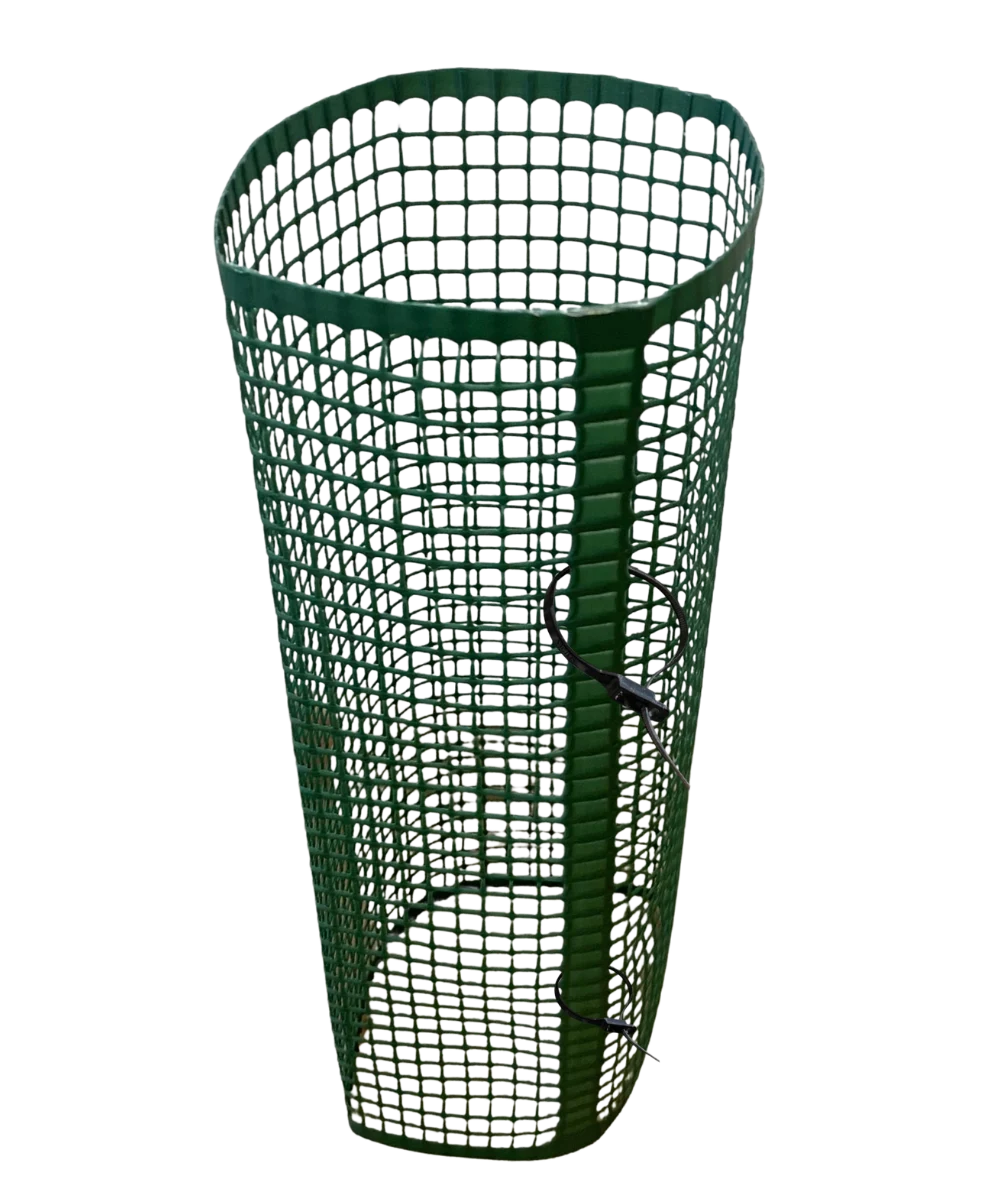
Vigilis Mesh Guard
Recyclable & Collectable
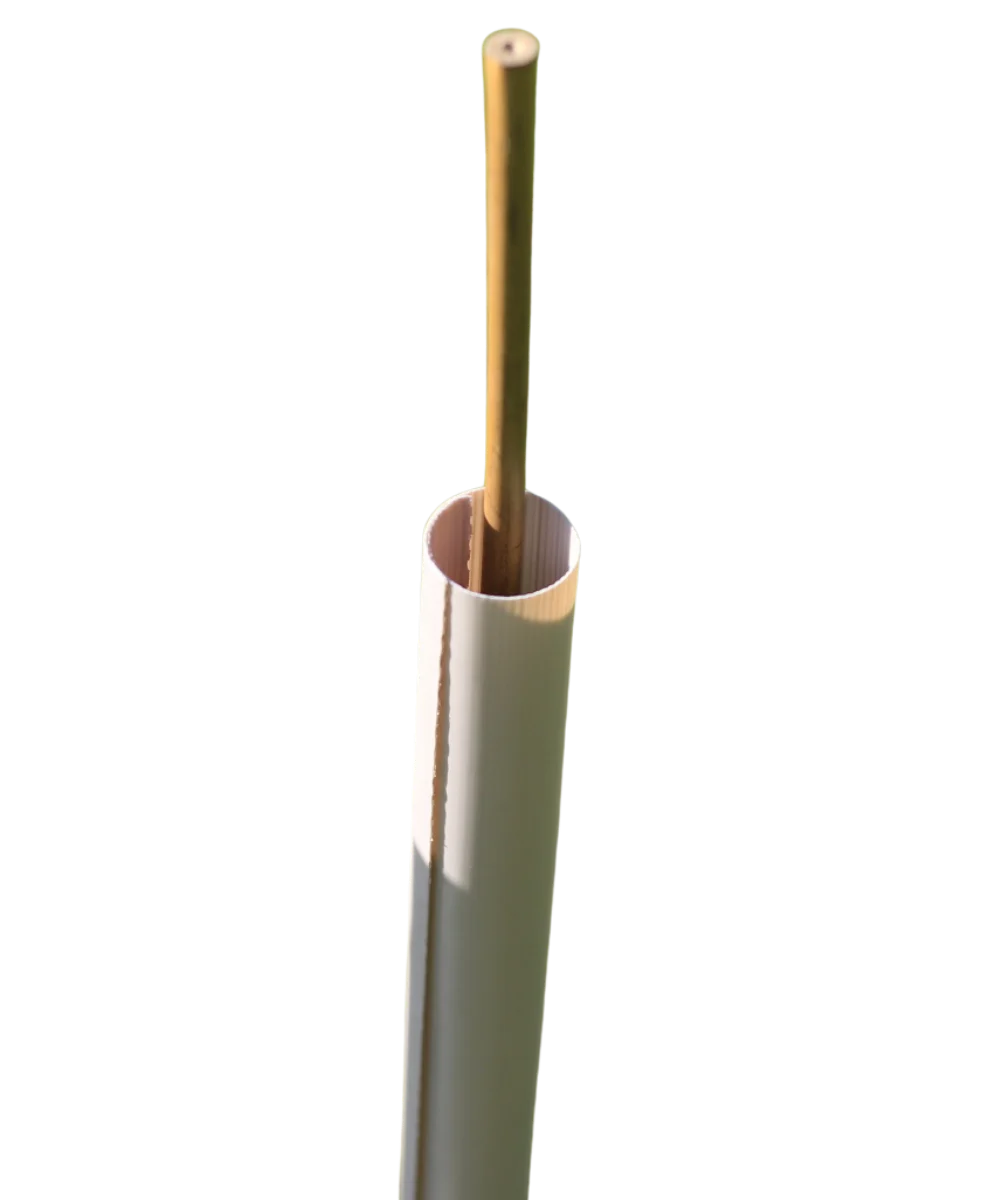
Vigilis Bio Wrap
Soil Biodegradable
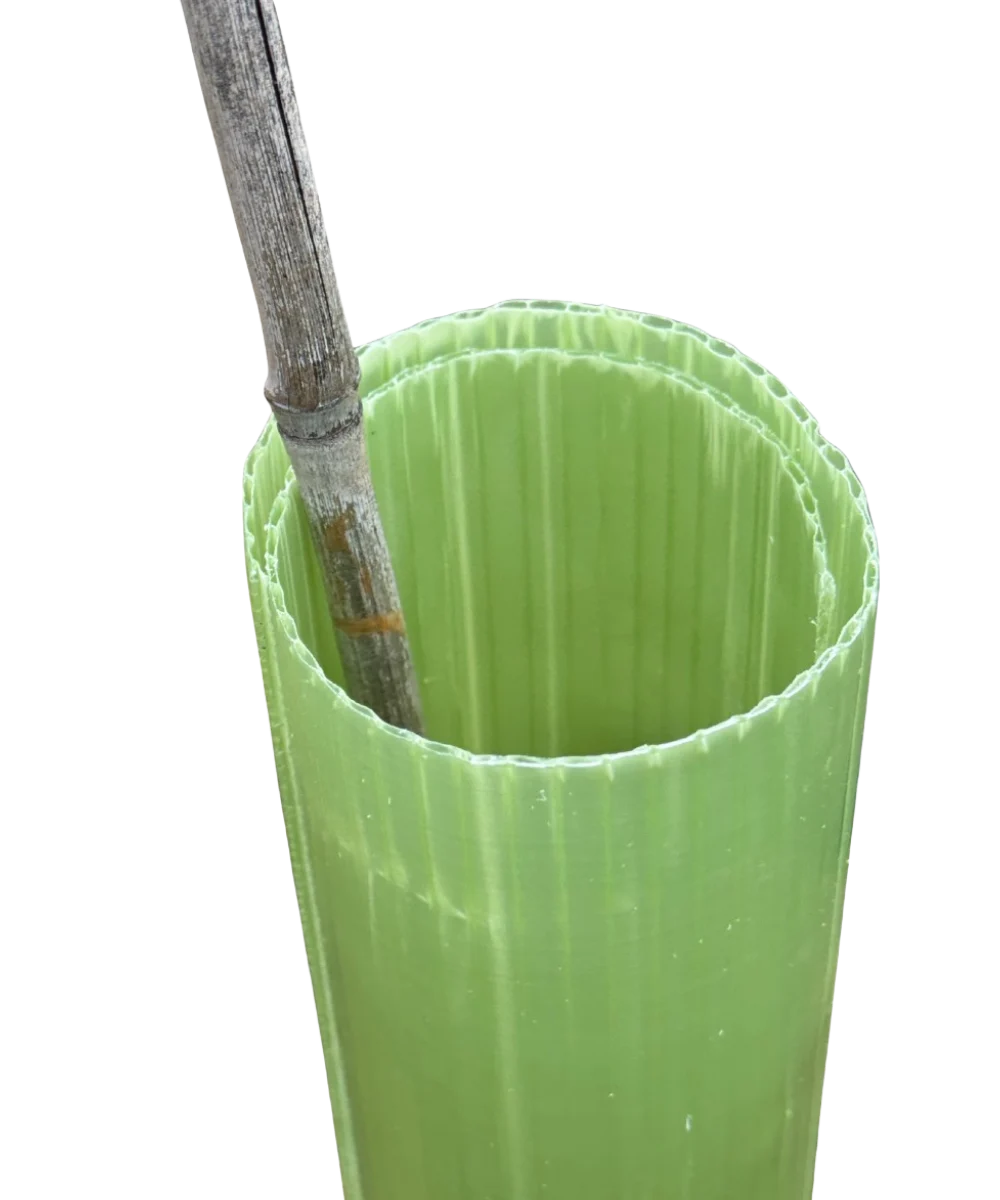
Vigilis Wrap
Recyclable & Collectable
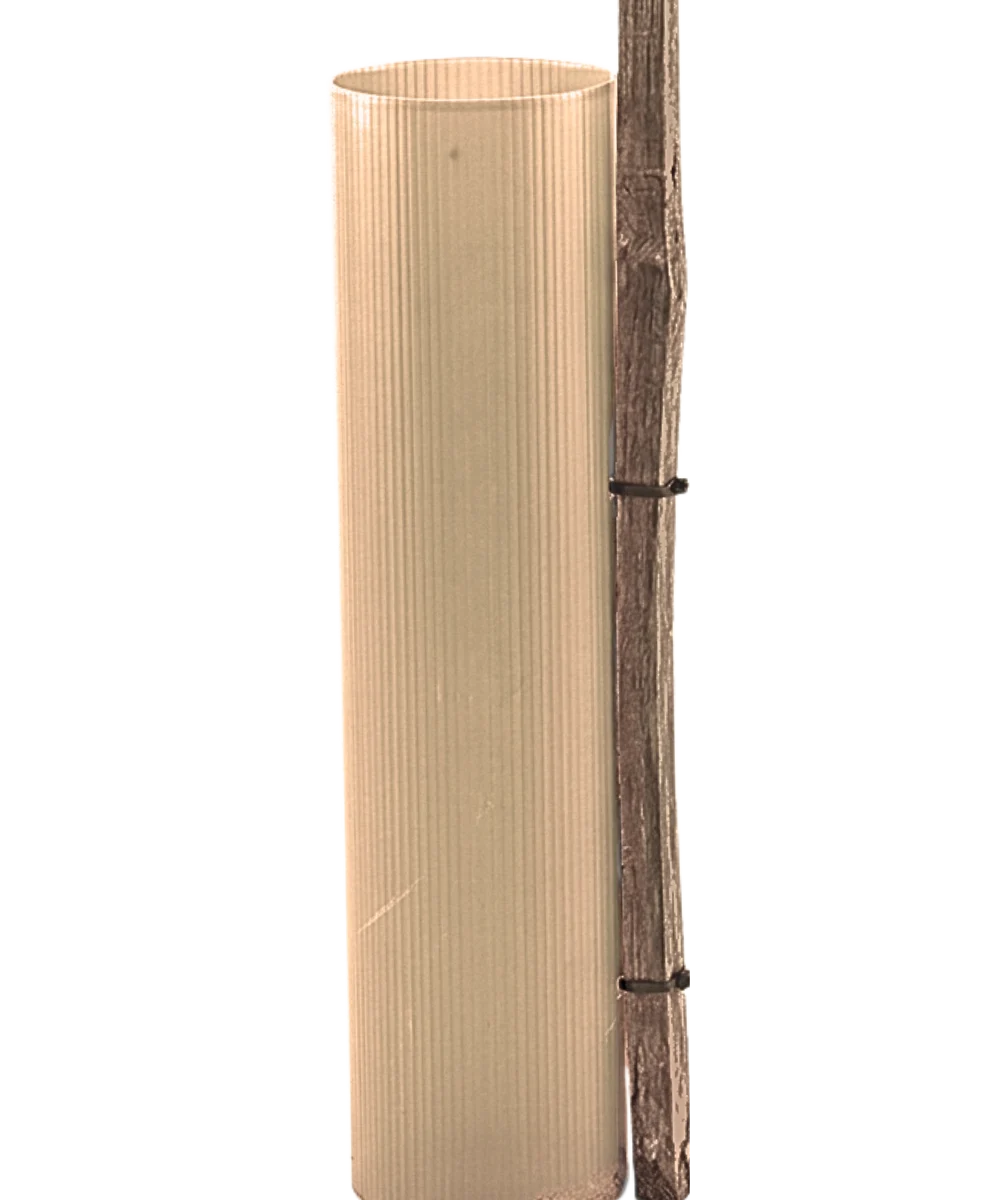
Vigilis Bio Shrub Shelter
Soil Biodegradable
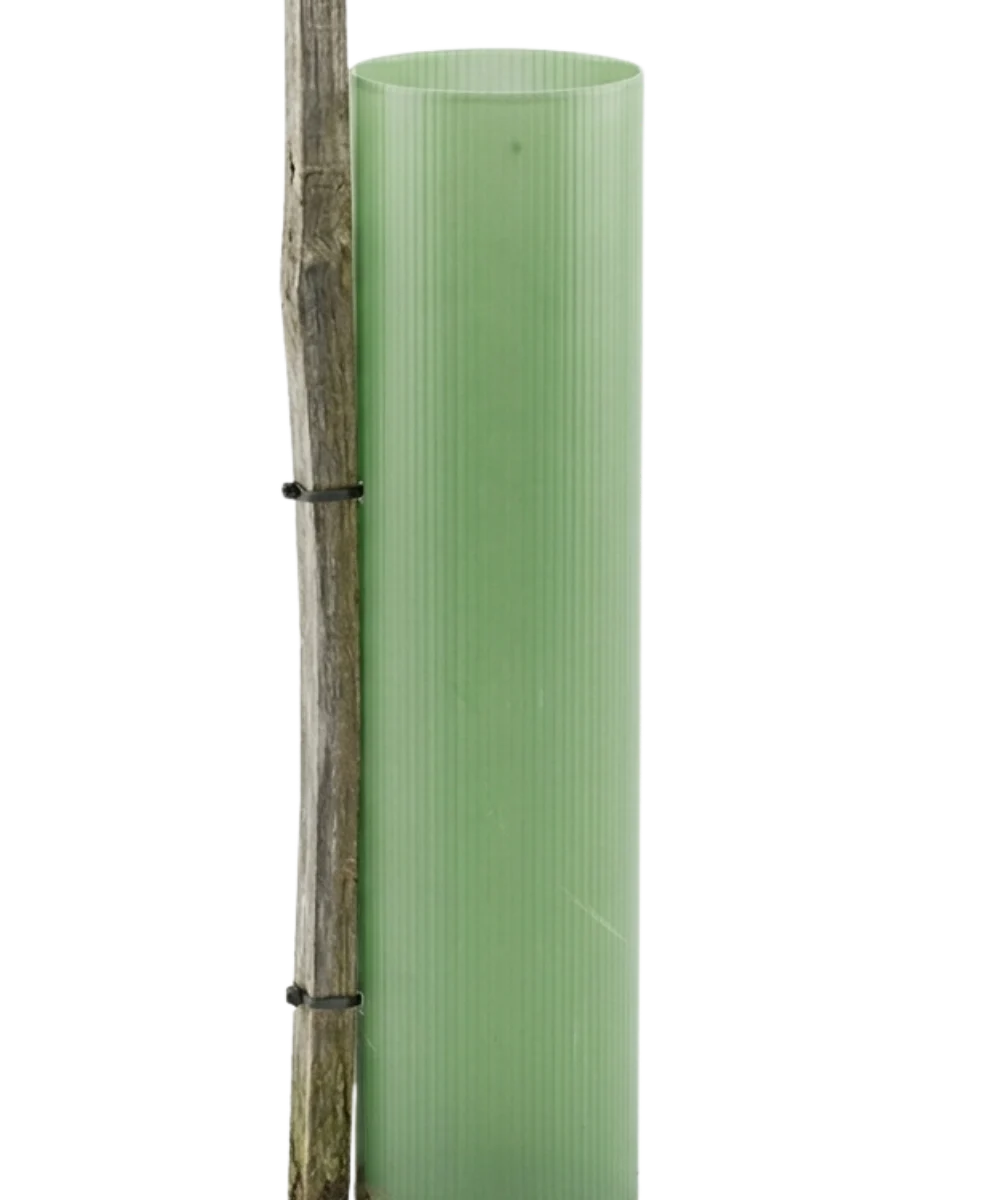
Vigilis Shrub Shelter
Recyclable & Collectable
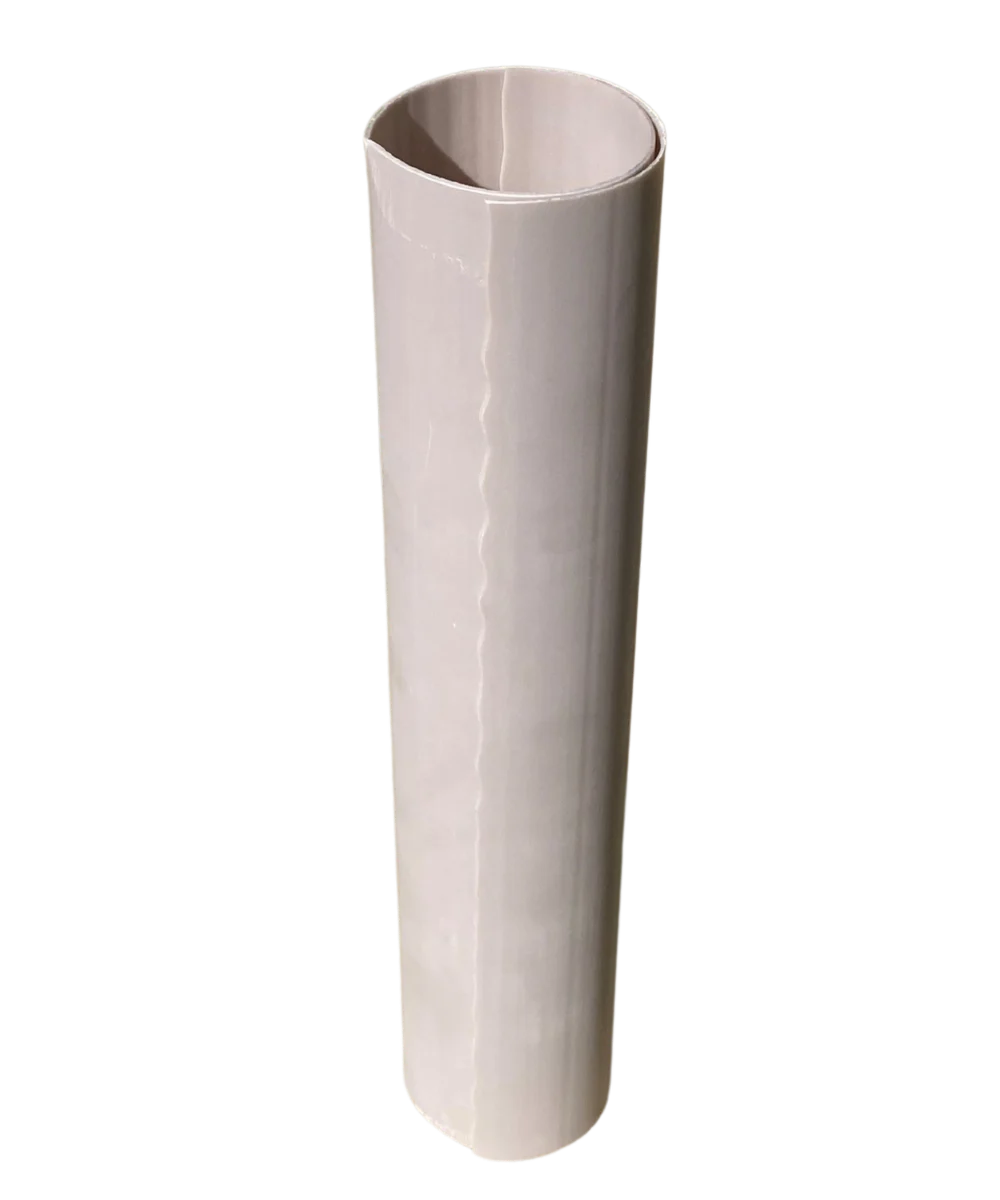
Vigilis Bio Voleguard
Soil Biodegradable
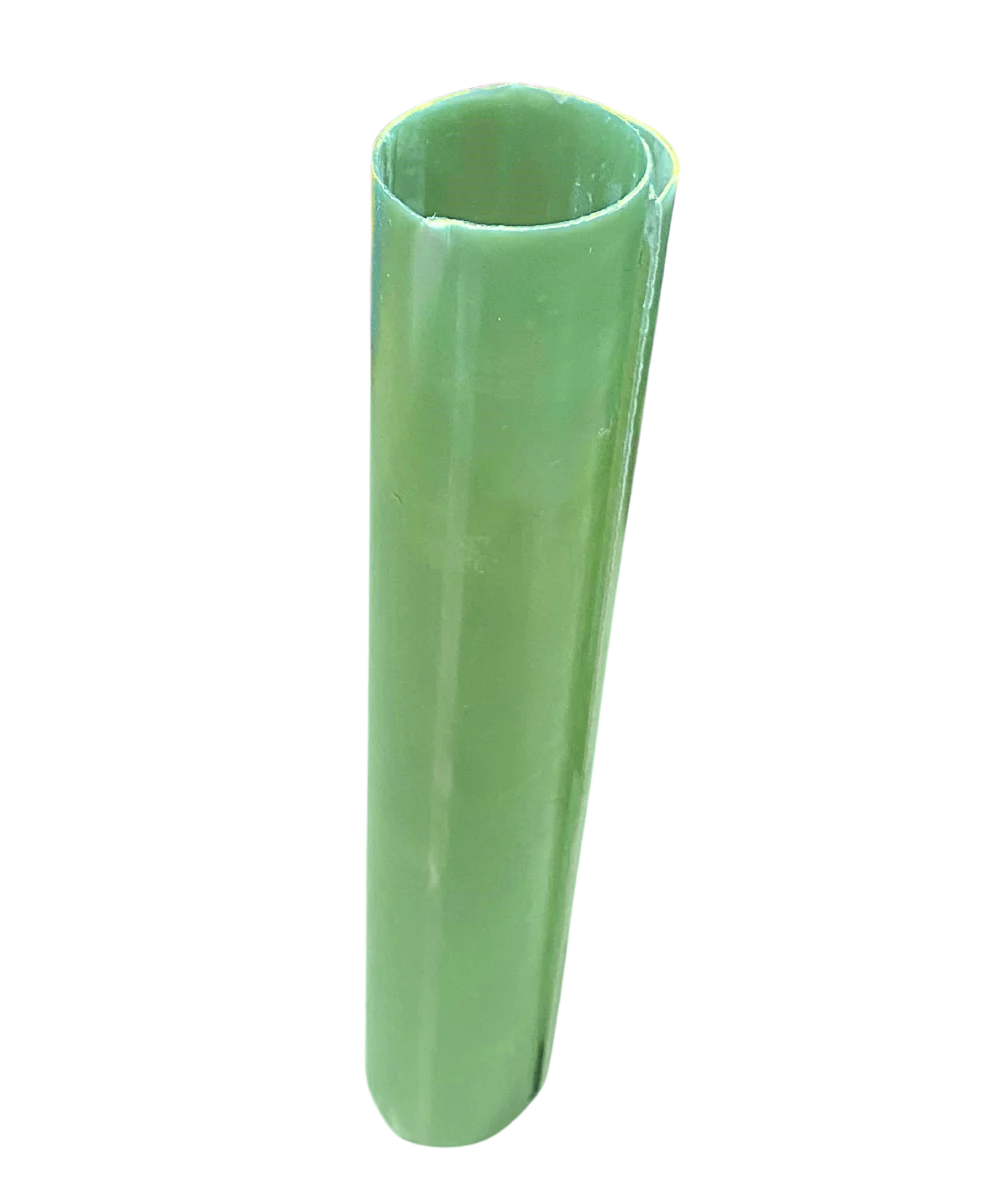
Vigilis Voleguard
Recyclable & Collectable
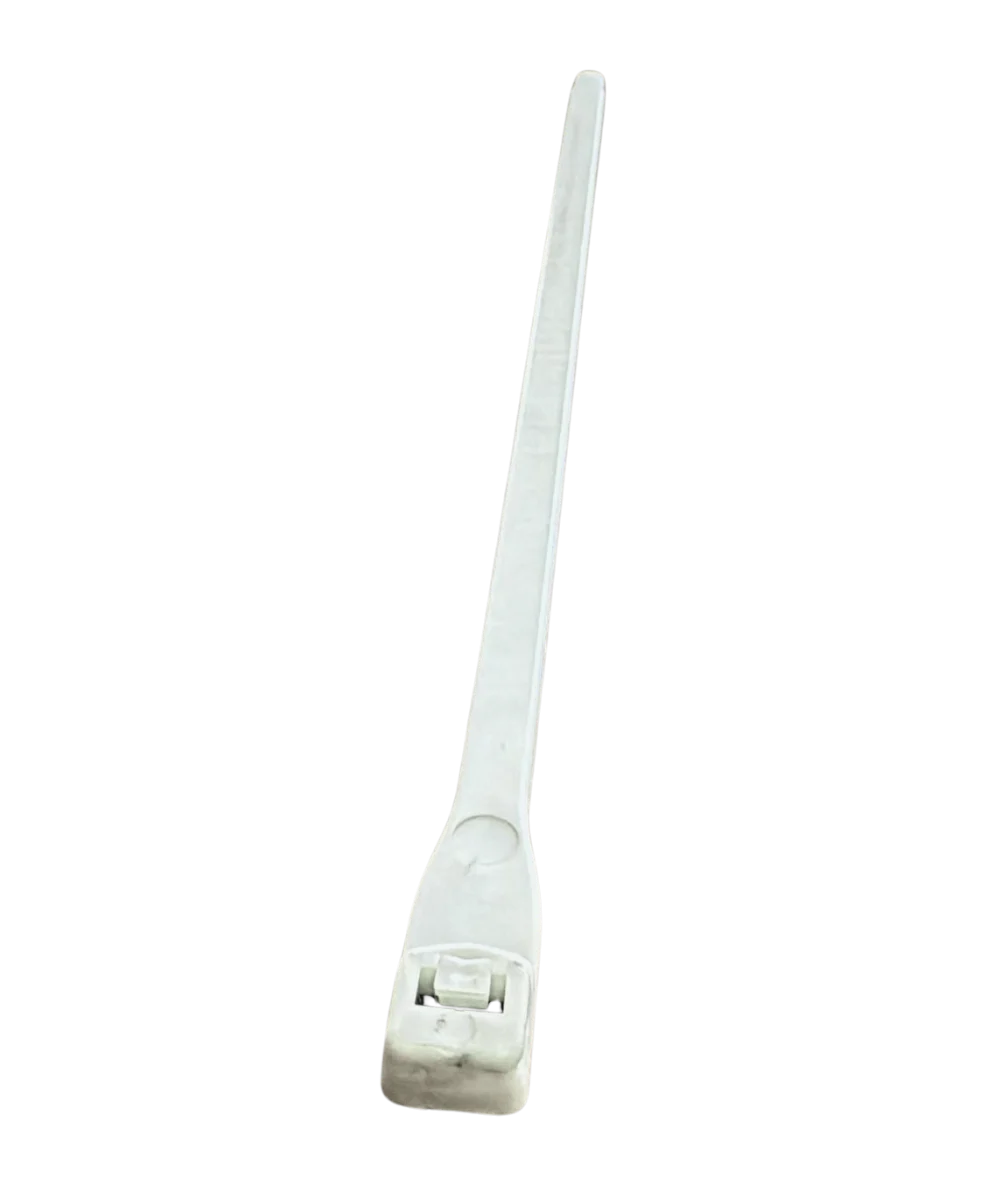
Vigilis BioTie
Biodegradable cable ties for tree guards and shelters
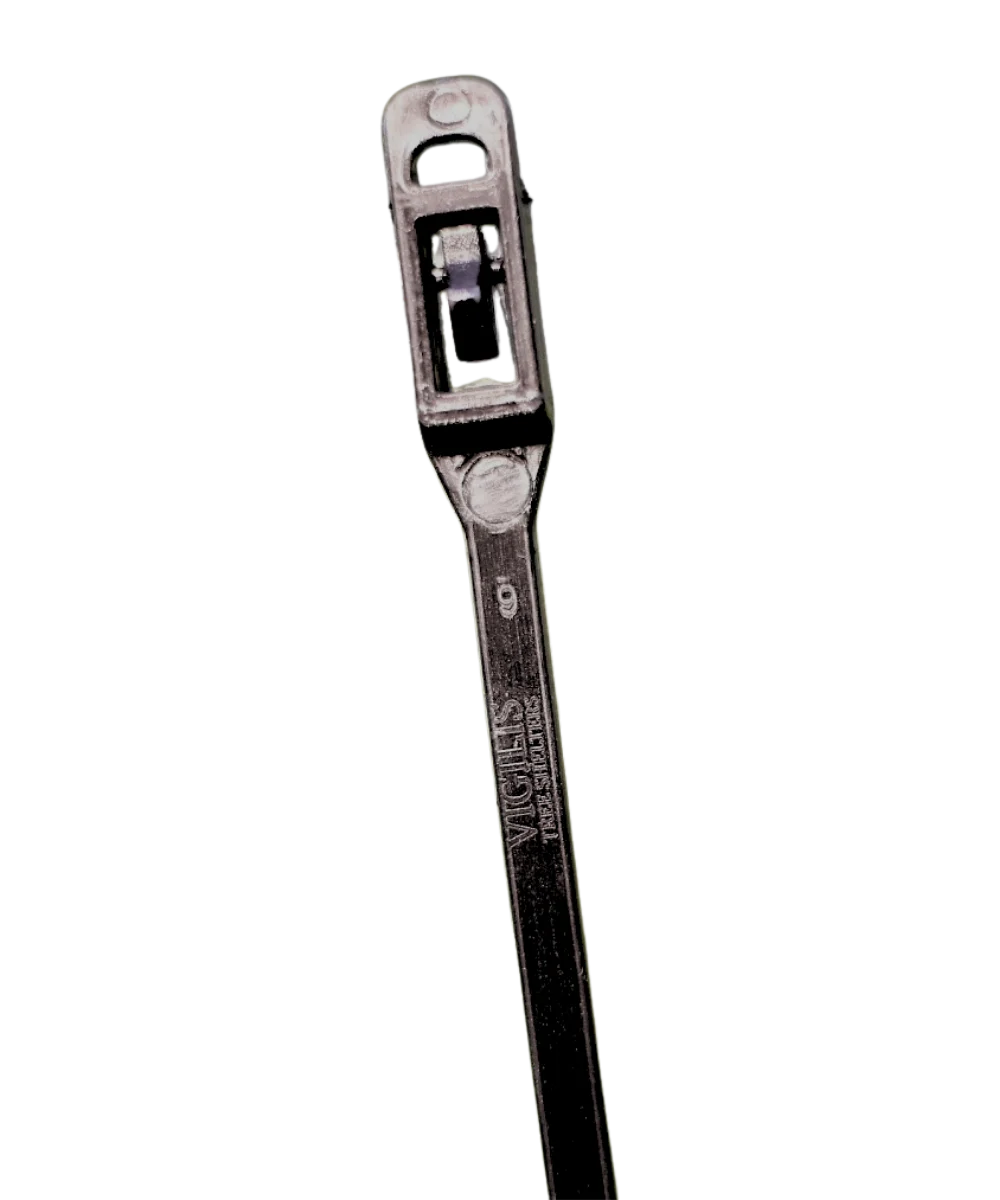
Vigilis Cable Ties
Releasable cable ties for tree guards and shelters
Frequently Asked Questions
Do rewilding projects need tree shelters if the goal is natural regeneration?
Many rewilding projects combine natural regeneration with targeted native planting to accelerate habitat formation, particularly where seed sources are distant. Where planting is used, shelters are typically essential unless browsing pressure has been eliminated through complete deer exclusion — rare in most projects. Our mesh shelters are popular for rewilding schemes where aesthetics and airflow matter, while our biodegradable tree guards offer a minimal-footprint option that naturally disappears after establishment. Rewilding Britain provides detailed guidance on combining regeneration and planting strategies.
Are there biodegradable tree guard options for remote rewilding sites?
Yes. Our Vigilis-Bio range is manufactured from plant-based biopolymers and fully biodegrades in soil after the establishment period, leaving no plastic on site to collect. This is particularly valuable on remote upland sites, nature reserves and floodplain restoration schemes where removing hardware from difficult terrain is costly and time-consuming. Biodegradable guards also meet grant scheme requirements for minimising plastic use in publicly funded planting programmes across the UK, USA and Europe.
Which native tree species most need shelter protection on rewilding sites?
Broadleaf species central to most rewilding planting mixes — including oak, rowan, hazel, hawthorn and crab apple — benefit significantly from shelter protection. Oak in particular grows slowly in its first 3–5 years and is highly palatable to deer; without protection it is frequently browsed back and may never establish. Fast-growing pioneer species such as alder and willow can sometimes outpace browsing pressure on favourable sites. For mixed native planting, our tree guards are available in heights matched to the dominant predation pressure on your site.
How do tree shelters support biodiversity goals on rewilding sites?
Without shelter protection, deer and rabbits selectively browse the most palatable species, reducing structural and species diversity over time. Tree guards protect the full species mix of a planting scheme, enabling the development of the mixed canopy and understorey structure that rewilding projects are designed to achieve. Once trees are established above the browse line, shelters can be removed or left to biodegrade. Contact our team for species-specific shelter recommendations — we regularly supply restoration projects planting 10,000+ trees across multiple habitat types.
Can tree shelters work alongside deer fencing on rewilding projects?
Individual guards and perimeter fencing serve complementary roles. Deer exclusion fencing protects the site boundary but rabbits, hares and voles can still penetrate most fences at ground level. Individual tree guards and voleguards provide targeted plant-level protection, ensuring that even on fenced sites your most vulnerable trees survive. For large rewilding schemes, combining perimeter deer fencing with individual guards on slow-establishing species such as oak and hazel is common practice among leading restoration organisations worldwide.
Ready to get started?
Talk to our team
We'll help you choose the right product and connect you with your nearest distributor.