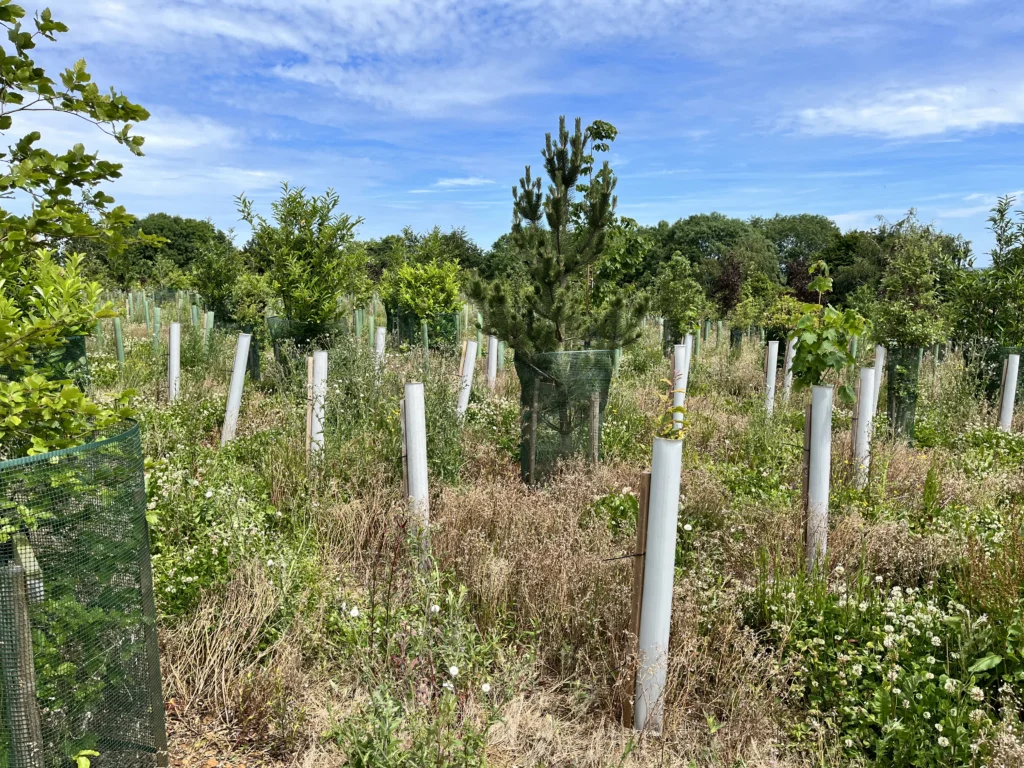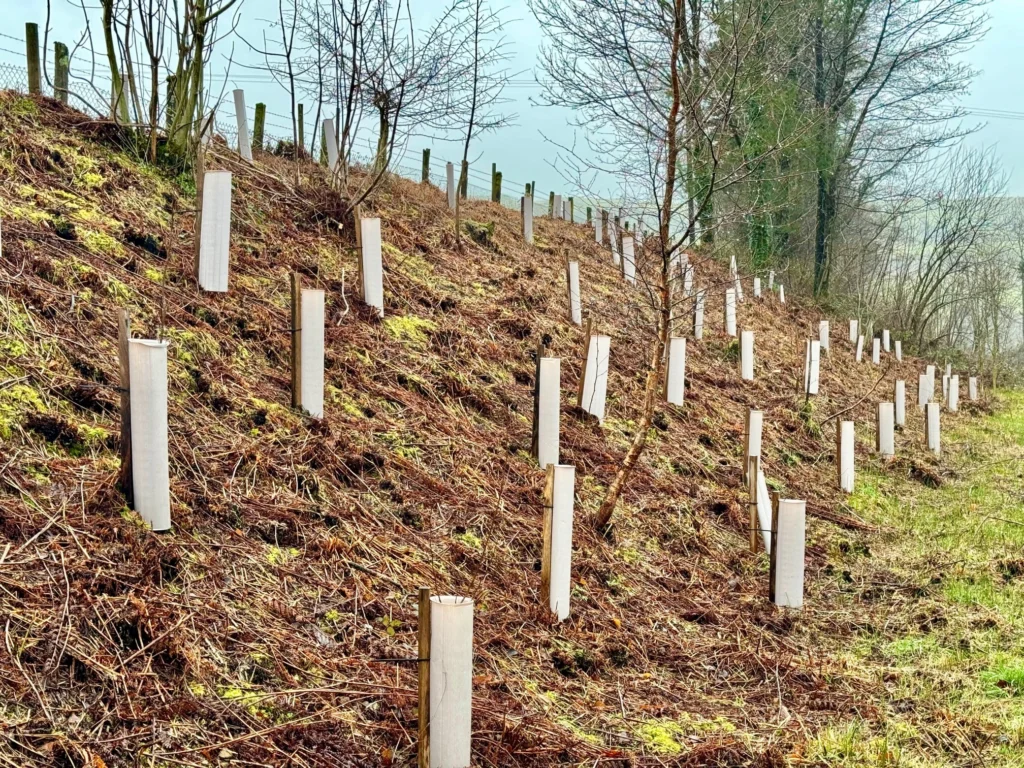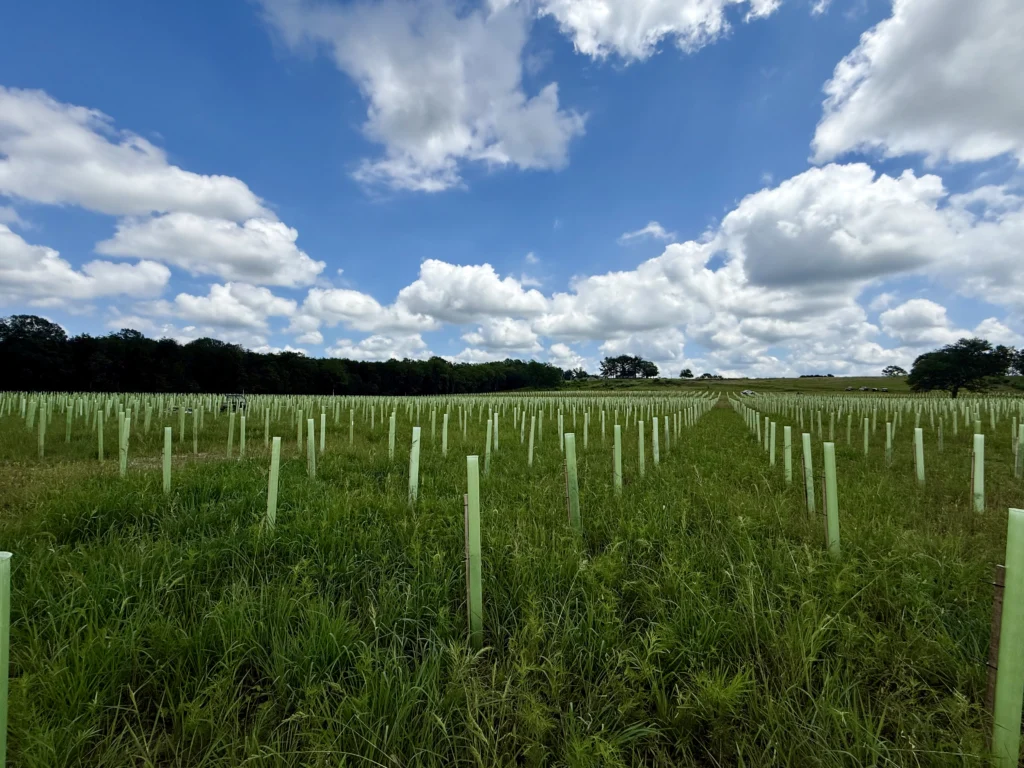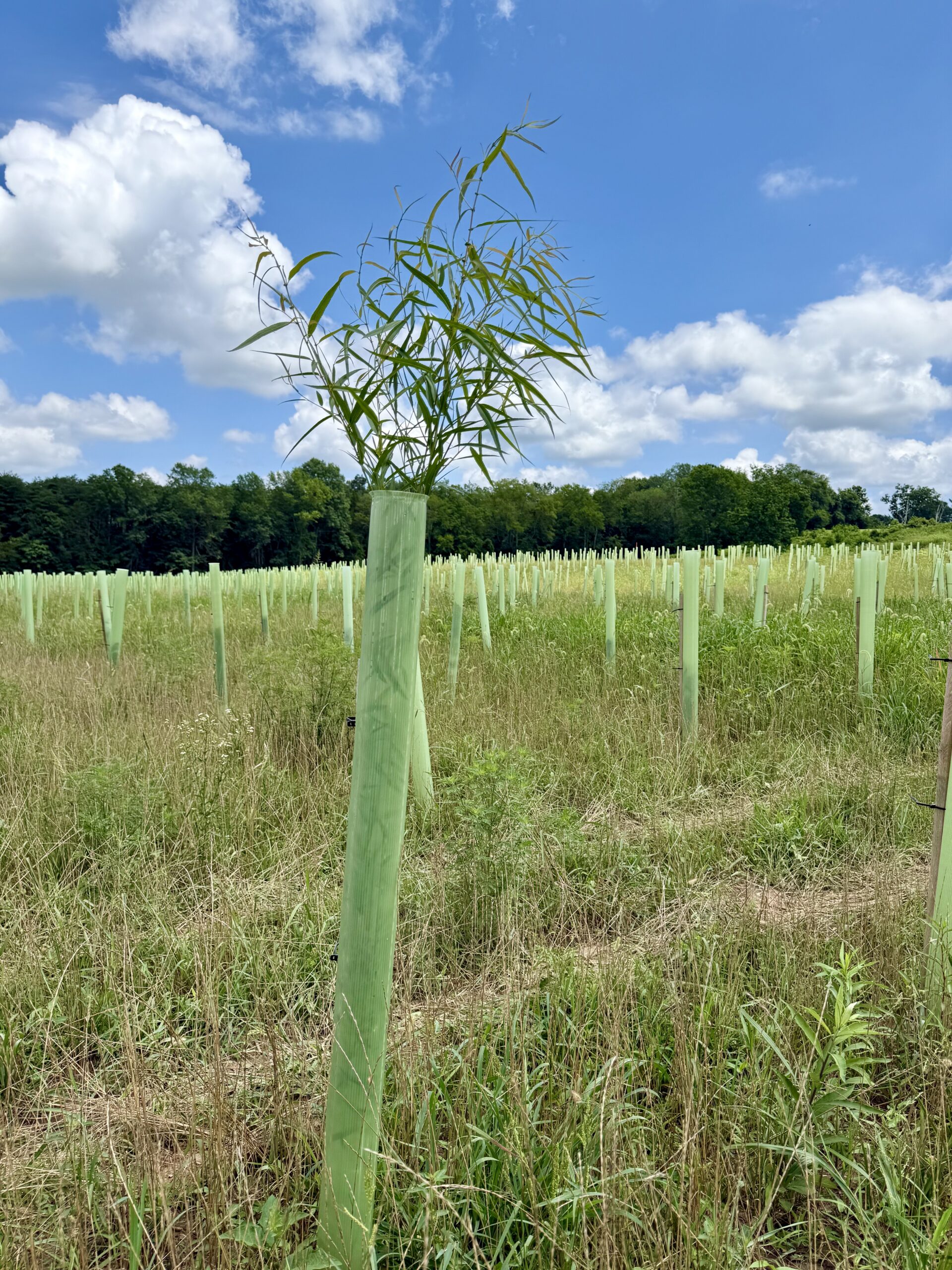
For US landowners, foresters and conservation groups, the cost of establishing trees is rarely the barrier it first appears, because a wide range of tree planting incentives in the USA exists to share that cost. Federal and state programs can fund site preparation, seedlings, planting labour and the tree protection needed to get young stock established. The challenge is knowing which program fits your land and your goals. This guide gives foresters and land managers a practical map of the main options.
Why tree planting incentives in the USA matter for establishment
Most incentive programs are judged on outcomes: surviving, established trees, not just stems in the ground. That makes the establishment phase, where seedlings are most vulnerable to deer, rodents and drought stress, the part of the project where funding has to work hardest. Building effective tree protection into your application from the start protects both the trees and the grant: higher survival rates mean fewer costly replants and a cleaner final inspection.
Federal programs
Several federal programs, administered largely through the US Department of Agriculture, support tree planting on private and public land:
- Environmental Quality Incentives Program (EQIP): run by the Natural Resources Conservation Service (NRCS), EQIP provides cost-share assistance to agricultural producers for conservation practices, including tree and shrub establishment.
- Conservation Reserve Program (CRP): administered by the Farm Service Agency, CRP pays landowners to convert environmentally sensitive cropland to long-term cover, including tree planting.
- Forest Service reforestation funding: the USDA Forest Service supports reforestation on national forest land and channels grants to states for landscape-scale and urban forestry work.
Program rules, eligibility and sign-up windows change from year to year, so always confirm the current terms directly with the agency. The USDA and US Forest Service websites are the authoritative sources.
State and local programs
Alongside federal funding, most states run their own forestry cost-share and grant programs through their state forestry agency. These vary widely but commonly include:
- State forestry cost-share: reimbursement for approved planting and stand-improvement practices on private forestland.
- Urban and community forestry grants: funding for street trees, park planting and community canopy projects, often passed through from the federal Urban and Community Forestry program.
- Riparian and watershed grants: targeted funding to plant trees along waterways for water quality and habitat.
Your state forestry agency or local NRCS field office is the best starting point for matching a program to your specific site and objectives.
How tree protection fits the funding case
Whether you are reforesting after harvest, establishing a windbreak or restoring a riparian buffer, protecting seedlings is what turns funded planting into surviving woodland. For large reforestation and rewilding projects where returning to retrieve spent shelters is impractical, the soil-biodegradable Vigilis Bio tree shelter removes the retrieval burden while supporting the survival rates these programs are measured against. For commercial forestry, recyclable tree guards remain a strong fit where collection is already routine.
Making your application stronger
Three steps strengthen any funded planting project: confirm the current program rules with the administering agency before you specify materials; build realistic protection costs into the budget rather than treating them as an afterthought; and keep documentation of the products used, which supports both inspection and any sustainability reporting attached to the funding. Specifying proven tree protection up front is one of the simplest ways to protect your survival rates, and your grant.
To discuss tree protection for a US reforestation or conservation project, find your local Vigilis distributor.