SFI 2026 agroforestry funding enters its decisive phase on Tuesday 22 September, when Window 2 opens to all farmers and land managers in England. If you are planting trees into farmland this season, it is worth being precise about what this scheme does and does not pay for, because the answer has changed, and getting it wrong will leave a hole in your budget where the tree protection was supposed to be.
What has changed for Window 2
Window 1 opened on 30 June with a £60 million budget and closed at 11:59pm on 28 August. It was restricted to smaller farms and businesses without an existing Environmental Land Management agreement, and drew around 6,500 applications.
Window 2 is the bigger one. It opens on 22 September to all eligible applicants, with a budget of £230 million following the 28% uplift confirmed on 15 August, taking SFI26 to £290 million in total. Any Window 1 budget left unallocated carries over. There is also new functionality for anyone holding an ELM revenue agreement due to expire by the end of February 2027, such as SFI23 or Countryside Stewardship Mid Tier: an SFI26 agreement can now be set to start after the existing agreement ends, rather than forcing a choice between the two.
What SFI 2026 agroforestry funding actually pays for
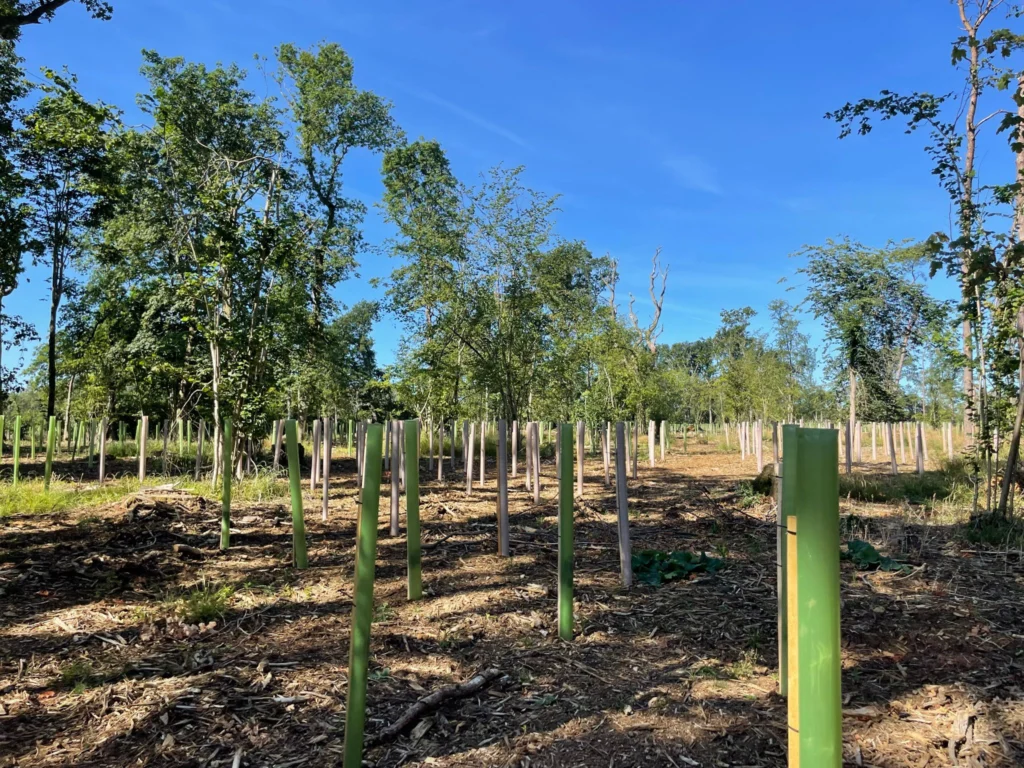
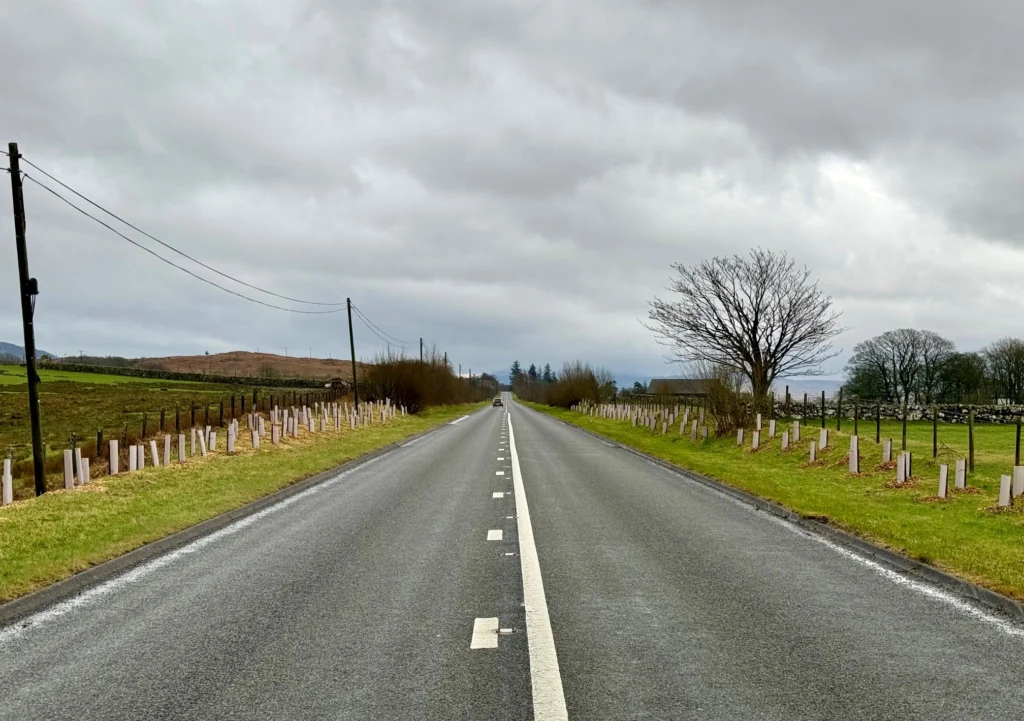
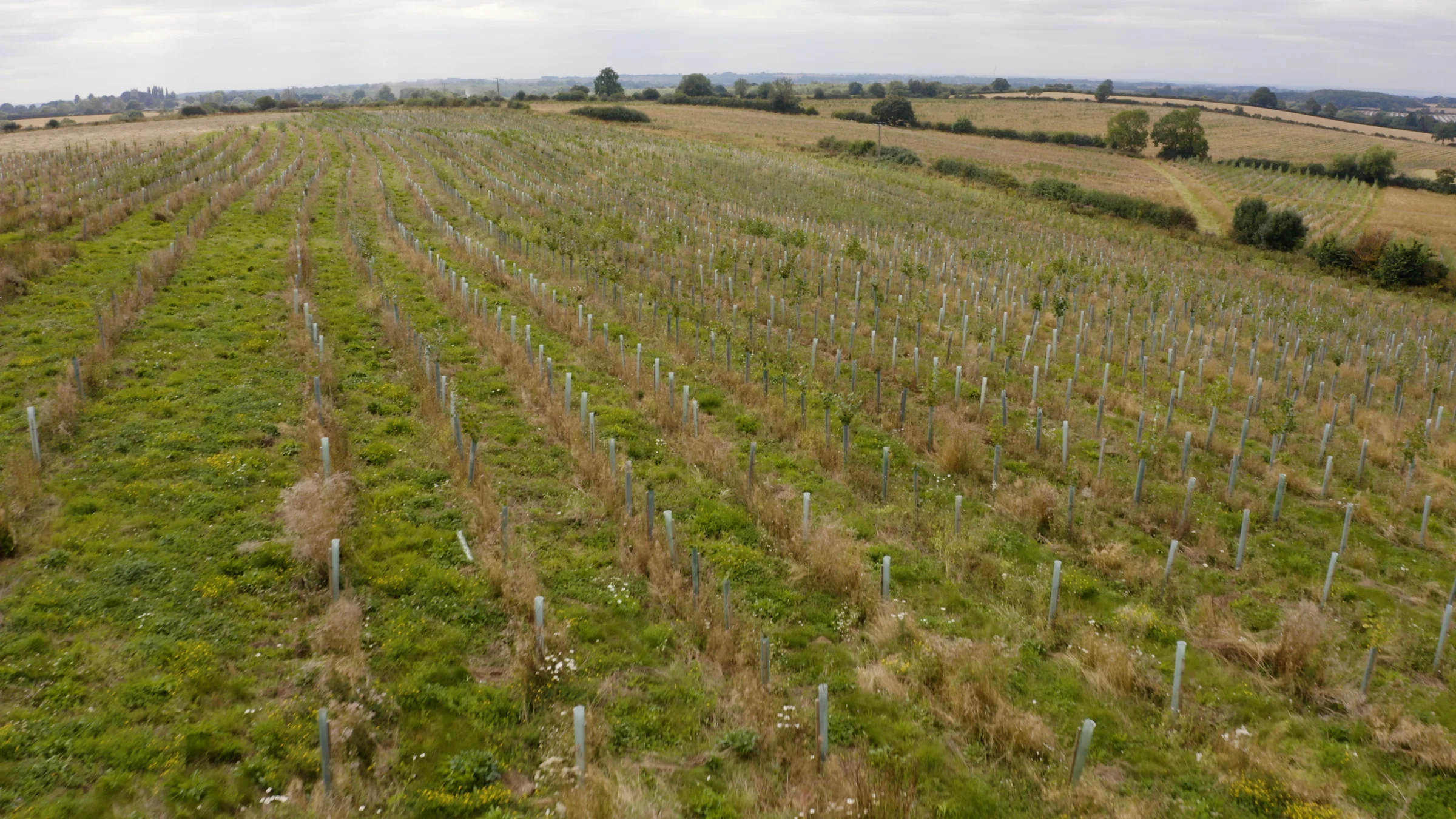
This is the part worth reading carefully. The SFI26 agroforestry actions are annual maintenance payments per hectare. They are not establishment grants, and they do not fund the trees, the shelters or the stakes.
- AGF1: 30 to 50 trees per hectare on less sensitive land: £248 per hectare per year
- AGF2: 51 to 130 trees per hectare on less sensitive land: £385 per hectare per year
- CAGF1–CAGF4: the equivalents on more sensitive land, delivered through Countryside Stewardship Higher Tier: £248 to £849 per hectare per year on a 10-year term
The scheme rules matter as much as the rates. SFI26 agreements run for a fixed three years. There is no five-year option. You need a minimum of 3 hectares linked to your SBI. Payments are capped at £100,000 per year, with one agreement per business. And the £50 per hectare management payment that existed under earlier iterations has been removed. Full terms are published in the SFI26 scheme rules and guidance.
Where tree shelter costs actually come from
Capital items, meaning the trees, the guards and the stakes, sit in a different pot: Higher Tier Capital Grants. Agroforestry and woodland items have been available there year-round since 10 July 2026, and that route stayed open even when Capital Grants 2026 closed on 1 September after its £225 million was fully allocated across roughly 17,000 applications. Agroforestry items were deliberately kept out of that offer, which is why the shelter-relevant funding is still live.
The item to know is TE5, the individual tree shelter supplement, currently £2.43 per unit. Note also that TE6, the old tube and mesh guard item, has been withdrawn and replaced by TE19 for narrow weld mesh. If you are budgeting from a document written before this summer, check the item codes before you rely on them.
So the working model is straightforward once you see it: Higher Tier Capital Grants buy the tree guards and stakes; SFI26 pays you an annual per-hectare sum to keep the system in good order for three years.
Why the three-year term changes the end-of-life question
A young tree typically needs protection for five to eight years. An SFI26 agreement lasts three. That gap is not a technicality. It is a real commercial problem, because the guards will still be standing for years after the payments stop, and somebody has to go back and collect them out of their own pocket.
On a small block that is an afternoon. Across a farm-scale agroforestry planting it is a genuine cost with no funding line attached to it. A soil-biodegradable shelter such as Vigilis Bio removes the job entirely: the shelter protects the tree through establishment and then breaks down in the soil, so there is nothing to retrieve in year eight and nothing left in the ground to explain to an inspector.
Higher Tier is opening up too
Countryside Stewardship Higher Tier used to be invitation-only, reached through Natural England or the Forestry Commission. Since 21 July 2026 you begin the process yourself by submitting an expression of interest. There is at least £50 million for new Higher Tier agreements this year, with up to 1,200 single-focus agreements in the first cohort. For anyone whose land falls into the more sensitive categories, where the CAGF actions and their 10-year term apply, that is the door to go through.
Getting ready for 22 September
Sequence the work. Confirm your eligibility and whether the SFI or Higher Tier route fits your land. Map the parcels you intend to enter and check you clear the 3-hectare minimum. Settle your planting density early, because it decides whether you are on AGF1 or AGF2 and the difference is £137 per hectare per year. Then price the capital items separately, through Higher Tier Capital Grants, and specify protection that will outlast the agreement rather than expire with it. The Defra Farming blog is the fastest source for scheme updates as the window opens.
If you want to talk through protection specification for an agroforestry planting before you commit to a scheme, our distributor network can advise on your species, site and timescale.