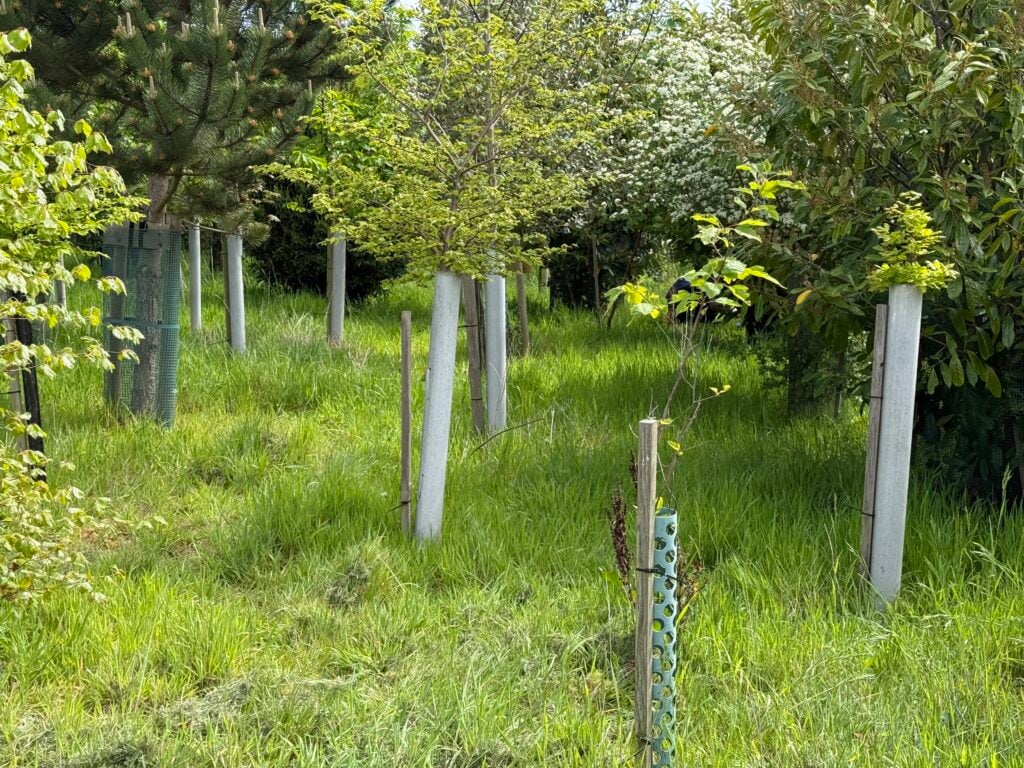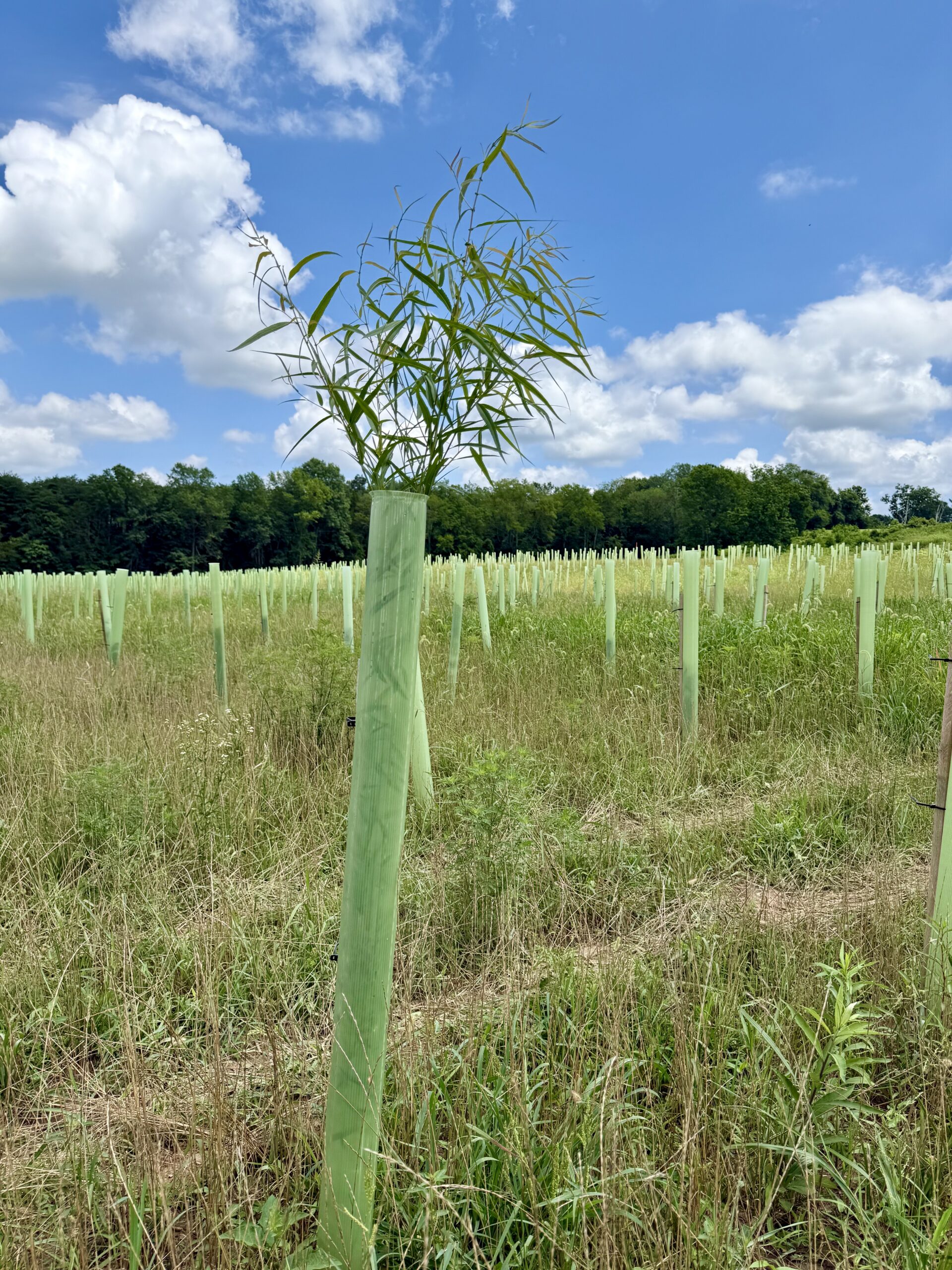
New agroforestry principles from Natural England were published in April 2026, offering a practical framework for farmers and land managers looking to integrate trees with food production. Developed jointly with the Forestry Commission, the principles are designed to guide nature-friendly agroforestry design across England, and they have direct implications for how tree planting projects are planned, funded, and protected.
Whether you manage a working farm, a rewilding project, or a mixed forestry enterprise, understanding these principles is increasingly important as agroforestry becomes central to England’s land use strategy.
What Are Natural England’s New Agroforestry Principles?
The principles were launched at the Agroforestry Show in April 2026 by Geoff Newman, Natural England’s Agroforestry Senior Specialist. They are adapted from the six principles of woodland creation and are intended to ensure that agroforestry genuinely benefits nature, not just carbon targets.
The overarching message is clear: agroforestry should complement what is already on the land, not replace it. The key principles include:
- Respect existing habitats. Before planting, audit what is already thriving. Peat, species-rich grassland, veteran trees, and existing scrub are valuable habitats. Agroforestry should enhance these, not displace them.
- Blend planting into the landscape. New tree planting should integrate with surrounding features (hedgerows, watercourses, field margins), rather than imposing uniform rows across the farm.
- Embrace native species diversity. A mix of native species creates more resilient systems and greater ecological value than monoculture planting.
- Design for wildlife as well as productivity. Agroforestry is an opportunity to restore nature while supporting productive farming. The two goals are not in conflict.
- Manage existing features with care. Veteran trees, wetlands, and scrub on or near the planting site need ongoing management as part of the agroforestry system.
The full announcement is available on the Natural England blog.
What This Means for Tree Planting Projects
The principles signal a maturing of agroforestry policy in England. For tree planting practitioners (whether working in forestry, agroforestry, or rewilding), the practical implications are significant.
Species selection becomes more important. Rather than defaulting to fast-growing commercial species, the principles push towards native broadleaves suited to the existing ecology of the site. Oak, field maple, hazel, hawthorn, and wild cherry all feature prominently in agroforestry systems that meet the new criteria.
Site assessment also carries greater weight. Grant funding applications, particularly under the Sustainable Farming Incentive (SFI), are increasingly likely to require evidence that existing habitats have been identified and protected before planting begins.
How Tree Shelters Support Agroforestry Systems
Effective tree protection is essential in any agroforestry system, particularly in the early years when young trees are most vulnerable to browsing pressure from deer, rabbits, and livestock. Choosing the right tree guards, and the right material, is part of designing an agroforestry system that meets both productivity and nature recovery goals.
For projects where sustainability credentials matter (and under the new Natural England principles, they increasingly do), biodegradable tree shelters are worth serious consideration. Unlike conventional polypropylene shelters, biodegradable options break down naturally in the soil after the tree is established, eliminating the need for retrieval and disposal and reducing the plastic burden on the land.
In a silvopasture or alley cropping system, where shelter retrieval from between livestock or crops is time-consuming, this practical advantage is significant. Biodegradable shelters also align well with the environmental credentials that are increasingly required for grant applications and ESG reporting.
Funding Your Agroforestry Project in 2026
The timing of these new principles aligns with the opening of SFI 2026 applications. The scheme includes an agroforestry action (AGF2) paying £385 per hectare for low-density in-field agroforestry (51–130 trees per hectare) on eligible land. Capital Grants under the scheme also cover individual tree shelters and tree guards as eligible costs.
SFI 2026 opens in two windows: June 2026 for smaller holdings and first-time applicants, and September 2026 for larger holdings and those already in Environmental Land Management agreements. Full details are available on GOV.UK.
Alongside SFI, the Woodland Creation Planning Grant (WCPG) remains available for larger-scale planting schemes requiring professional design input.
Planning Your Agroforestry Tree Protection
If you are planning an agroforestry planting project for autumn 2026 or beyond, the new Natural England principles provide a useful checklist for site assessment and species selection. On the protection side, the choice of tree shelter material (biodegradable, recyclable, or standard) should be made early, as it affects both your procurement planning and your grant eligibility.
Vigilis supplies tree guards, mesh shelters, and vine guards to agroforestry projects across the UK, Europe, and North America. Explore our agroforestry products or find your nearest distributor to discuss your project requirements.