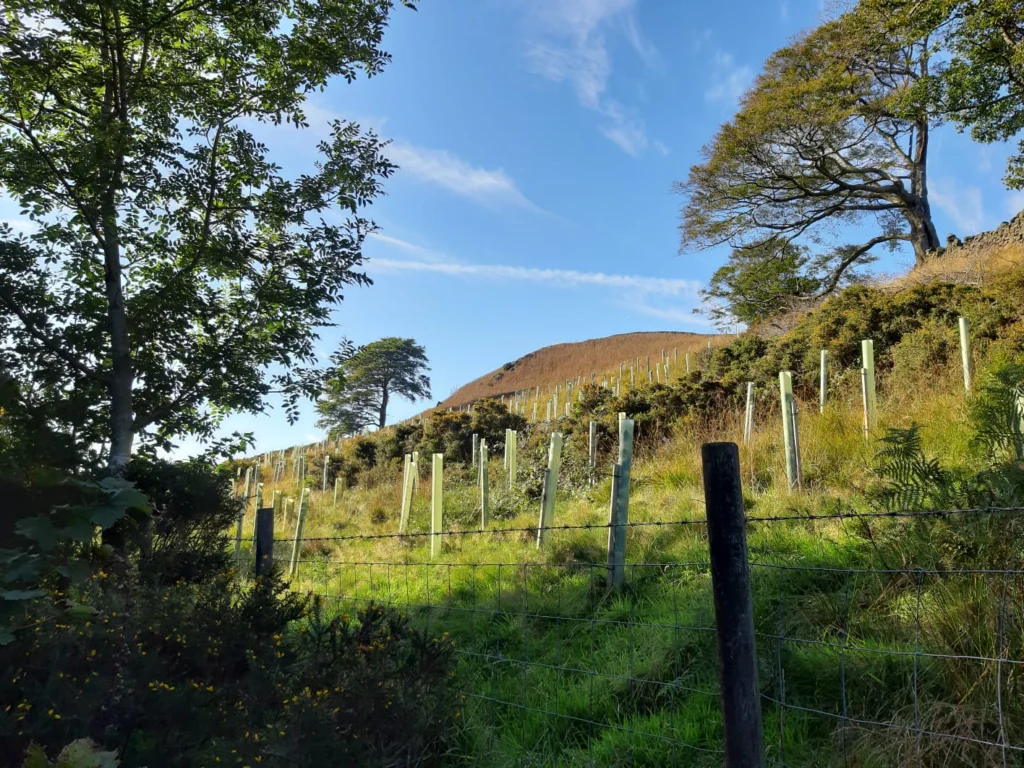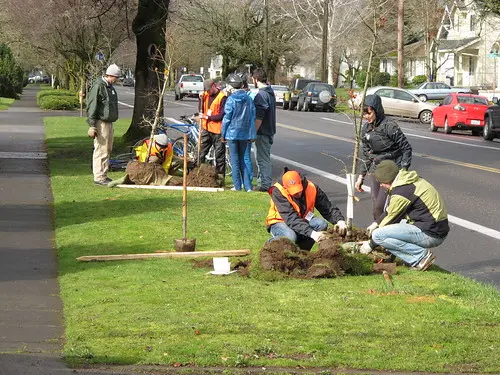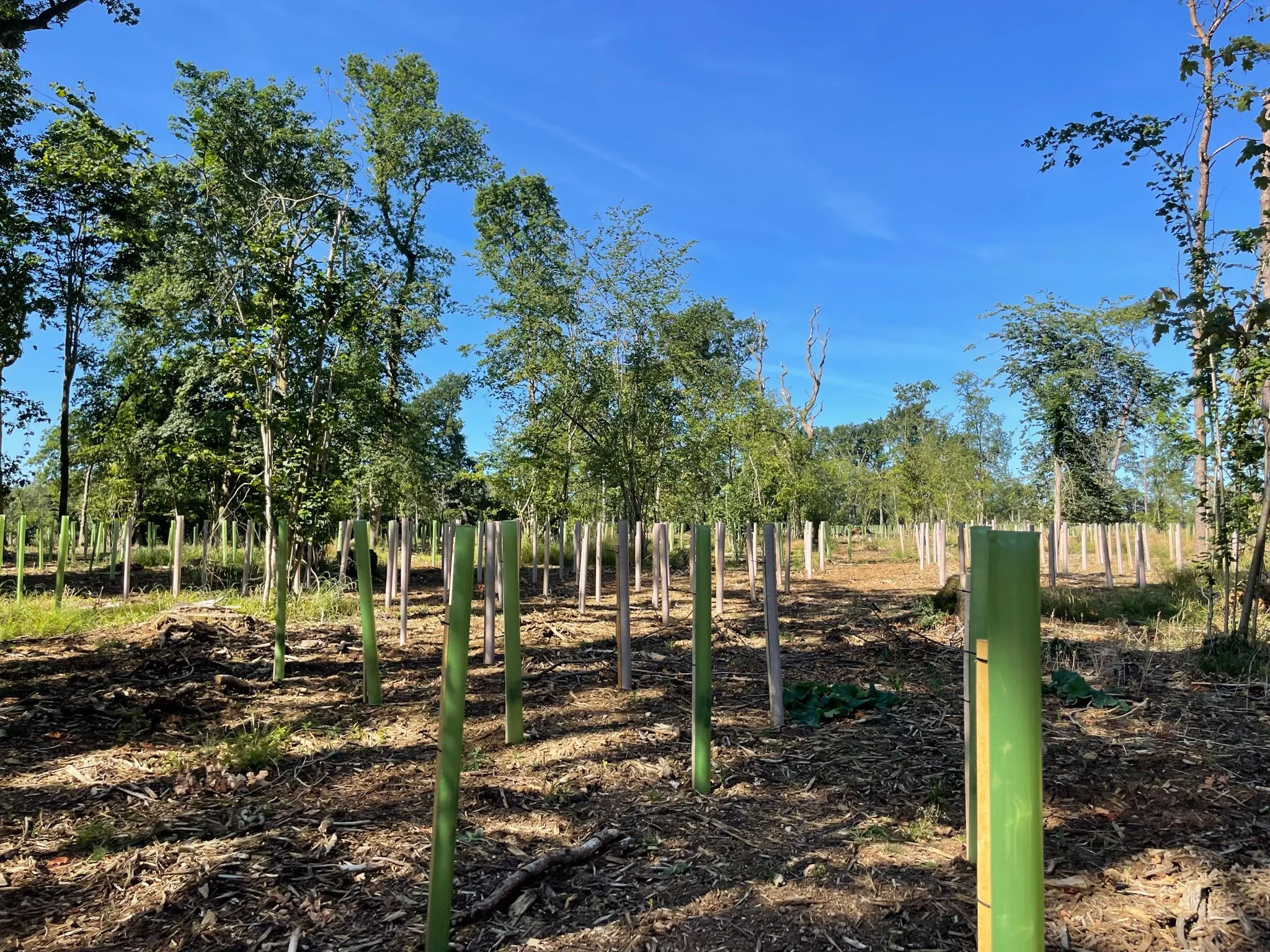
Rewilding in Europe has moved from a fringe idea to a continent-wide movement, with Germany, France and Portugal each restoring native woodland at scale. The approaches differ — from Germany’s abandoned military land to Portugal’s fire-scarred hills — but the establishment challenge is shared: young native trees have to survive browsing, drought and competition long enough to become self-sustaining. This guide looks at how three of Europe’s leading rewilding nations are restoring native woodland, and where tree protection fits into the picture.
Germany: returning native forest to former military and industrial land
Germany’s rewilding story is closely tied to land the state no longer needs. Decommissioned military training areas, former inner-German border strips and post-industrial sites have become some of the country’s most important spaces for natural woodland regeneration. The national goal of leaving a share of forest to develop without intervention — allowing beech, oak and hornbeam to return on their own terms — sits alongside active planting where seed sources are missing.
The pressure point in much of Germany is deer and, increasingly, a warming climate that stresses seedlings in their first summers. Where natural regeneration is patchy, land managers plant native broadleaves and protect them individually, giving each tree a microclimate and a barrier against browsing until the canopy can look after itself.
France: large-scale restoration and the free-process approach
France combines ambitious national tree-planting targets with a growing appetite for “free-process” rewilding, where nature is allowed to lead. Projects backed by Rewilding Europe and domestic conservation bodies span the Central Apennines-style mosaics of the Massif Central, wetland woodland along the great rivers, and Mediterranean oak restoration in the south.
French restoration increasingly blends woodland with grazing and farming — a natural fit for agroforestry systems where scattered native trees have to establish among livestock. In those settings, robust protection is not optional: a shelter has to withstand stock as well as deer, while still letting the tree breathe.
Portugal: rebuilding native woodland after fire
In Portugal, rewilding is inseparable from wildfire. Decades of rural abandonment and monoculture eucalyptus have left large areas vulnerable to catastrophic fire, and restoration here means re-establishing fire-resilient native species — cork oak, holm oak and native pine — that hold the soil and slow the flames. Landscape-scale initiatives in the Greater Côa Valley are knitting together corridors of recovering woodland across the north-east.
The Portuguese challenge is heat and drought. Newly planted oaks face baking summers with little rain, and the first two or three years decide whether they live. A shelter that shades the stem, cuts moisture loss and shields against roe deer and rabbits can be the difference between a failed planting and a functioning young wood.
What rewilding at scale means for tree protection
Across all three countries, the same tension runs through rewilding: you want nature to take over as quickly as possible, but the establishment phase still needs help. The protection you choose should do its job and then get out of the way. Standard plastic guards create a retrieval problem — thousands of shelters to collect across remote, often steep terrain, frequently left to fragment in the soil. That is the opposite of what a rewilding project is trying to achieve.
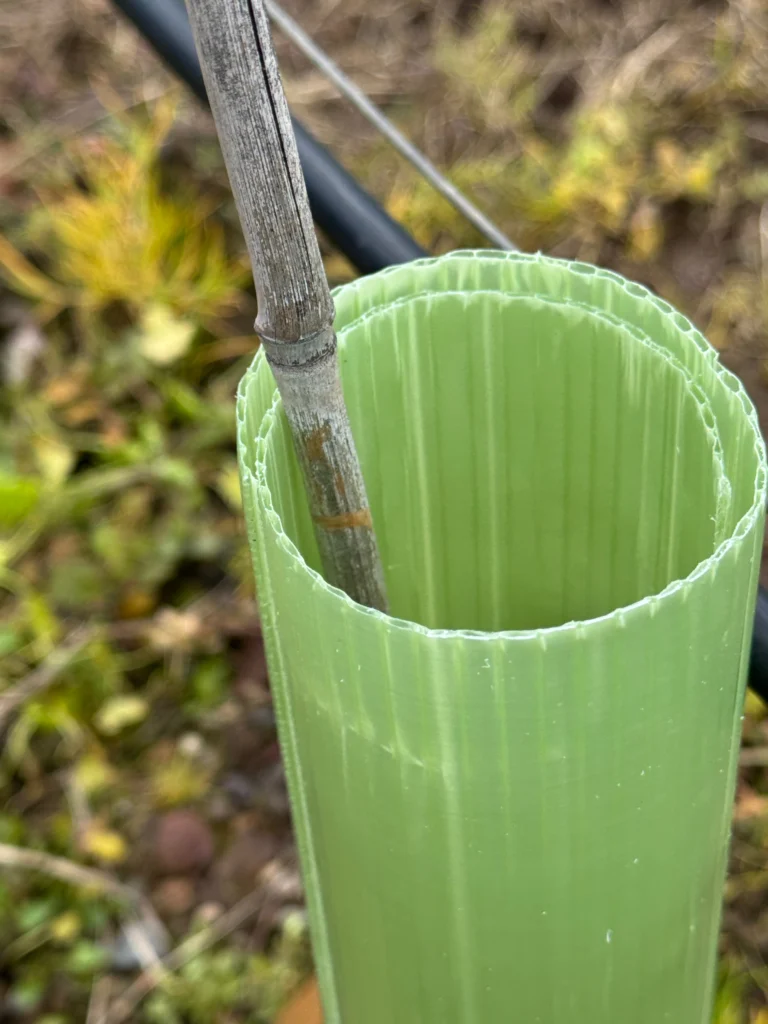
This is why soil-biodegradable protection suits rewilding so well. Vigilis Bio shelters protect the tree through establishment and then break down in place, leaving no plastic to collect or to litter a restored landscape. Where browsing pressure is high and airflow matters, mesh shelters give protection without trapping heat — useful in Portugal’s and southern France’s hotter sites. For a species-by-species view of matching protection to native trees, our rewilding application guide goes deeper.
Rewilding in Europe will only accelerate as the EU Nature Restoration Law drives national targets. Whether you are restoring beech in Germany, oak in France or cork oak in Portugal, the establishment principle holds: protect young trees with materials that work with the landscape, not against it. To specify protection for a native woodland project, talk to your local Vigilis distributor.