Forestry
Vigilis tree shelters help forestry and woodland creation schemes achieve reliable establishment rates, protecting young trees from deer, rabbits and hares through the critical early years.
Commercial forestry and woodland creation schemes depend on consistent tree establishment, and tree shelters are one of the most reliable tools available to foresters and land managers worldwide. Vigilis tree guards protect young whips and transplants from deer, rabbits and hares while creating a sheltered microclimate that accelerates early root and stem development. Our range covers standard, vented and fully biodegradable shelters, meeting the requirements of government-funded planting schemes across the UK, USA and Europe. For productive timber crops or native broadleaf mixes, Vigilis manufactures shelters to perform across the full range of commercial and public forestry environments.
Forestry Products
Browse the Vigilis range recommended for forestry projects — tree shelters, guards and accessories engineered for effective establishment and long-term browse protection.
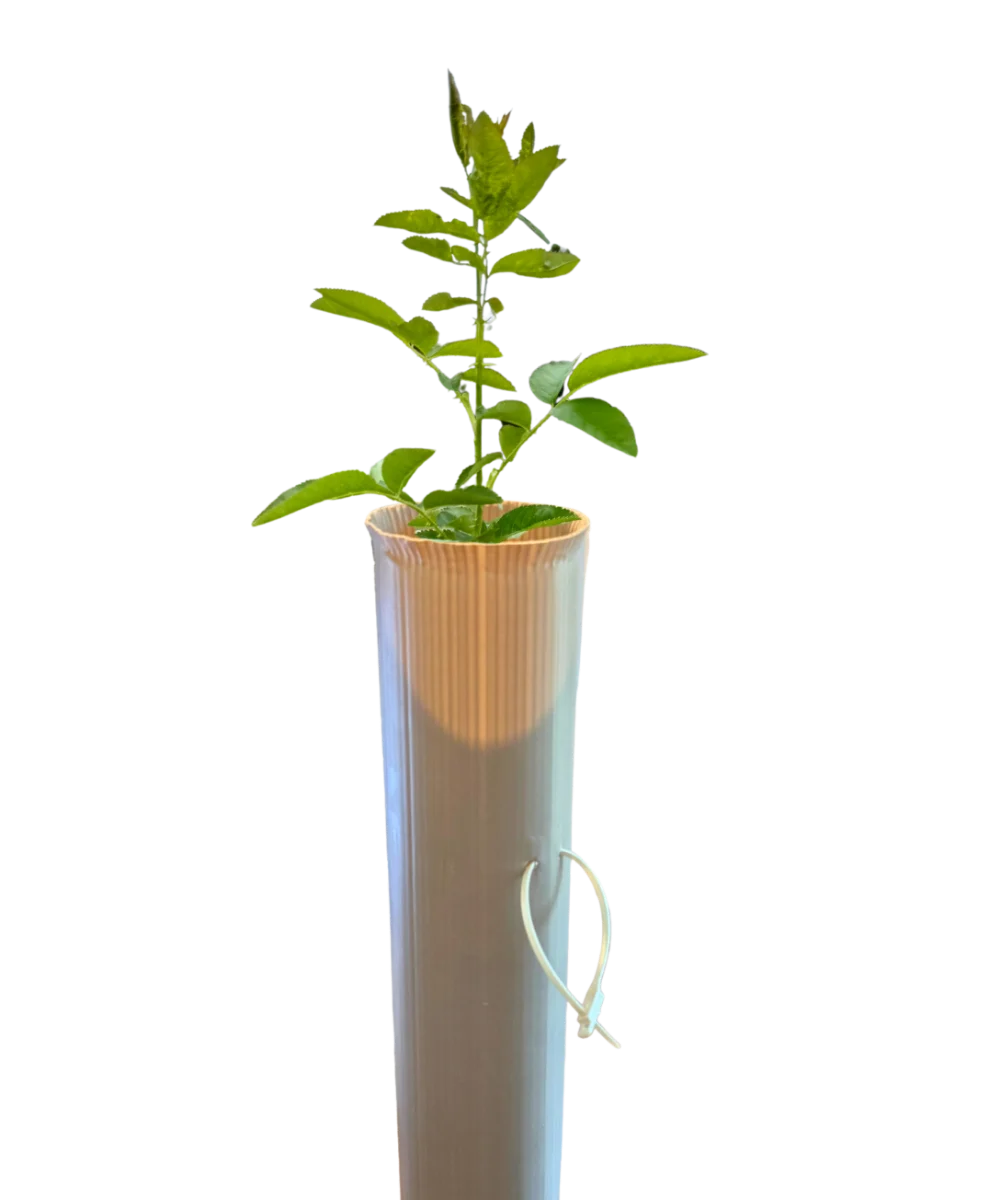
Vigilis Bio Tree Shelter
Soil Biodegradable
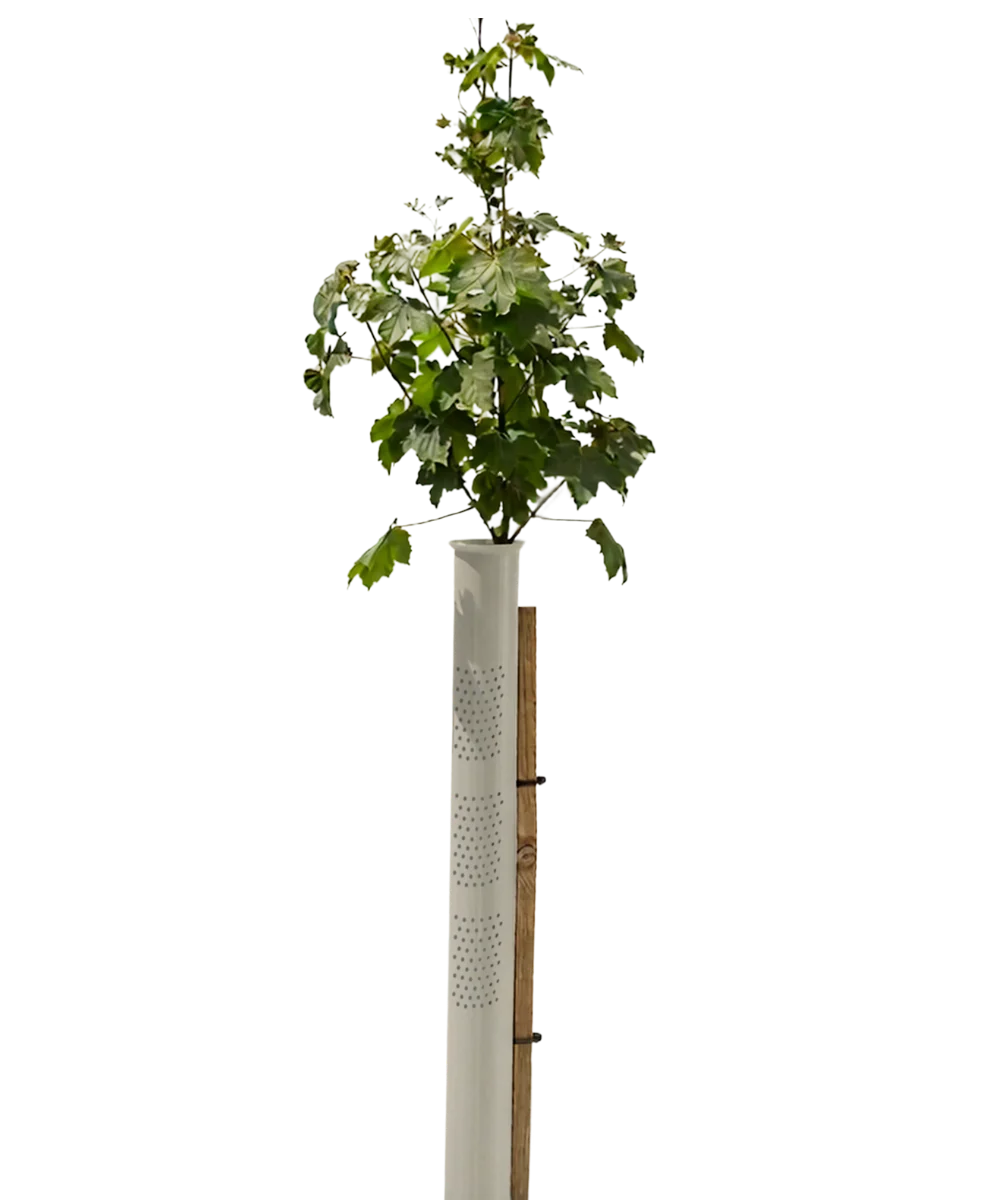
Vigilis Bio VentAir Tree Shelter
Ventilated Soil Biodegradable Protection
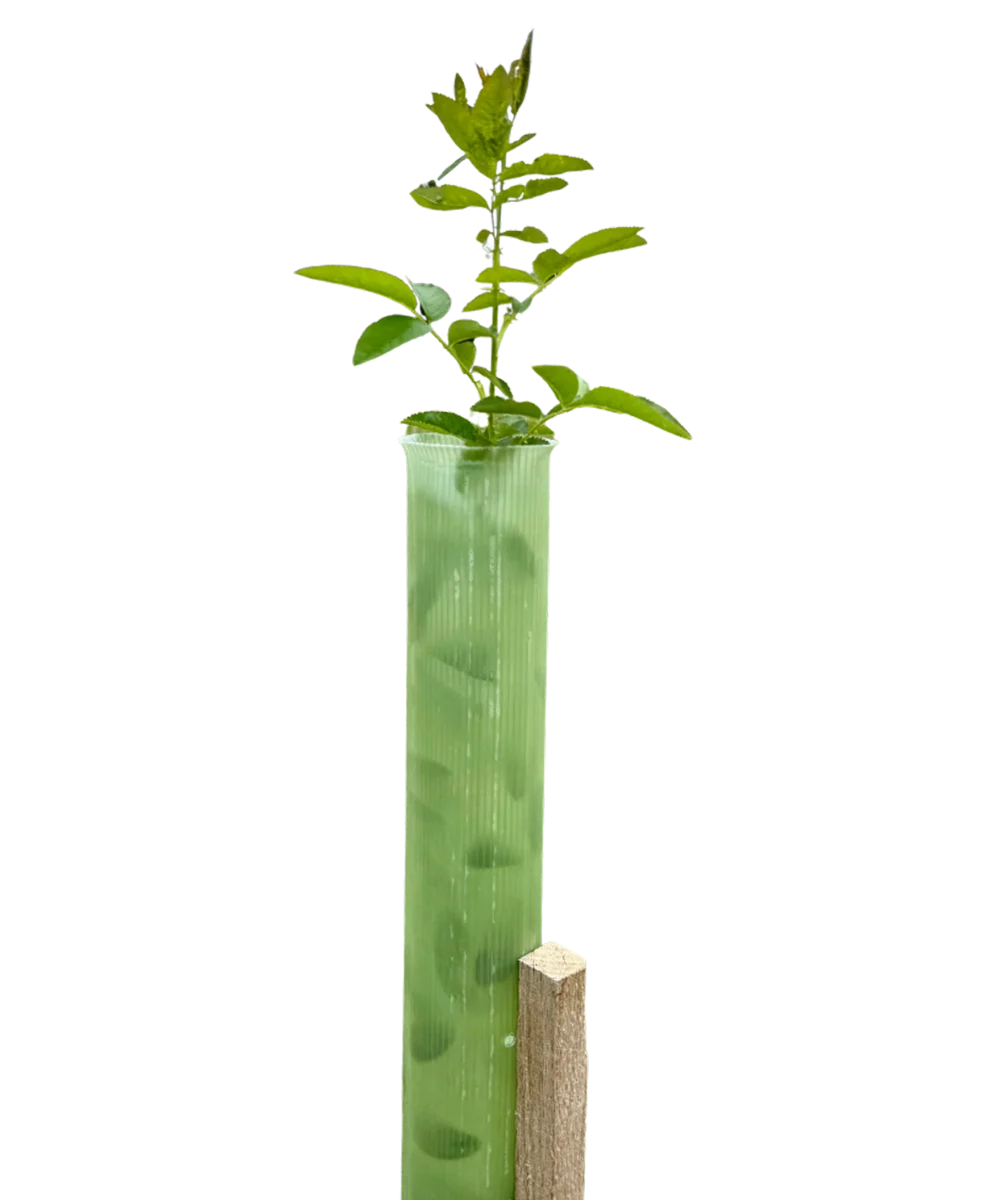
Vigilis Tree Shelter
Recyclable & Collectable
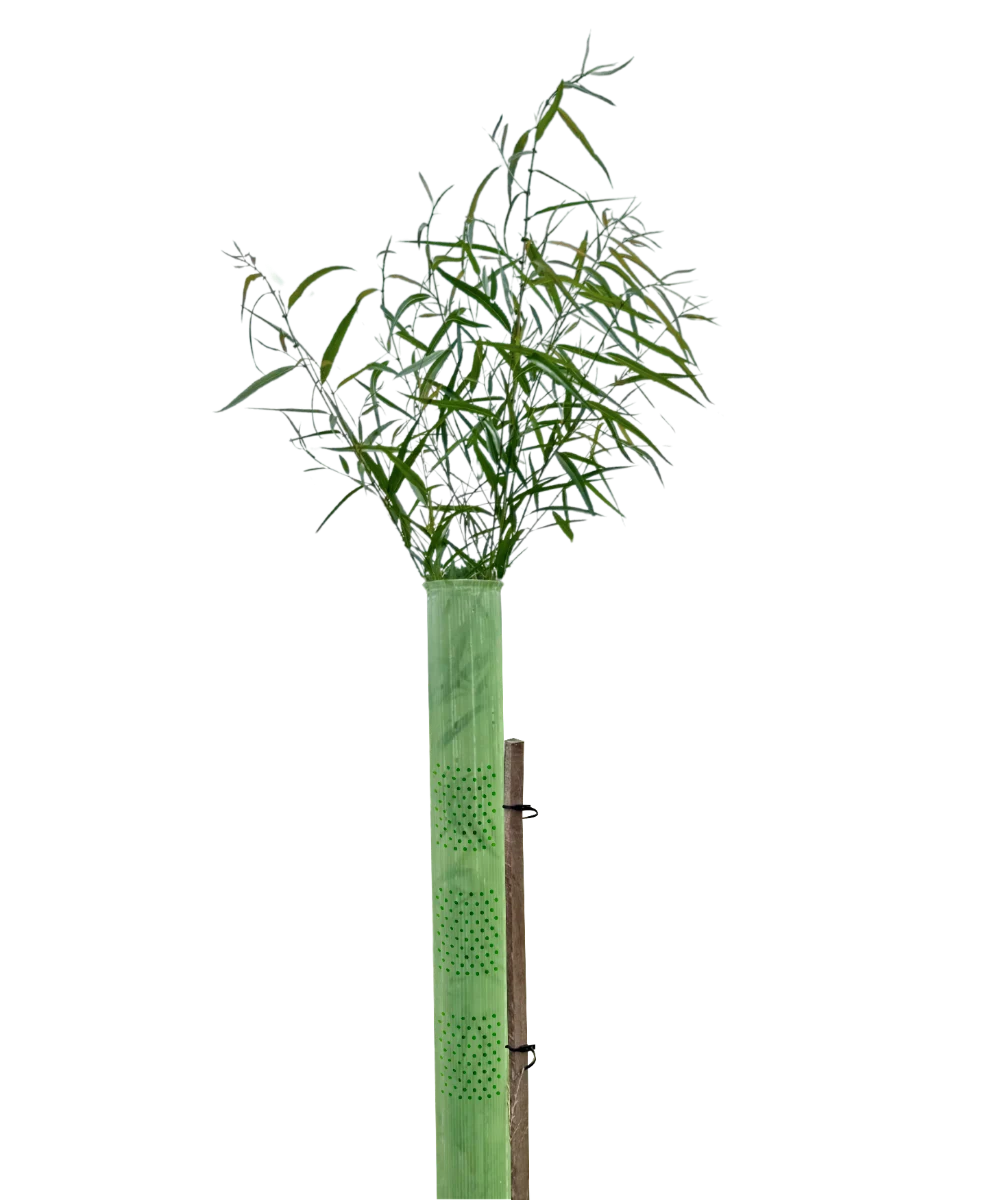
Vigilis VentAir Tree Shelter
Recyclable & Collectable
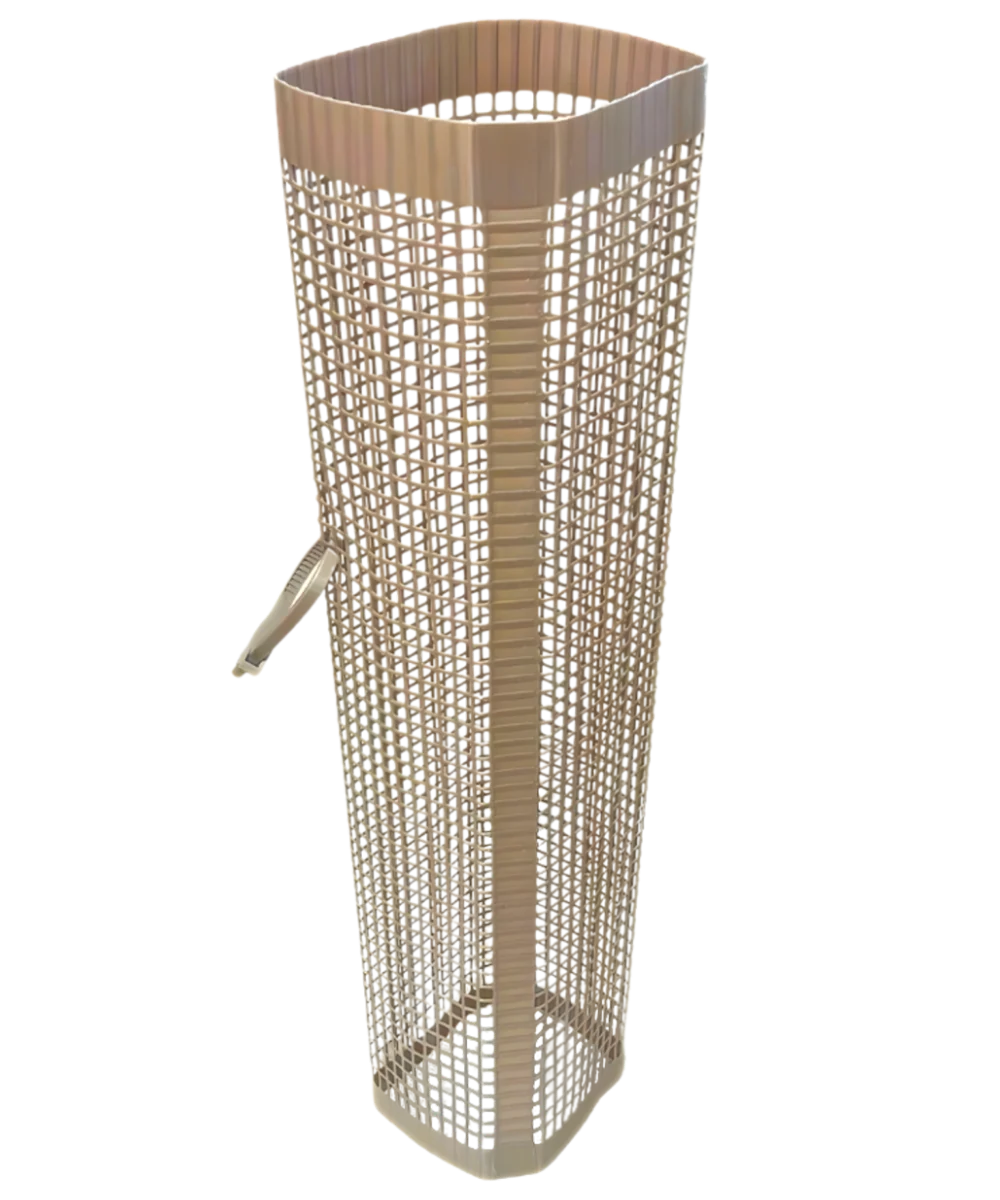
Vigilis Bio Mesh Guard
Soil Biodegradable
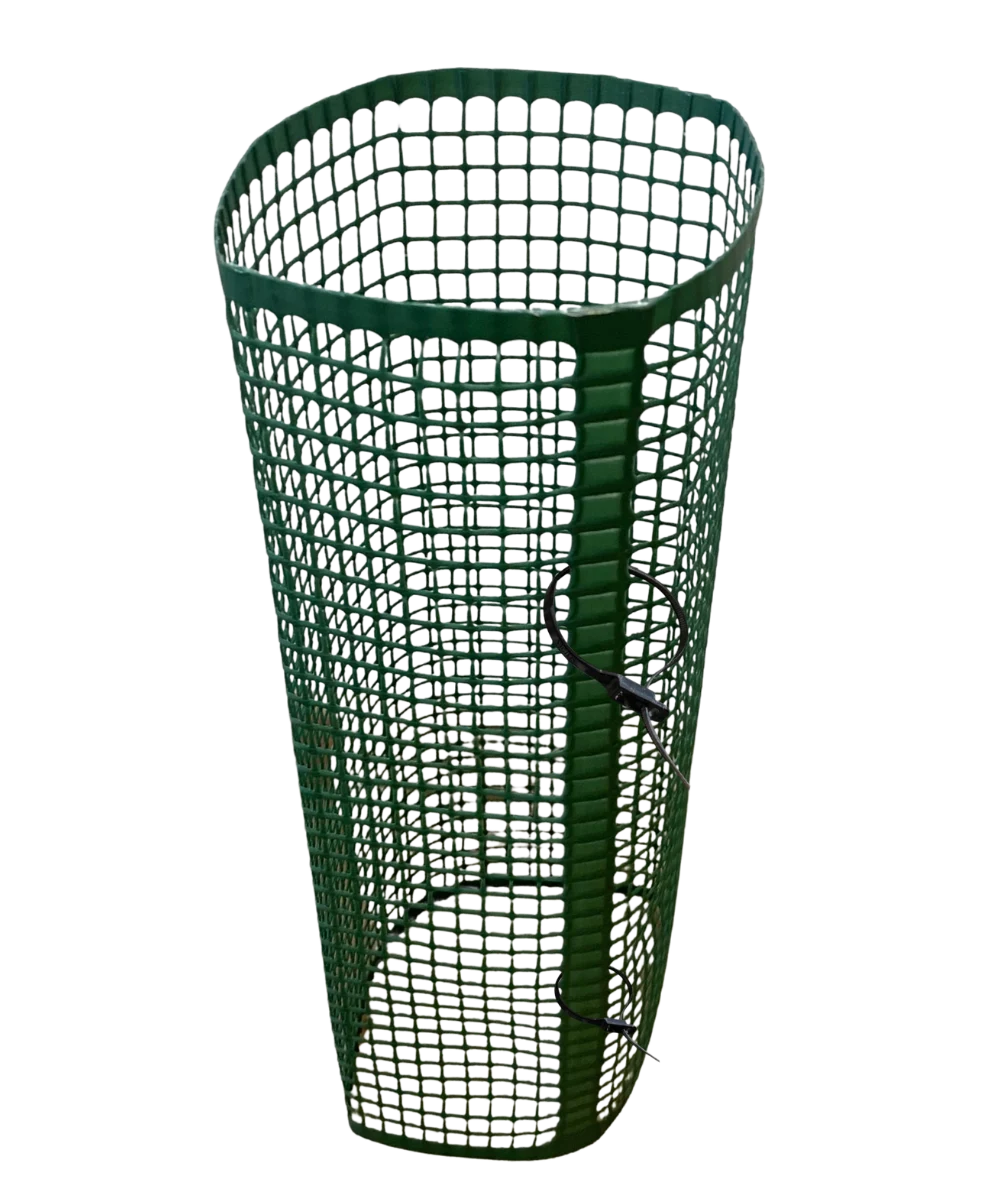
Vigilis Mesh Guard
Recyclable & Collectable
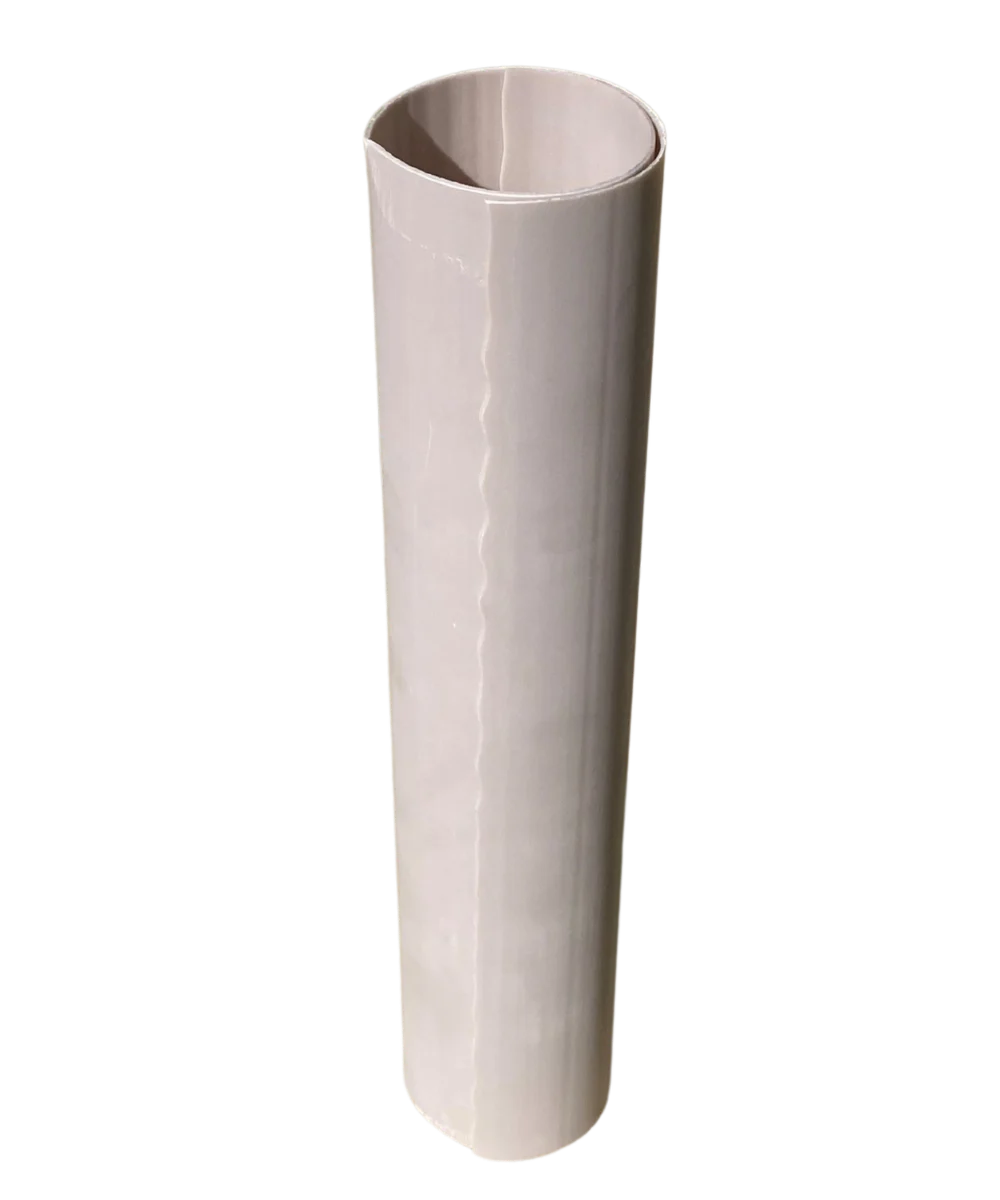
Vigilis Bio Voleguard
Soil Biodegradable
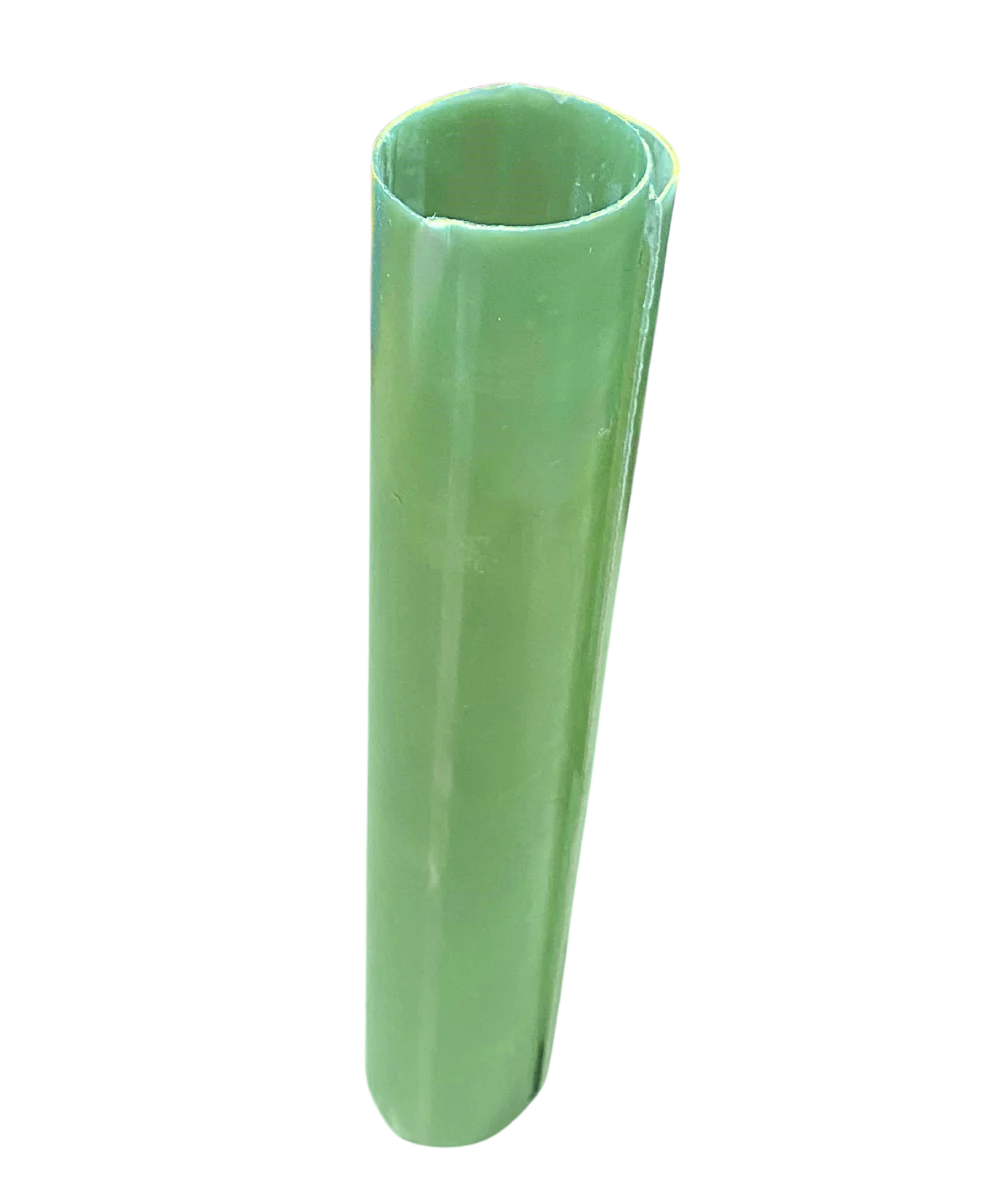
Vigilis Voleguard
Recyclable & Collectable
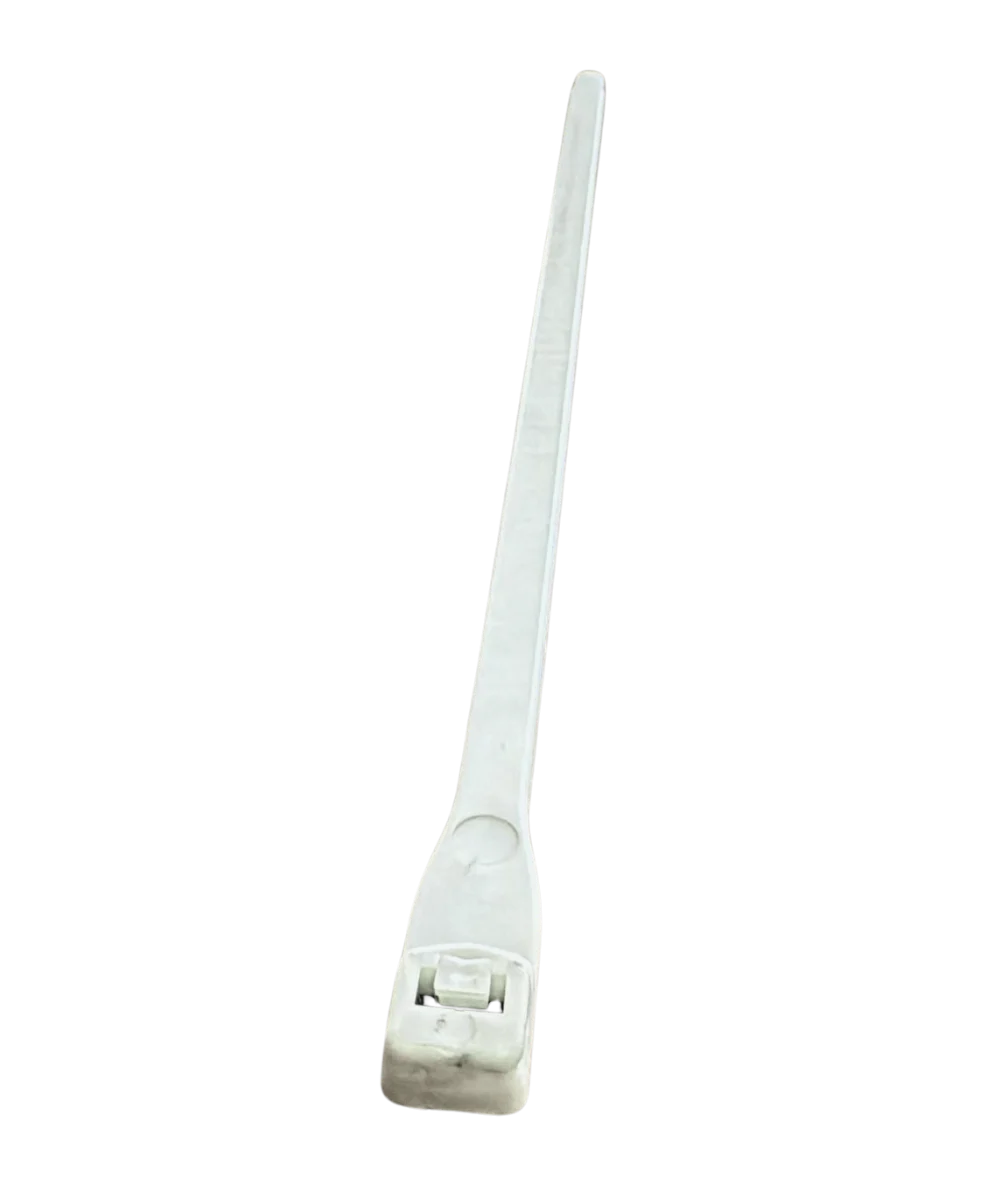
Vigilis BioTie
Biodegradable cable ties for tree guards and shelters
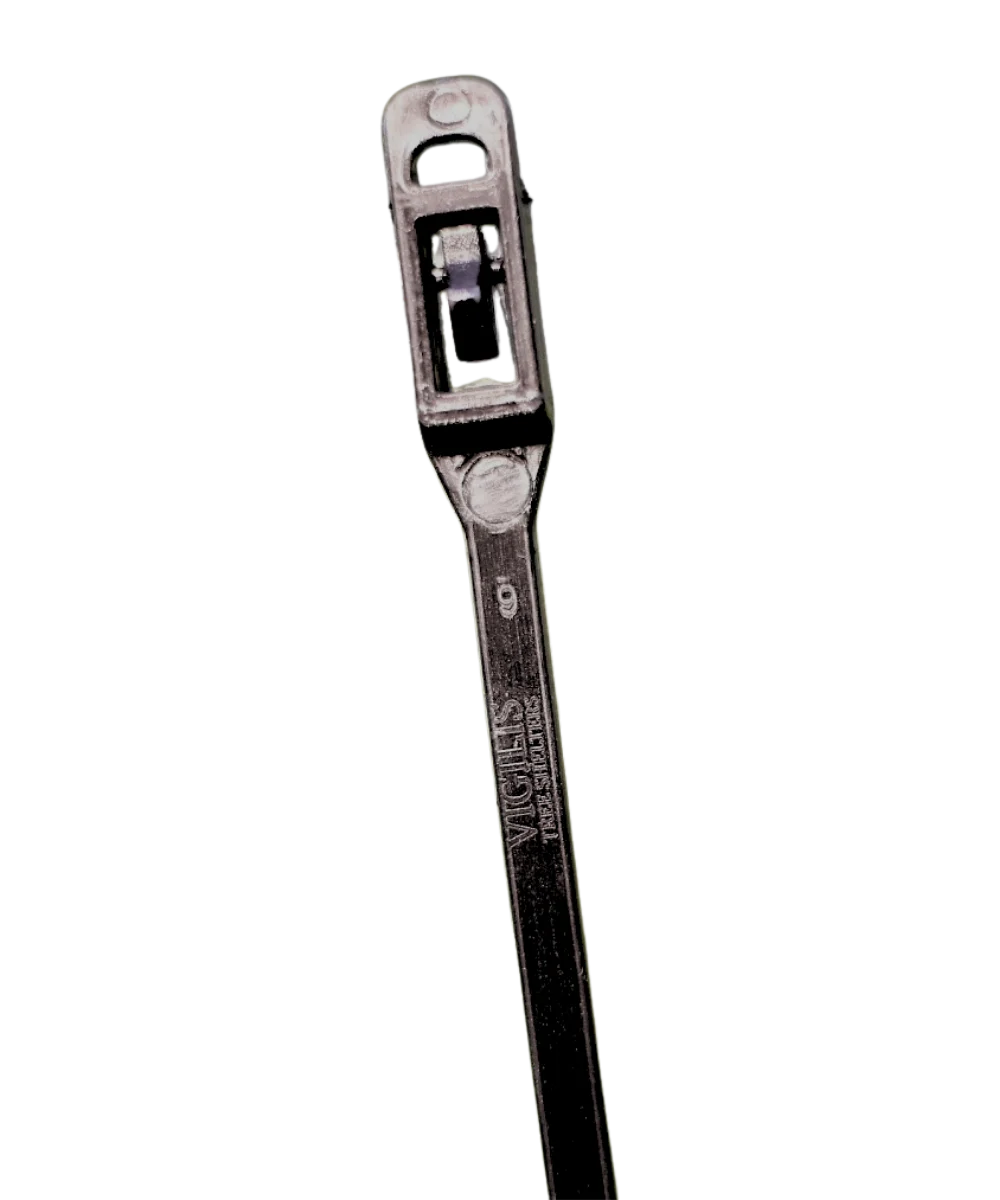
Vigilis Cable Ties
Releasable cable ties for tree guards and shelters
Frequently Asked Questions
What height tree shelter do I need for forestry planting?
Shelter height depends on the browsing pressure on your site. For rabbit-only sites, a 60cm guard is usually sufficient. Where roe deer are present, 1.2m is the standard minimum; fallow and red/sika deer (or white-tailed deer in North America) require 1.2–1.8m shelters. Our tree guards range covers heights from 60cm to 1.8m to match your specific threat level. For high-deer-pressure sites, mesh shelters offer additional airflow suitable for certain species. Forest Research provides detailed guidance on predation management for woodland establishment.
Are biodegradable tree shelters accepted under government funding schemes?
In the UK, biodegradable and non-plastic tree shelters are actively encouraged under the England Woodland Creation Offer (EWCO) and Countryside Stewardship. In the USA, USDA NRCS programs also support non-plastic options. Our Vigilis-Bio tree shelters are manufactured from plant-based biopolymers and biodegrade in soil, removing end-of-life collection costs on large-scale schemes. This eliminates the risk of old plastic guards scattering as they degrade. For UK scheme requirements, see the Forestry Commission guidance on plastics in woodland creation.
How long do tree shelters need to stay in place?
Most forestry trees need shelter protection for 3–5 years until they grow above the browse line. On productive sites with favourable soils, broadleaf species can establish above deer height within 4–5 years; on poorer or exposed sites, shelter may be needed longer. Standard polypropylene shelters should be removed and collected at end-of-life. Biodegradable shelters naturally break down over 3–5 years, significantly reducing post-establishment labour on large-scale schemes. See our full tree guards range for material specifications and expected service life per product type.
Can I use tree shelters on government-funded planting schemes?
Tree guards and shelters are standard capital items funded under many government woodland creation schemes. In the UK, these include Countryside Stewardship and EWCO grants; in the USA, USDA FSA and NRCS programs support tree planting capital items. We supply contractors and land agents working on publicly funded woodland schemes across multiple regions. Contact us for trade pricing and scheme-compliant product specifications. Always confirm accepted materials with your scheme administrator before ordering, as requirements vary by programme and territory.
What is the difference between a tree shelter and a tree guard for forestry use?
In forestry, a tree shelter is a solid or vented tube that fully encloses the tree, creating a warm microclimate that accelerates early shoot and root development alongside browsing protection. A tree guard is typically an open-mesh structure providing physical protection without the microclimate effect. Shelters suit most broadleaf whips where growth acceleration is valued; mesh guards are better for species sensitive to the warm, humid shelter environment. Browse our tree guards and mesh shelters for full specification comparisons.
How many tree shelters do I need per hectare for a woodland creation scheme?
Standard broadleaf woodland creation plants 1,100–3,300 trees per hectare depending on scheme specification and target stocking density. Each tree requires one shelter. A 10-hectare scheme will typically require 11,000–33,000 units. We offer volume pricing for large orders and can stage deliveries to match your planting schedule. Get in touch with your project area and scheme type and we will produce a quote and confirm lead times. Our team can advise on the right specification for your site and species mix.
Ready to get started?
Talk to our team
We'll help you choose the right product and connect you with your nearest distributor.